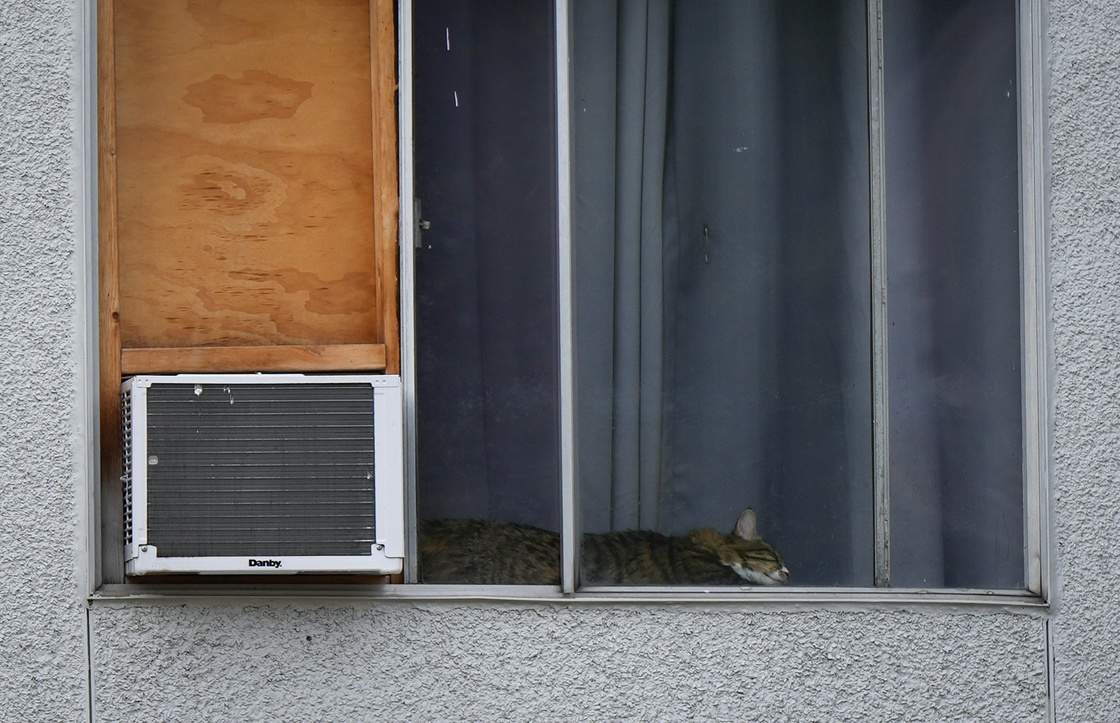
The statutory baseline for residential real estate in North America rests on a asymmetric premise: freezing is a violation of human habitability, but overheating is largely an administrative afterthought. As global temperatures break historical baselines, this regulatory asymmetry exposes residential real estate Portfolios and tenant populations to unprecedented operational risk. The traditional legal doctrine governing landlord-tenant relationships—the Implied Warranty of Habitability—was codified during an era when cold weather was the primary systemic threat to human survival. Consequently, statutory frameworks universally mandate the provision and maintenance of heating systems. Conversely, mechanical cooling is historically classified not as an essential utility, but as a discretionary amenity, akin to a pool or a storage locker.
This structural gap creates a critical points of failure for property managers and institutional investors. When an extreme heat wave hits a metropolitan market, the legal liabilities, operational expenditures, and tenant risk profiles do not scale linearly; they fracture along poorly understood jurisdictional lines and contractual vulnerabilities.
The Asymmetrical Legal Framework of Thermal Habitability
To evaluate the exposure of a rental property portfolio during a climate event, one must parse the three distinct legal layers that define a landlord’s thermal obligations: the statutory warranty of habitability, local municipal ordinances, and the explicit terms of the lease agreement.
[Statutory Baseline: Warranty of Habitability]
                 │
                 ▼
[Municipal Ordinances: Local Temperature Caps]
                 │
                 ▼
[Contractual Overlay: Lease Agreements & Maintenance]
1. The Implied Warranty of Habitability Baseline
Under common law and state or provincial statutes, landlords must maintain premises in a condition fit for human occupation. Historically, this meant structural integrity, vector control, plumbing, and functional heating. In jurisdictions like North Carolina, Ontario, and British Columbia, the overarching housing codes still do not explicitly mandate the installation of mechanical cooling infrastructure. The property must simply remain "fit for habitation." This creates an ambiguous legal environment during extreme heat waves. While a lack of heat in January is a per se violation of the law, a lack of air conditioning in July rarely triggers an automatic statutory breach unless the heat reaches levels that cause documented, acute health failures.
2. Municipal Ordinance Deviations
The primary breakdown of this baseline occurs at the municipal level, where localized climate realities have forced accelerated regulatory interventions. These ordinances convert vague standards of "fitness" into objective, measurable metrics.
- Fixed Temperature Caps: Jurisdictions such as Montgomery County, Maryland, impose strict performance thresholds, requiring multi-family rental units to maintain an internal temperature of no more than 80°F (26.7°C).
- Mechanical Capability Mandates: Cities like Dallas and Tempe dictate that if cooling systems are installed, they must structurally lower ambient indoor temperatures to specific thresholds (frequently 20°F below the outdoor temperature or to a maximum ceiling of 85°F).
- Asset Class Triggers: Oregon statutory law dictates that all newly constructed residential rental units must feature built-in cooling systems statewide, fundamentally altering the capital expenditure models for regional developers.
3. The Contractual Maintenance Obligation
Even where statutory and municipal laws are silent on the provision of air conditioning, the lease agreement often introduces strict liability through the backdoor. If an asset is marketed with functional air conditioning, or if the amenity is explicitly included in the lease text, it ceases to be a luxury. The landlord’s failure to maintain that pre-existing infrastructure constitutes a breach of contract.
In jurisdictions like California and New York, while a landlord has no upfront obligation to install an HVAC system, they have a rigid, time-sensitive obligation to repair an existing one. If a tenant moves into a unit featuring a window unit or central air, that system is locked into the baseline standard of the asset for the duration of the tenancy.
The Mechanical and Operational Cost Function
When extreme temperatures hit, landlords face a compounding operational challenge: the intersection of peak thermal load, utility constraints, and supply-chain bottlenecks. The financial and legal risks are governed by a predictable chain of cause and effect.
The Vendor Bottleneck
During a regional heat dome, HVAC failures spike simultaneously across a market. This surge in demand creates an immediate shortage of certified technicians and replacement parts. Under standard legal definitions, a landlord must act within a "reasonable" window to execute critical repairs—typically 2 to 5 business days for essential services in states like Arizona.
However, if a contractor is backlogged by 10 days due to market-wide component failures, the landlord enters a zone of legal vulnerability. While courts occasionally accept "Acts of God" or systemic market shortages as valid defenses against claims of negligence, the property owner remains exposed to administrative fines, tenant rent-withholding, or constructive eviction lawsuits if temporary mitigation steps are not deployed.
The Tenant Intervention Risk
Recent updates to tenancy laws, particularly across Canadian provinces, grant tenants the explicit right to install their own window or portable air conditioning units, overriding historical landlord prohibitions. However, this shift introduces secondary operational liabilities for the asset owner:
- Electrical Infrastructure Strain: Older multi-family assets are rarely engineered to handle the simultaneous amperage draw of dozens of tenant-installed window units. A building designed for a baseline 60-amp or 100-amp service per unit can experience localized grid failures, blown transformers, or electrical fires when occupants run non-regulated cooling units concurrently.
- Structural and Water Damage: Improperly pitched window units drain condensation directly into the building's envelope, rotting wooden sills, degrading exterior masonry, and causing hidden mold growth within the drywall assembly.
- Utility Cost Distribution: If the lease specifies that the landlord covers electricity costs, a tenant-installed AC unit shifts the variable energy burden entirely onto the owner. Newer regulations permit landlords to implement proportional rent surcharges for units utilizing tenant-installed cooling systems, but executing these increases requires rigorous documentation of energy consumption differentials and strict adherence to localized notice periods.
Strategic Mitigation Framework for Asset Managers
To insulate a residential real estate portfolio from the legal and physical volatility of extreme heat, asset managers cannot rely on reactive maintenance. They must implement a structured risk-mitigation framework.
                  ┌─────────────────────────────────────┐
                  │ 1. Structural Auditing              │
                  │    - Electrical Amperage Capacities │
                  │    - Envelope Thermal Efficiency    │
                  └──────────────────┬──────────────────┘
                                     │
                                     ▼
                  ┌─────────────────────────────────────┐
                  │ 2. Contractual Adjustments          │
                  │    - Explicit Maintenance Windows   │
                  │    - Utility Apportionment Clauses  │
                  └──────────────────┬──────────────────┘
                                     │
                                     ▼
                  ┌─────────────────────────────────────┐
                  │ 3. Operational Deployment           │
                  │    - Pre-staged Portable Assets     │
                  │    - Pre-negotiated Vendor SLAs    │
                  └─────────────────────────────────────┘
Phase 1: Structural Auditing
Property managers must audit older multi-family assets to determine the precise electrical headroom of the property. Knowing the exact maximum amperage capacity prevents catastrophic building-wide outages. Simultaneously, properties should be evaluated for passive cooling efficiencies, such as the installation of reflective roof coatings (cool roofs) and low-emissivity window films, which reduce the total sensible heat gain of the structure and lower the mechanical burden on existing HVAC loops.
Phase 2: Contractual Precision
Lease agreements must explicitly delineate the boundaries of the cooling infrastructure. If air conditioning is provided as an amenity rather than an essential service, the text should define the anticipated repair timelines and outline the tenant's responsibilities regarding filter replacement and clear drainage paths. If tenants are permitted to install personal units, the lease must mandate specific structural brackets, safety inspections, and clear guidelines on who absorbs the variable utility cost.
Phase 3: Operational Deployment
Forward-thinking operations require the pre-staging of emergency mitigation assets. Rather than relying on third-party HVAC technicians during a peak thermal crisis, institutional landlords should maintain an on-site inventory of commercial-grade portable evaporative coolers or dual-hose spot air conditioners. Deploying a temporary cooling unit into an impacted apartment within four hours of a recorded failure instantly mitigates the legal claim that the unit is "uninhabitable," protecting the revenue stream and neutralizing liability while commercial HVAC technicians are sourced.
The long-term trajectory of residential real estate valuation will increasingly decouple based on thermal resilience. Portfolios that treat mechanical cooling as an unexpected operational crisis will face escalating litigation, punitive municipal fines, and deteriorating tenant retention rates. Capitalizing on energy-efficient heat pumps, upgrading core electrical distribution systems, and establishing ironclad, legally compliant tenant installation policies represents the only viable path to protecting net operating income against shifting climate baselines.
The HVAC Thermal Failure Challenge provides a broader baseline breakdown of how sudden thermal events expose residential property managers to acute operational liability and unexpected structural repair backlogs during peak seasonal demand.