We step onto thrill rides expecting a rush, not a tragedy. Yet every few years, a catastrophic failure at a major amusement park shatters our sense of security. When a visitor is tragically thrown from a roller coaster, the immediate aftermath always follows a predictable script. Park operators scramble to close affected attractions, public relations teams issue statements expressing profound grief, and regulators launch investigations. But the underlying questions remain painful and urgent. Why do these accidents happen, and what changes when the spotlight fades?
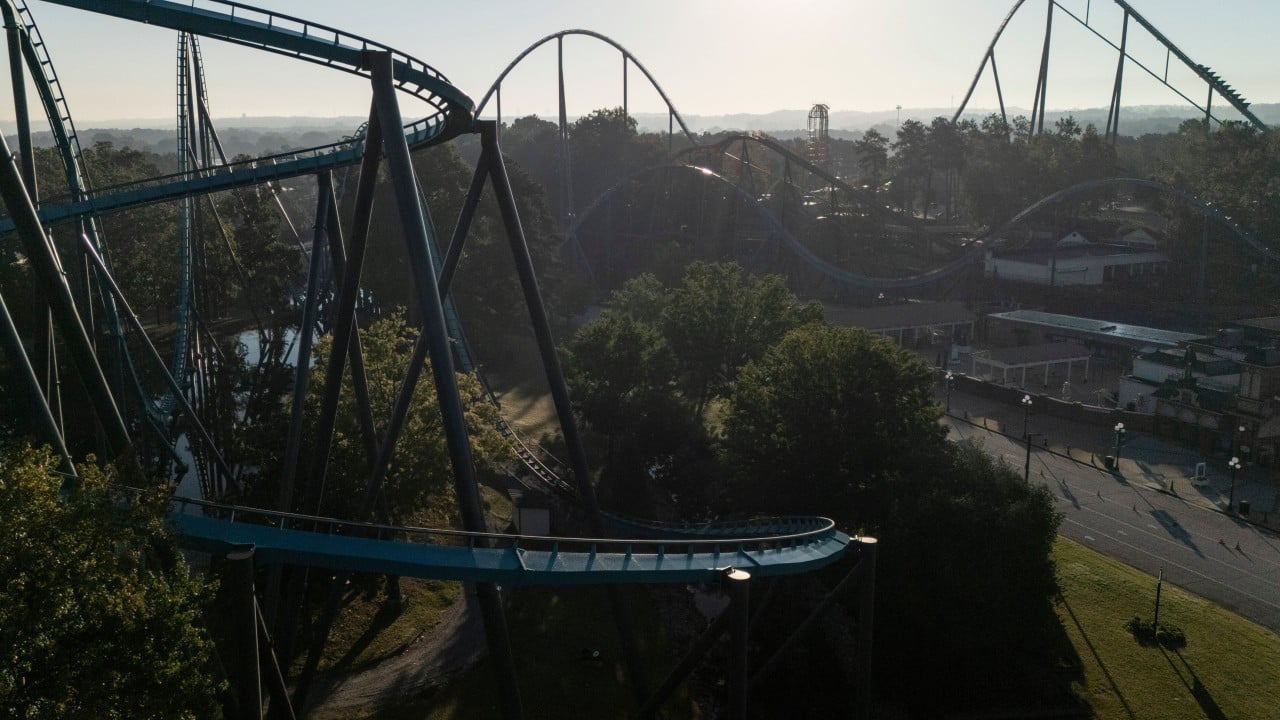
The incident involving the fatal ejection from a roller coaster at a Six Flags park serves as a stark reminder of the vulnerabilities inherent in high-speed entertainment engineering. Theme parks operate on massive scales, moving thousands of riders an hour through complex gravitational forces. When something goes wrong, the mechanical and human errors involved expose deep fractures in how the industry self-regulates and protects everyday visitors. Meanwhile, you can find similar events here: Why the New Rebel Movement in DR Congo Is a Rebrand Not a Revolution.
The Anatomy of a Roller Coaster Tragedy
Understanding how an accident like this occurs requires looking closely at how restraints and safety systems actually function under extreme conditions. Modern roller coasters rely on multi-layered security measures. These usually include physical lap bars, over-the-shoulder harnesses, and computerized sensors that prevent a train from leaving the station unless every seat is locked down securely.
However, physics and human biology sometimes clash in unexpected ways. If a rider's body shape, height, or weight falls outside standard design assumptions, traditional safety equipment can fail to engage properly. When a train hits high-speed turns, negative G-forces lift passengers out of their seats. If the restraint system lacks a secondary locking mechanism or proper sizing adjustments, the margin for error shrinks to zero. To understand the complete picture, we recommend the excellent report by The Washington Post.
Investigators looking into fatal ejections frequently examine maintenance logs, sensor calibration, and restraint locking pins. In many historical cases, mechanical failure is only part of the story. Operator training and loading protocols often play a critical role. If a ride attendant misses a loose restraint during a rushed dispatch cycle, the consequences can be fatal before the train even crests the first drop.
How Amusement Parks Respond to Crisis
When a fatal accident makes national headlines, park management faces intense scrutiny. The typical playbook involves immediate shutdowns of identical or similar rides across multiple properties as a precautionary measure. For instance, following severe incidents, operators have indefinitely closed specific drop towers and hypercoasters while independent engineering firms conduct rigorous audits.
These shutdowns are necessary, but they often feel reactive rather than proactive. Critics and safety advocates argue that the industry prefers damage control over transparent systemic overhauls. Independent inspections are vital because internal maintenance teams may overlook subtle structural fatigue or design flaws due to operational pressure.
Beyond the physical ride closures, parks must also deal with the psychological fallout. Public trust erodes quickly when visitors realize that regulatory oversight varies wildly from state to state. While some regions have aggressive, mandatory state inspections for every amusement ride, others rely heavily on self-certification by the parks themselves. This regulatory patchwork creates dangerous blind spots.
The Push for Federal and State Oversight
Unlike commercial aviation or public transit, theme parks lack a unified federal safety oversight body in many countries. The U.S. Consumer Product Safety Commission (CPSC) historically faced jurisdiction loopholes regarding fixed-site amusement parks, leaving regulation up to a patchwork of state and local agencies.
This fragmented approach means safety standards fluctuate dramatically depending on where you buy your ticket. Some states mandate daily independent safety checks, while others require only an annual review by an insurance inspector. That inconsistency is unacceptable when multi-ton steel structures are hurtling humans at sixty miles per hour.
Advocates have spent decades pushing for stricter federal guidelines to standardize ride maintenance, incident reporting, and mandatory employee training. Without uniform standards, parks can operate with vastly different safety cultures. A ride that might fail inspection in a strictly regulated state could potentially pass or go unchecked elsewhere.
What Riders Can Do to Stay Safe
You aren't entirely powerless when you walk through those turnstiles. While you have to trust the engineers and operators, practical awareness helps minimize unnecessary risks.
First, pay attention to physical restriction warnings. Amusement park ride manufacturers design restraints for specific body dimensions. If a restraint does not click securely or feel tight during the safety check, speak up immediately. Do not hesitate to alert the ride operator and ask to exit the ride.
Second, follow all posted instructions regarding loose articles, posture, and seating requirements. Reaching into your pocket for a phone during a ride can shift your center of gravity or interfere with a restraint mechanism.
Finally, choose your destinations wisely. Research a park's safety record and check whether the state mandates independent government inspections. Transparency from a park operator is a strong indicator of a healthy safety culture.
Theme parks will always push the envelope to deliver bigger thrills and faster drops. But the pursuit of excitement should never compromise fundamental human safety. Until the industry adopts uncompromising, uniform standards and absolute transparency, tragic reminders of our vulnerability will keep surfacing.