A federal judge stepping in to halt border barrier construction across the rugged terrain of West Texas changes everything for landowners, environmentalists, and federal agencies. When heavy machinery starts carving up fragile desert ecosystems in remote regions, the legal battles that follow are rarely simple. You are looking at a high-stakes clash involving property rights, rare wildlife habitats, and executive power.
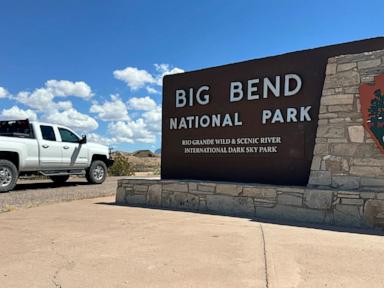
Big Bend isn't just another stretch of the southern border. It's a vast, remote landscape of towering canyons, rich biodiversity, and deeply rooted communities that rarely see this level of federal or state infrastructure push. When plans emerged to fast-track physical barriers through this specific region, local opposition didn't just whisper—they organized. And now, the courts have pumped the brakes.
Why Big Bend Changes the Border Infrastructure Debate
Most people picture the border as flat, dusty urban sectors near El Paso or San Diego. Big Bend shatters that mental image completely. The terrain here is vertical, dramatic, and unforgiving. Building a concrete and steel wall across steep limestone cliffs and shifting riverbeds presents massive engineering hurdles.
Beyond the sheer physical difficulty, the ecological stakes are entirely different. This region supports endangered species like the Big Bend mosquitofish and various migratory wildlife that depend on the unobstructed flow of the Rio Grande watershed. Putting up permanent physical barriers cuts off critical migration corridors.
Local ranchers and conservationists have argued for years that standard federal enforcement models ignore the unique geography of West Texas. When lawsuits start piling up, judges are forced to weigh expedited federal waivers against bedrock environmental protection laws. That tension is precisely what triggered the recent injunction stopping construction in its tracks.
The Legal Mechanics Behind the Halt
Federal judges don't issue temporary restraining orders or preliminary injunctions lightly. To secure a pause on massive construction projects, plaintiffs typically have to demonstrate immediate, irreparable harm. In this case, legal teams representing environmental groups and affected landowners pointed to irreversible habitat destruction and potential violations of federal statutes designed to protect public lands.
Waivers under the Real ID Act have historically allowed administrations to bypass environmental reviews to speed up barrier construction. Yet, pushing those waivers past their legal breaking point in areas with intense local scrutiny invites serious judicial pushback.
- Property rights: Landowners fear eminent domain seizures and restricted access to historic water sources.
- Environmental statutes: The National Environmental Policy Act and the Endangered Species Act form the core of the legal challenges.
- Procedural shortcuts: Courts are increasingly skeptical when federal agencies attempt to bypass standard public comment periods.
This temporary stop sign proves that executive overreach doesn't always go unchecked, even when national security is invoked as the primary justification.
What Happens When the Heavy Machinery Stops
Halting construction doesn't mean the fight is over. It basically hits the pause button on a multi-million dollar logistical operation. Contractors are forced to pull back equipment, security patrols adjust their tactics, and legal teams gear up for prolonged courtroom battles that could drag on for months or even years.
If you own land near the river, this ruling offers a temporary sigh of relief, but uncertainty remains the only constant. The Department of Homeland Security will undoubtedly appeal, arguing that operational continuity is vital for border management. On the other side, environmental attorneys are using this window to build a permanent case for landscape preservation.
Keep an eye on how higher appellate courts treat these injunctions. The outcome here will set a massive precedent for how infrastructure projects unfold across ecologically sensitive federal and private lands throughout the American Southwest.
Review local court filings directly through federal district court dockets if you want to track the exact motions and scheduling orders as this litigation moves forward. Support local conservation groups working on the ground in West Texas if you want to back direct legal advocacy efforts.