The metal tube hurts down the East Coast Main Line at one hundred and twenty-five miles per hour. Inside, it smells of cheap coffee, damp coats, and the low, comforting hum of collective indifference. Passengers stare into screens, lose themselves in podcasts, or watch the flat Cambridgeshire fields blur into a grey smear through the double-glazing. A train carriage is a unique kind of social contract. It is a shared, high-speed capsule where we agree to sit inches from strangers, trusting implicitly that everyone will behave.
Then, the contract tears.
It happened in Coach J. It was Saturday night, November 1, 2025. The London North Eastern Railway service had just pulled away from Peterborough, filled with weekend travelers, football fans, and people just trying to get home. Within minutes, the mundane sanctuary of the fourth carriage transformed into a claustrophobic nightmare of blood and metal.
A man armed with a knife began attacking people indiscriminately. There is no space to run on a train. The aisles are narrow. The doors between carriages are heavy. In the panic that followed, the space dissolved into a chaotic scramble for survival. Witnesses later described seeing people fleeing down the aisles, slick with blood, while others barricaded themselves inside the buffet car two coaches back, holding the door shut against a nightmare.
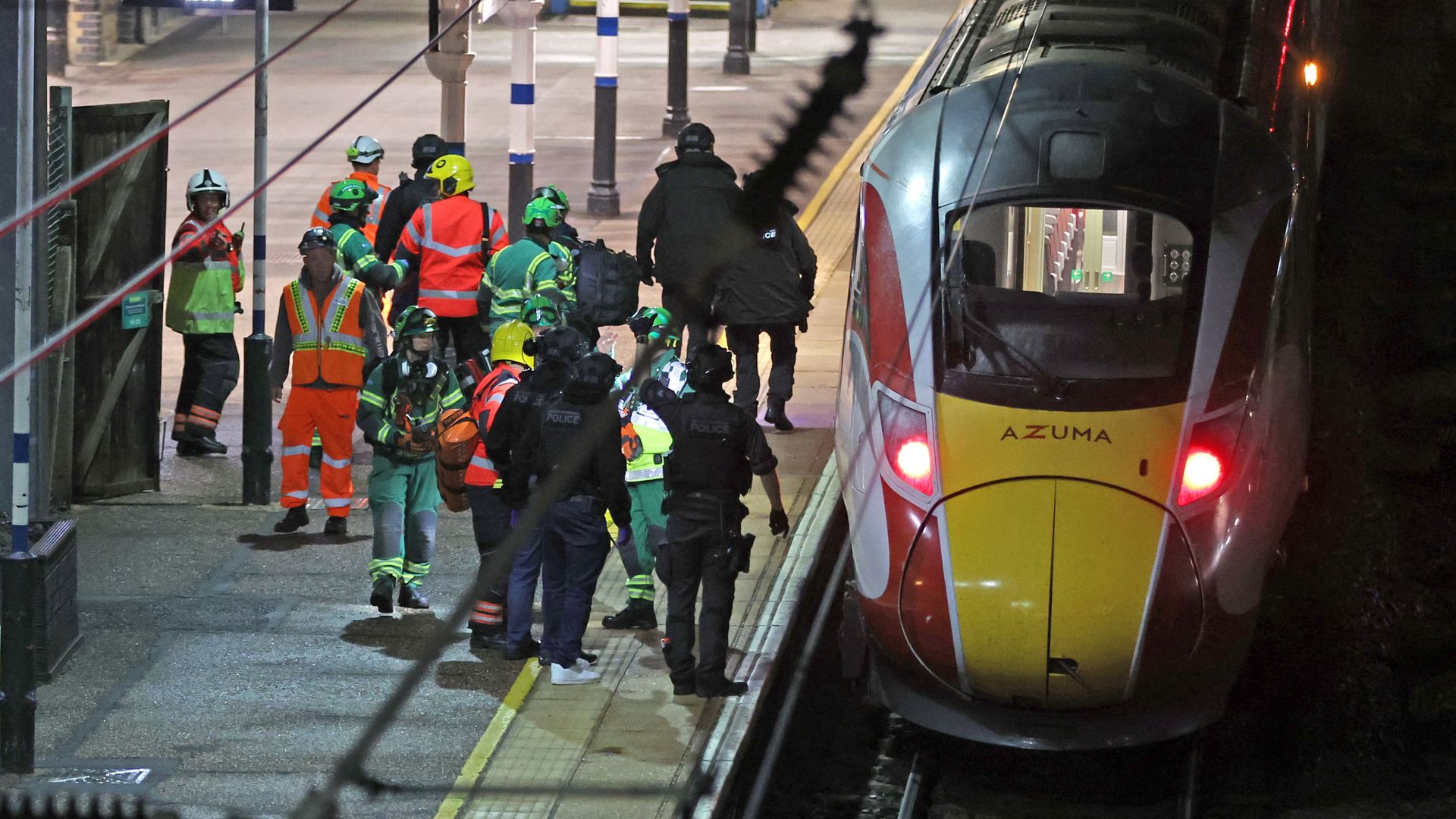
An emergency alarm was pulled. The brakes gripped. The train groaned to an unscheduled, terrifying halt at Huntingdon station, where police officers swarmed the platform, tasered a suspect, and began the grim work of triage.
Eleven people were injured. Nine of them initially hung between life and death with injuries described as critical. Among them was an LNER rail worker, a man later hailed as a hero for stepping directly into the path of the blade to protect his passengers.
On July 9, 2026, the legal aftermath of that night reached a clinical, quiet milestone at Cambridge Crown Court.
Anthony Williams, a 33-year-old man of no fixed abode, stood before a judge via a video link or in person, a stark contrast to December when he flatly refused to leave his cell to face the cameras. The indictment leveled against him is staggering in its breath: twenty-one counts in total, weaving together a violent, multi-city timeline that police allege culminated in the terror of Coach J.
The charges include ten counts of attempted murder specifically tied to the mass stabbing on the train. He is also accused of attempting to murder a 14-year-old boy and a 22-year-old man in Peterborough the day before the attack, stealing a pack of knives from an Asda in Stevenage, and committing another knife assault at Pontoon Dock DLR station in London.
When the charges were read out, Williams said two words, repeated over and over into the courtroom air.
Not guilty.
To read the standard press releases, the event is reduced to a series of dates, locations, and statutory legal terms. But the dry language of a plea hearing completely detaches itself from the human reality of what those numbers mean. A plea of "not guilty" means that a trial must now take place, delayed until October 2026 to allow for further reports. For the survivors, it means the horror of that night cannot yet be shelved. It remains active, parsed through defense strategies and forensic analysis.
Consider what happens next to the human mind after an event like this. The physical wounds heal; the five passengers discharged the day after the attack carried their stitched skin back into the world. But the psychological geography of their lives has been permanently altered. How do you board a train again? How do you sit in a middle seat, trapped between a window and a stranger, without looking at their pockets, watching their hands, listening for the sound of unzipping nylon?
The political apparatus responded in the way it always does. There were calls for airport-style scanners at railway stations, demands for increased stop-and-search powers, and counter-proposals for nationwide facial recognition technology. We try to build digital fortresses to cure a deeply human malice. But scanners cannot be placed at every rural platform, and technology cannot predict the moment a man decides to open a package of stolen blades on a high-speed transit line.
The truth of the Huntingdon train stabbing is not found in the policy debates or the sterile courtroom updates. It is found in the ordinary, terrifying vulnerability of our everyday lives. We move through the world assuming we are safe, wrapped in the thin armor of social norms.
The trial in autumn will lay out the evidence, the timelines, and the psychiatric evaluations. The lawyers will debate intent, sanity, and identity. But for those who were in Coach J, the trial is merely a formal echo of a reality they already know too well. They know how quickly a Saturday evening can turn to screaming, how long eight minutes feels when you are waiting for the police, and how fragile the peace of an ordinary commute truly is.
The train has long since been cleaned and returned to service, carrying a fresh set of oblivious commuters down the same tracks, through the same quiet Cambridgeshire fields.
Huntingdon Train Attack Details provides firsthand context and local accounts regarding the aftermath of the Cambridgeshire incident.



