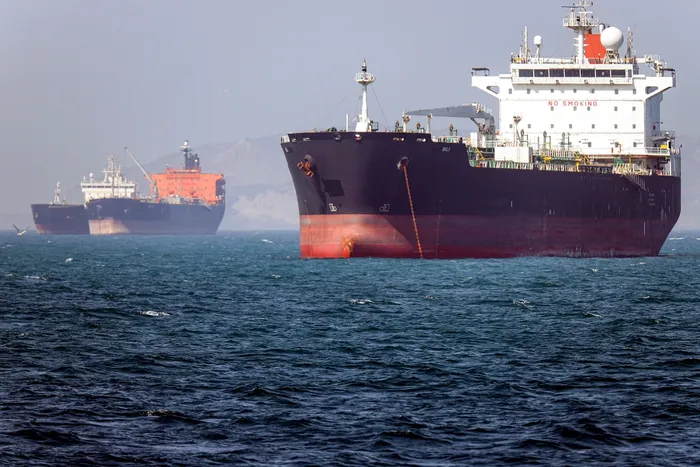
The cruise industry just hit another snag that feels like a script from a bad disaster movie. A cruise ship carrying passengers exposed to Hantavirus is heading straight for Tenerife. It’s not a drill. It’s a logistical nightmare that has health officials in the Canary Islands on high alert. You’ve probably heard the name Hantavirus before and associated it with dusty cabins or rural hiking, not a luxury liner. But here we are. The ship is slated to dock, and the plan for disembarkation is already stirring up a mix of fear and frustration among locals and travelers alike.
Let's get one thing straight. This isn't COVID-24. Hantavirus doesn't typically spread from person to person like a cold. It’s usually a "rodent-to-human" deal. But when you’re stuck on a vessel with restricted ventilation and shared spaces, the word "virus" sends everyone into a tailspin. People want to know if they're safe. They want to know why Tenerife was chosen. Most of all, they want to know how several hundred potentially exposed people are going to get home without sparking a localized outbreak.
The Reality of Hantavirus on the High Seas
Most people think of Hantavirus Pulmonary Syndrome (HPS) as something you get from breathing in dried droppings from deer mice in the American Southwest. It's rare. It’s also deadly, with a mortality rate hovering around 38% according to CDC data. Finding it on a cruise ship suggests a massive failure in pest control or a very specific point of origin during a land excursion.
If you're on that ship, you're not just worried about a cough. You're looking at an incubation period that can last up to eight weeks. That’s the kicker. You can't just walk off the boat, pass a temperature check, and say you're fine. Symptoms start like the flu—fever, muscle aches, fatigue. Then, suddenly, your lungs fill with fluid. It’s called non-cardiogenic pulmonary edema. Basically, you drown from the inside.
Why the Port of Santa Cruz de Tenerife
The decision to use Tenerife wasn't random. It’s one of the most equipped maritime hubs in the Atlantic. Spain’s health ministry, specifically the Sanidad Exterior department, has protocols for this. Tenerife has the hospital infrastructure—specifically the University Hospital of the Canary Islands—to handle high-consequence infectious diseases.
Choosing a smaller island would've been a catastrophe. Tenerife has the runway capacity for the private charter flights needed to whisk these passengers away. You can’t put these people on a budget commercial flight back to London or Berlin. That’s how you turn a contained incident into an international PR disaster.
The Disembarkation Protocol Is a Logistics Tetris
When the ship docks, don't expect a typical "welcome to paradise" vibe. This is a sterile corridor operation. I've seen these types of setups before. It involve "cold zones" and "hot zones."
- Passengers are triaged on the ship before they even touch the pier.
- Those with symptoms go straight to isolation units via specialized ambulances.
- Asymptomatic passengers are moved directly from the gangway to buses.
- These buses head straight to the tarmac of Tenerife North or South airports.
It’s a "clean" transit. They don't go through the main terminal. They don't shop for duty-free perfume. They are transitioned from one bubble to another. Spain is being incredibly strict because the Canary Islands rely on tourism. One slip-up that leads to a local infection and the "safe destination" brand is trashed for a decade.
Rodents on a Luxury Liner
How does a rodent-borne virus end up on a ship that charges $5,000 a ticket? It’s embarrassing for the cruise line. Usually, it’s contaminated food supplies or cargo taken on in a port with poor sanitation standards. Hantavirus is shed in the urine and feces of infected rodents. If a storage area was infested and the ventilation system kicked up those dried particles, you have an airborne route within a closed environment.
Cruise lines usually have "Integrated Pest Management" systems. They’re supposed to be bulletproof. This incident proves they aren't. If I were a passenger on that ship, I'd be looking very closely at the legal liability clauses in my ticket contract. Most of them have "force majeure" or "act of God" clauses, but a rat infestation is a maintenance failure. That’s negligence.
What Happens When You Get Home
If you’re one of the passengers returning home from Tenerife, your journey isn't over. You’re looking at a mandatory monitoring period. Public health agencies in the UK, US, and EU have been notified. You’ll likely be required to report your temperature daily.
Health departments don't take chances with HPS. Even though person-to-person transmission is incredibly rare (only documented with the "Andes" strain in South America), the severity of the illness means the "precautionary principle" rules the day. You'll be told to avoid crowds. You'll be told to head to an ER the second you feel a chill.
The Financial Fallout for the Canary Islands
Tenerife is playing a dangerous game here. On one hand, they’re showing off their world-class health logistics. On the other, the headlines "Virus" and "Tenerife" are appearing in the same breath. For an economy that lives and dies by the "Blue Economy" and sun-seeking Brits and Germans, this is high stakes.
Local residents are already vocal on social media. They’re asking why the ship isn't being diverted back to its original port of registry or a more isolated military base. The answer is simple: humanitarian law. You can't keep people trapped on a "plague ship" indefinitely. International maritime law dictates that the nearest port capable of providing necessary medical care must coordinate.
Practical Steps If You Are Traveling Soon
If you have a cruise booked or you're heading to the Canary Islands, don't cancel your plans just yet. But do be smart.
- Check the ship's sanitation score. In the US, the CDC publishes "Vessel Sanitation Program" scores. Anything below an 86 is a red flag.
- Review your travel insurance. Does it cover "quarantine by a government order"? Many standard policies don't. You need a "cancel for any reason" (CFAR) add-on.
- Monitor the local news in Tenerife. If you’re staying in Santa Cruz, avoid the port area during the disembarkation window to stay clear of the logistical traffic.
The situation is fluid. Spanish authorities are expected to release a full manifest and health status report once the ship is docked and the first round of PCR tests—used here to rule out other respiratory issues—are processed. For now, the "Hantavirus Cruise" serves as a grim reminder that the ocean doesn't protect you from the realities of biology.
Watch the news for updates on the specific charter flight schedules. If those flights are delayed, the pressure on Tenerife’s temporary holding facilities will reach a breaking point. This is a test of international health cooperation that we haven't seen since the early days of 2020.
Stay vigilant about your health. If you've been in contact with anyone recently returned from a cruise in the Atlantic circuit and you develop a sudden, high fever, don't wait. Tell your doctor about the travel history immediately. Early intervention is the only thing that changes the survival odds for Hantavirus.