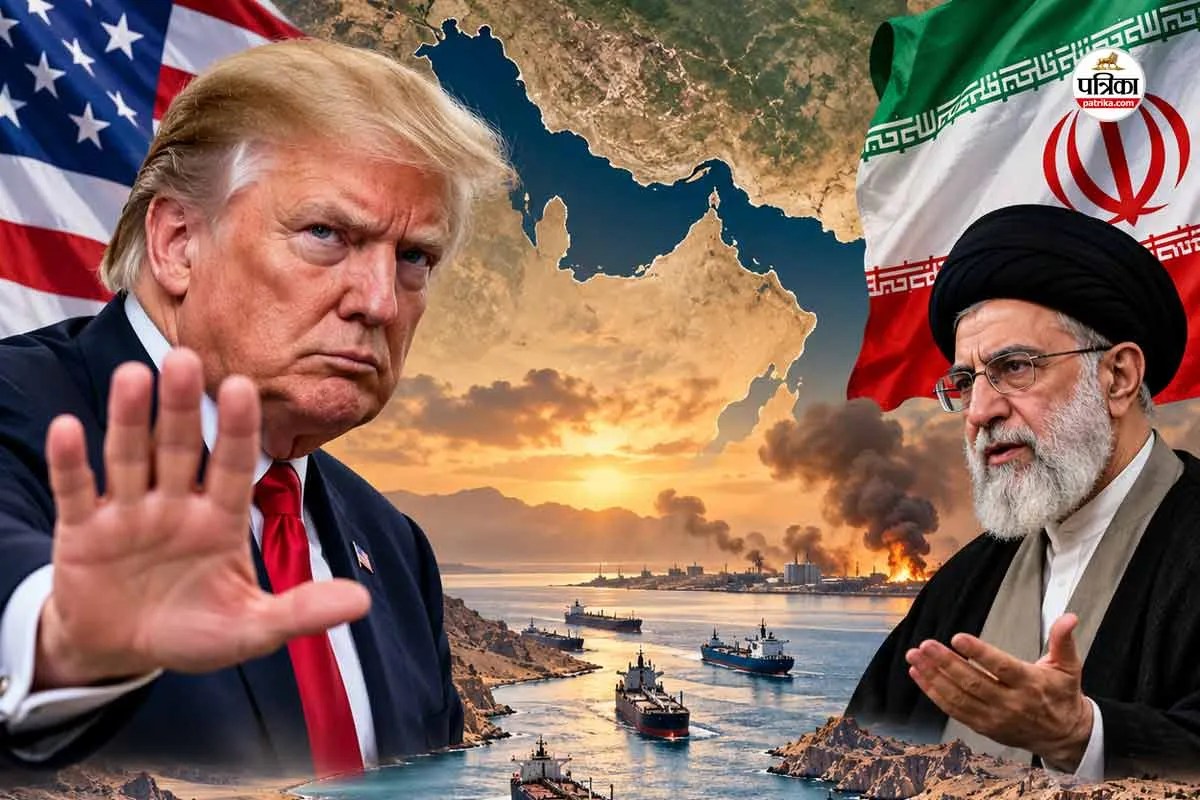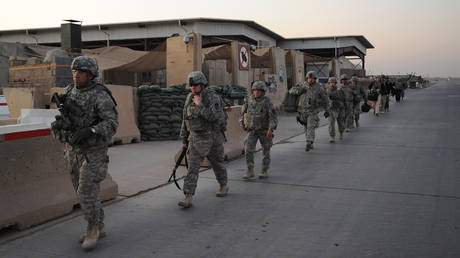
The departure of American forces from Iraq marks the end of a military footprint that began back in 2003. Naturally, reactions vary wildly depending on who you ask in the region. Iran’s Islamic Revolutionary Guard Corps didn’t mince words, publicly framing the exit as a "historic victory" and the start of a broader regional departure.
If you look closely at how this whole dynamic unfolded, the rhetoric coming out of Tehran isn't just about chest-thumping. It points to a massive shift in Middle Eastern security. For years, American bases acted as a direct counterweight to Iranian influence next door. Now that those forces have packed up from key hubs like Erbil Air Base, the power vacuum left behind is real, messy, and fiercely contested.
What the US Exit Actually Means on the Ground
For over two decades, the numbers tell a heavy story. Roughly 4,500 American service members lost their lives during the long war and its subsequent anti-ISIS operations. When the U.S.-led coalition wrapped up its 12-year mission—which originally ramped back up in 2014 after the Islamic State seized vast territory—the strategic calculus in Baghdad shifted overnight.
I've watched analysts debate whether Iraq's security forces can truly hold the line alone. Security officials in towns like Kirkuk know that remnants of extremist groups still look for any opening to launch attacks. Yet, domestic pressure for absolute sovereignty became too loud to ignore. Local security convoys rolled through cities like Baghdad and Najaf celebrating the final departure, signaling that public fatigue with foreign military presence finally outweighed fears of what comes next.
The Regional Chessboard After Washington Leaves
Tehran's framing of the exit as an "expulsion" serves a very specific domestic and foreign policy purpose. By attributing the withdrawal to the collective will of regional resistance, Iranian leadership wants to project strength outward. They are openly calling for Washington to clear out of the Middle East entirely and leave security management to local populations.
Of course, neighboring powers aren't just sitting back. Tensions remain sky-high, especially given ongoing friction involving regional missile exchanges, threats to energy infrastructure, and naval clashes. When a major military footprint disappears, it doesn't bring instant peace. It usually invites a scramble for control.
Local armed factions aligned with Tehran are celebrating, but Iraqi leaders face an immediate headache: managing internal security without relying on an external superpower, all while keeping neighboring rivalries from turning Iraqi soil into a permanent proxy battlefield. The next few months will show whether local institutions can actually manage the vacuum, or if the exit simply opens the door to deeper instability.