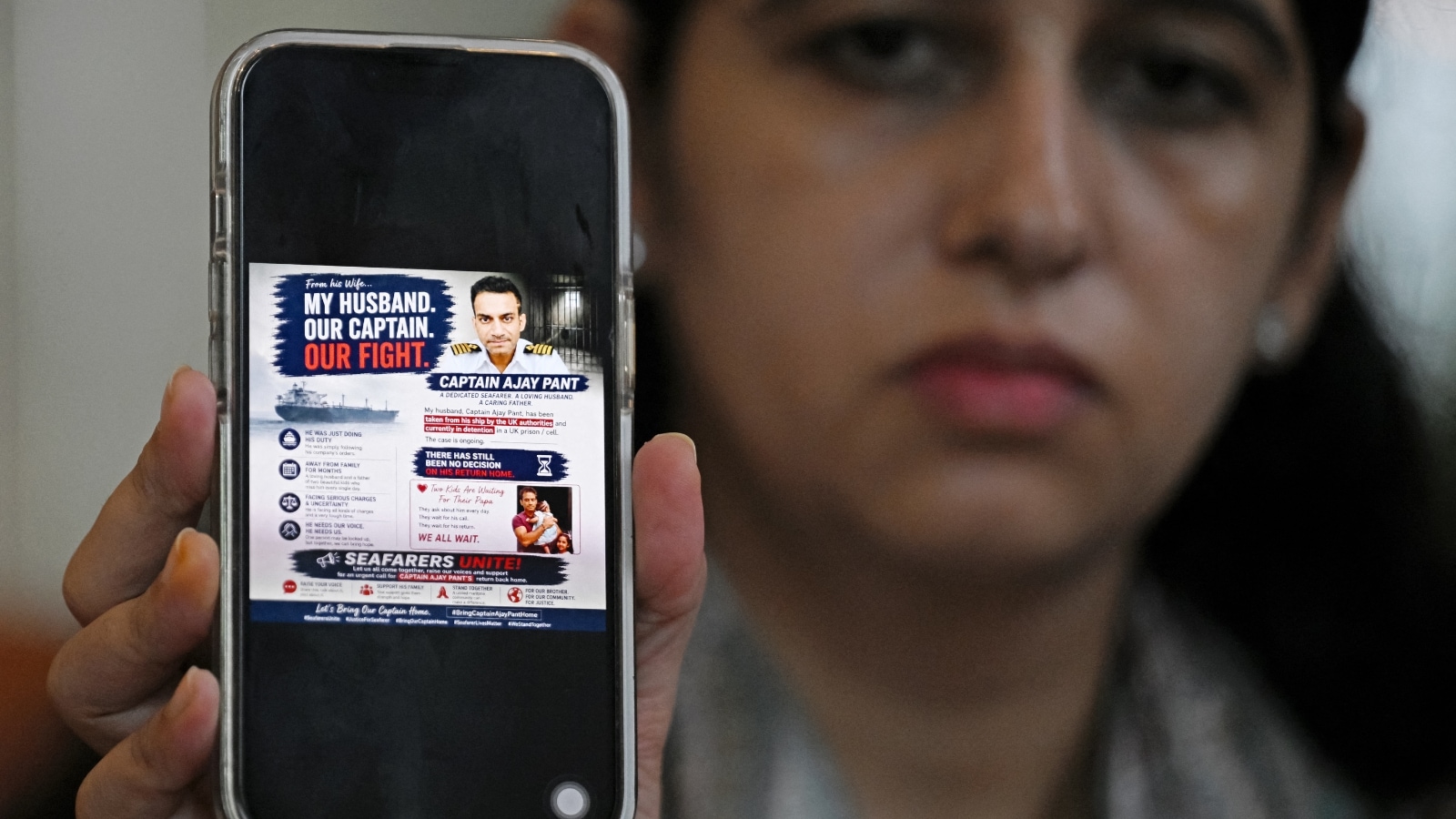
When British commandos descended onto the deck of the oil tanker MV Smyrtos in the English Channel, they didn't just seize a vessel carrying nearly 98,000 tonnes of Russian crude. They also handcuffed 38-year-old Indian captain Ajay Pant, turning a complex geopolitical enforcement action into a deeply personal nightmare for his family back in Uttarakhand.
Western governments are tightening the screws on Russia's shadow fleet, but prosecuting individual merchant mariners for corporate-level sanctions evasion crosses a dangerous line. Captain Pant's wife, Ritu, learned of her husband's arrest through social media and news reports rather than official diplomatic channels. Her plea is simple: her husband spent over fifteen years building a spotless career at sea, following orders from corporate employers, and now he's facing up to a decade in a British prison while shipping executives sit safely ashore.
It is time to look at how international maritime enforcement treats working seafarers. You cannot hold a ship's master personally liable for billion-dollar state-backed energy trades without turning ordinary sailors into geopolitical hostages.
The Reality of the Shadow Fleet Crackdown
The interception of the MV Smyrtos marked the first time British forces directly boarded a shadow fleet vessel. Prime Minister Keir Starmer called it a direct blow to Moscow, aiming to choke off the revenue streams funding the war in Ukraine. Governments estimate that hundreds of aging tankers operate globally, switching flags, masking transponders, and moving oil outside traditional Western insurance and maritime networks.
Yet catching a ship is one thing. Criminalizing the person steering it is entirely another.
When the case reached Southampton Magistrates' Court, defense solicitor James Diamond pointed out the obvious flaw in the prosecution's logic. Pant didn't choose the cargo. He didn't own the ship, charter the voyage, or negotiate the sale of the oil. He was an employee doing his job. Maritime unions like the Forward Seamen's Union of India have echoed this outrage, noting that working crew members have zero control over corporate compliance checks or ultimate cargo ownership. If a government wants to impound a vessel or sink corporate profits, fine. But locking up the master of the ship solves nothing except finding a convenient body to blame.
Why Merchant Seafarers Become the Weakest Link
Working in the merchant navy isn't glamorous. Crews sign up to move goods across oceans, relying on management offices ashore to clear paperwork, check port clearances, and verify legality. Cargo documentation passes through layers of shell companies, brokers, and charterers before a captain ever sets foot on a bridge.
Expecting a ship's captain to independently audit the ultimate beneficial ownership of a multi-million-dollar oil cargo mid-ocean is absurd. Navigating international waters requires focusing on weather, traffic separation schemes, and basic vessel safety. If a state grants a ship clearance to leave a port, a captain trusts the system.
When things go wrong, the corporate entities hiding behind offshore registrations vanish into thin air. The captain remains right there on the bridge. That makes him the ultimate scapegoat for prosecutors eager to show tough-on-sanctions results to the public.
The Diplomatic Fallout and Human Cost
The arrest has sent shockwaves through the global seafarer community. India supplies a massive share of the world's merchant navy officers and ratings. When foreign courts start treating routine commercial navigation as criminal conspiracy, recruitment and morale take an immediate hit.
The Uttarakhand state government formally urged India's Ministry of External Affairs to step in and secure Pant's safe return, highlighting deep anxieties over his safety and fair treatment in British custody. Families sitting thousands of miles away shouldn't have to watch geopolitical proxy battles play out through criminal indictments served on working-class breadwinners.
If Western authorities want to stop sanction evasion, they need to target the shadowy trading firms, insurance brokers, and corporate directors in London, Dubai, and Moscow who actually profit from these voyages. Punishing the hired help is lazy enforcement. It's time to release the captains caught in the crossfire and hold the boardrooms accountable instead.