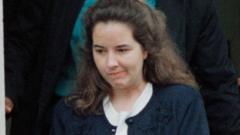
Thirty-two years after she strapped her two young sons into the backseat of her car and let it roll into a South Carolina lake, Susan Smith is still behind bars. And honestly, if you look closely at South Carolina's parole system, her latest denial shouldn't surprise anyone.
In November 2024, the South Carolina Board of Parole and Pardons unanimously rejected her first bid for freedom. Two years later, in late 2026, she went back before the board—and got the exact same answer. People keep asking why a model prisoner who has served over three decades can't get out. The answer comes down to the sheer brutality of the original lie, a messy disciplinary record behind bars, and a state parole board that rarely grants mercy in high-profile murder cases.
What Happened at John D. Long Lake in 1994
To understand why the board won't budge, you have to remember how thoroughly Smith manipulated the entire country before she ever confessed.
On October 25, 1994, Smith walked up to a stranger's door in Union, South Carolina, hysterically claiming a Black man had carjacked her Mazda Protegé at a red light and driven off with her boys—3-year-old Michael and 14-month-old Alex—still inside. For nine agonizing days, she went on national television crying, pleading with the imaginary kidnapper to bring her children home safe. Local police, the FBI, and hundreds of volunteers tore apart the surrounding woods searching for a phantom suspect.
It was all a fabrication.
On November 3, 1994, facing mounting inconsistencies in her story, Smith broke down and confessed to Sheriff Howard Wells. She had driven to the boat ramp at John D. Long Lake, exited the vehicle, and released the parking brake. The car rolled into the dark water, taking six minutes to sink while her toddlers drowned inside. Prosecutors argued she did it because a wealthy local man she was having an affair with, Tom Findlay, had just written her a letter ending their relationship—explicitly stating he didn't want to raise children.
A jury convicted her of two counts of murder in July 1995. They spared her the death penalty, sentencing her instead to life in prison with the possibility of parole after 30 years.
Why the South Carolina Parole Board Keeps Saying No
Under South Carolina law in 1995, a life sentence with parole eligibility meant Smith automatically got her first shot after 30 years. Once denied, inmates in her classification become eligible for review every two years.
That's why her name popped back into the headlines in 2026.
During her initial hearing in November 2024, Smith appeared via video from Leath Correctional Institution in Greenwood. She wept, apologized to her ex-husband David Smith, and claimed she wasn't the same person who committed the murders at age 22. None of it moved the seven-member board. All seven voted no.
When she returned for her second hearing 32 years after the crime, the dynamic hadn't shifted at all. David Smith—who has remarried and spent decades advocating against her release—showed up again to remind the board that his sons never got a second chance at life. Prosecutors from the 16th Circuit Solicitor's Office backed him up completely, arguing that 32 years isn't nearly enough time for taking two innocent lives.
In South Carolina, parole board members are appointed by the governor and confirmed by the state senate. Political reality matters here. Granting parole to one of America's most notorious child killers carries massive public backlash, and board members know it.
Her Prison Record Isn't Nearly as Clean as Supporters Claim
Whenever a high-profile inmate comes up for parole, defense attorneys love to paint a picture of quiet rehabilitation. They point to completed classes, mental health treatment, and decades of remorse.
Smith's actual Department of Corrections file tells a much messier story.
Over her three decades in custody, Smith has racked up multiple disciplinary infractions that undermine the "reformed prisoner" narrative:
- Sexual misconduct with guards. In 2000, Smith had illicit sexual relationships with two different correctional officers at the Women's Correctional Institution in Columbia. Both guards—Houston Cagle and Alfred Rowe—were prosecuted and sent to prison themselves.
- Drug possession. Prison records show she was disciplined for possessing marijuana and other contraband substances during her incarceration.
- Self-harm and contraband violations. In 2010 and 2015, she faced infractions for possessing unauthorized items and engaging in self-mutilation.
- Phone privileges and outside contact. Just before her 2024 hearing, reports surfaced that Smith had been communicating extensively with multiple men outside prison, talking about moving in with them and starting fresh once paroled—behavior critics argued showed she was still prioritizing romantic validation over genuine accountability.
Parole boards look heavily at institutional behavior. A clean record doesn't guarantee release, but a file full of contraband charges and guard scandals gives board members an easy, indisputable reason to deny a petition.
How South Carolina Parole Rules Actually Work
A lot of confusion surrounds why Smith even gets these hearings every two years. People assume a denial means she's locked up for good. That's not how the 1995 sentencing statutes work.
South Carolina abolished parole for most violent offenses in 1996—just one year after Smith's trial—under the Truth in Sentencing Act. Had she committed the exact same crime twelve months later, she would have received life without parole and never seen the inside of a hearing room.
Because her crime occurred in 1994, she remains grandfathered under the older statutory framework. That means:
- She became eligible after serving 30 calendar years (counted from her November 1994 arrest).
- Every denial triggers a mandatory two-year waiting period before she can reapply.
- She needs a two-thirds majority vote from the board to win release—meaning at least five of the seven members have to vote yes.
Going from zero votes in 2024 to five votes in 2026 was always a long shot. In practice, inmates convicted of double murder in South Carolina rarely clear that threshold on their first, second, or even third try.
The Victims' Family Factor
Never underestimate the weight of victim impact testimony in South Carolina parole hearings. The state's Victims' Bill of Rights guarantees family members the right to address the board directly, and David Smith has made it clear he intends to show up every single time her name hits the docket.
During the 2024 proceedings, David Smith stood before the board and spoke plainly about Michael and Alex. He reminded them that his boys never got to go to school, never got to play sports, and never got to grow up—all because their mother wanted to clear a romantic obstacle out of her life. That kind of raw, direct testimony cuts straight through any abstract talk of rehabilitation.
Aunts, uncles, and extended family members have consistently joined him in opposing her release. Even if a board member felt inclined to consider time served, overturning the unanimous opposition of the surviving parent and the prosecuting solicitor's office is virtually unheard of in South Carolina.
What Happens Next for Susan Smith
Following her 2026 denial, Smith returns to her routine at Leath Correctional Institution. Under current state law, the clock immediately resets for another two-year cycle, putting her next potential parole hearing in late 2028.
Unless she voluntarily waives her right to a hearing—which some lifers do when they know the outcome is predetermined—the state will notify David Smith, the solicitor's office, and the public again in two years. She'll likely appear on the same video monitor, offer another tearful apology, and face the same wall of opposition.
If you're following high-profile parole cases like Smith's, don't get fooled by headlines claiming an inmate is "up for release." Eligibility isn't probability. Keep an eye on the South Carolina Department of Probation, Parole and Pardon Services docket each fall—because under 1994 sentencing laws, this cycle is going to repeat every 24 months for the rest of her life.