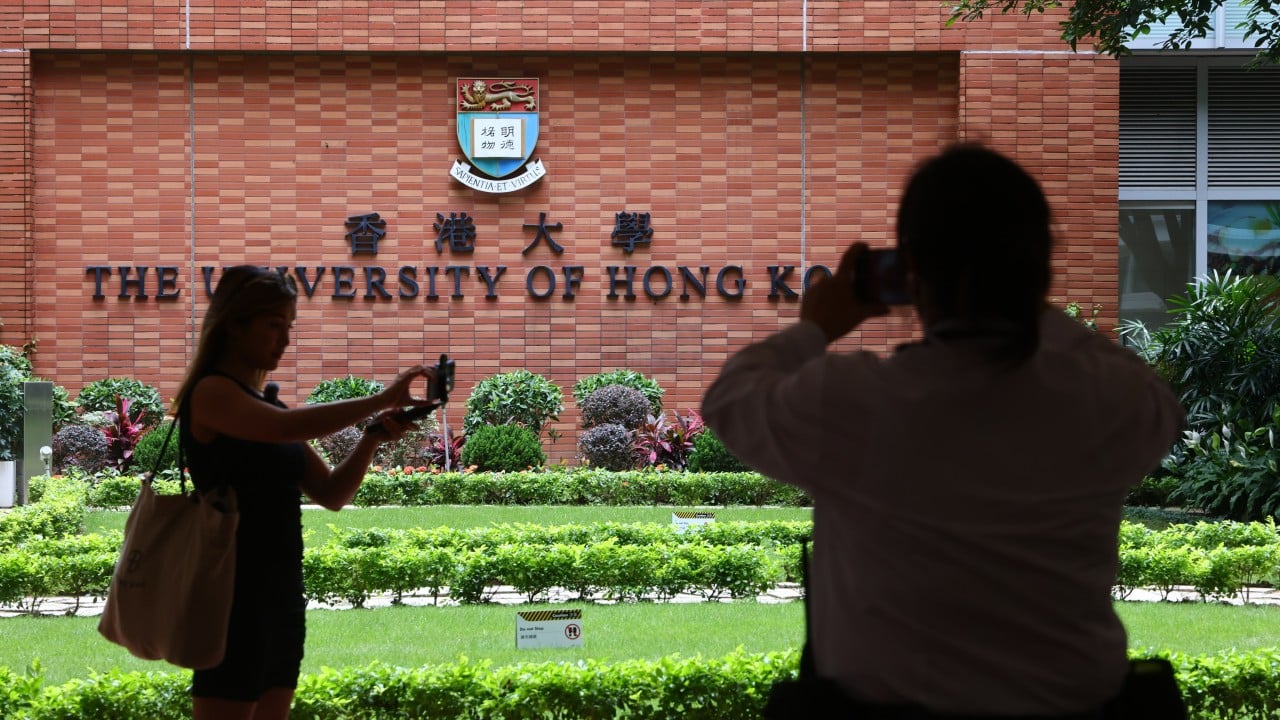
After 74 years of putting out issues, breaking campus stories, and ruffling feathers, the University of Hong Kong’s iconic student publication Undergrad is shutting its doors. The editorial committee dropped the hammer on social media, blaming a total lack of new recruits. Just like that, one of the longest-running collegiate media outlets in Hong Kong vanishes into the archives.
Honestly, it's easy to look at this and get sentimental. But if you're paying attention to how student life has shifted over the last few years, this isn't a shock. It's the logical conclusion of a system where traditional student engagement is completely broken.
The Recruitment Death Spiral
Let's look at the actual math here. You have a campus of over 39,000 students, yet an institution like Undergrad couldn't find enough warm bodies to fill an editorial board. It tells you everything you need to know about what undergrads value right now.
Students aren't lazy. They're just hyper-pragmatic. Spending 30 hours a week arguing over page layouts and chasing down campus bureaucrats for zero pay doesn't look great on a resume anymore. Not when corporate internships, tech side-hustles, and micro-influencer content creation offer immediate financial or professional returns.
When you run a purely volunteer-driven media machine, recruitment isn't just an HR function. It's your lifeblood. The moment your incoming pipeline drops below a critical threshold, the institutional knowledge disappears. The juniors don't learn how to edit, the sophomores don't learn how to manage, and the seniors just burn out trying to keep the lights on. That's exactly what played out at HKU.
Legacy Media Formats in a TikTok World
Let's be real about the product itself. Traditional student newspapers were built for an era when the campus gatekeeper held a monopoly on local attention. If you wanted to know what the Student Union was spending money on, you picked up a physical copy of Undergrad or visited their dedicated site.
Today, if an HKU student wants to complain about campus food, expose a bad professor, or leak university drama, they don't pitch an editor. They post a 15-second video on social media or drop an anonymous thread on an online forum. The news cycle moves in minutes, while student magazines often operate on monthly or quarterly schedules.
By the time a student publication investigates, writes, edits, layouts, and prints an article, the entire campus has already moved on. The format didn't adapt fast enough to capture how Gen Z actually consumes information.
The Shrinking Space for Campus Politics
You can't talk about Undergrad without talking about its historical footprint. This wasn't just a lifestyle magazine. It was a fiercely political publication that frequently challenged university management and commented on broader social issues in Hong Kong.
But the landscape for student governance has fundamentally shifted. The HKU Student Union, which historically funded and housed Undergrad, saw its ties severed by the university administration years ago. Without the institutional protection and financial backing of a centralized student union, independent campus media became an incredibly vulnerable operation.
Faced with stricter administrative oversight and a completely different legal environment, the risk-reward calculation for student journalists changed overnight. When writing an edgy editorial carries potential legal or disciplinary consequences, most students decide it's simply not worth the trouble.
How to Save What is Left of Campus Media
If you are running a student publication right now and don't want to meet the same fate as Undergrad, you need to pivot immediately. Stop trying to mimic the structure of a 20th-century newsroom.
- Kill the print edition: If you are still wasting money on physical paper that ends up in recycling bins, stop. Put every dollar into digital distribution and short-form video production.
- Decentralize production: Don't demand full-time commitments from students who are already stressed about their GPAs. Move to a contributor-based model where students can submit single pieces without committing to a year-long editorial board position.
- Focus on hyper-local utility: Stop trying to cover national or global politics better than major media outlets. Cover the things only a student cares about: library seat shortages, hidden study spots, and cheap food hacks near campus.
The death of Undergrad isn't an isolated tragedy. It's a loud warning to every legacy student organization that relying on past prestige won't save you if you can't convince the next generation to show up to your meetings.