The temporary suspension or long-term overhaul of historical wildlife enclosures in Japan, such as iconic macaque mountain exhibits and specialized cold-climate primate habitats, is routinely framed by media outlets as a sentimental cultural loss. This framing misses the operational mechanics driving these closures. Facilities built decades ago face an escalating conflict between aging physical infrastructure, evolving animal welfare mandates under the Act on Welfare and Management of Animals, and shifting municipal capital expenditure priorities. When a primate park shuts down for a multi-year revamp, it represents a necessary correction to a systemic capital depreciation cycle rather than a sudden policy shift.
The Infrastructure Degradation Function
Traditional open-air enclosures designed for Japanese macaques rely on concrete artificial rockwork, moat systems, and perimeter barriers constructed during mid-century tourism booms. Over decades, freeze-thaw cycles in central and northern regions degrade structural concrete, introducing safety hazards for both handlers and animals. If you found value in this post, you might want to check out: this related article.
The maintenance cost curve for these legacy assets follows a non-linear trajectory. Routine patching yields diminishing returns once subsurface rebar oxidation compromises the load-bearing capacity of artificial cliffs and shelters. Zoos encounter a threshold where continuous spot repairs exceed the net present value of a total demolition and reconstruction cycle. Public institutions must therefore freeze operations to comply with modern safety statutes governing specified animals, which mandate rigorous containment standards regardless of a troop's historical residency.
Resource Allocation and Hierarchical Feeding Frictions
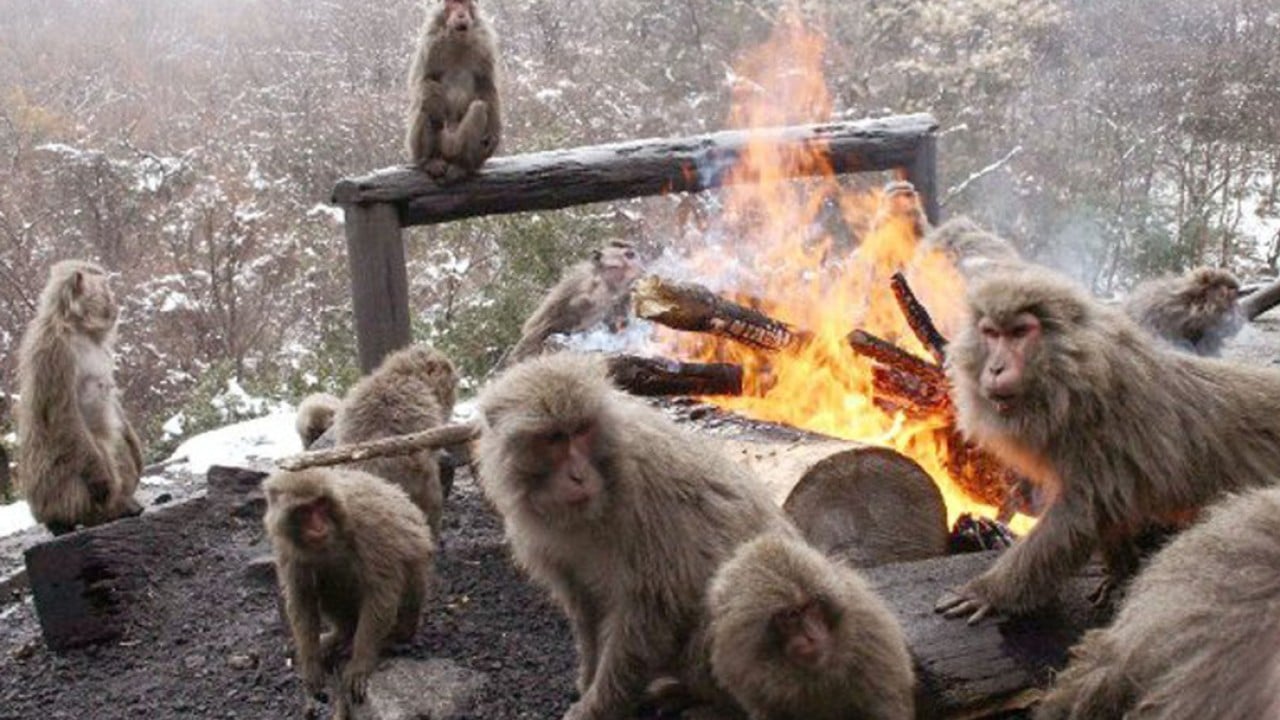
Spatial constraints in older enclosures generate predictable behavioral bottlenecks. In confined social structures, dominant macaques monopolize feeding zones and thermal features, such as seasonal hot spring pools or primary shelter structures. For another perspective on this story, check out the latest update from AFAR.
- Spatial Monopoly: Stronger individuals occupy lower, central ground where food distribution and thermal amenities are concentrated.
- Marginalization: Subordinate animals are forced into elevated perimeter zones, increasing baseline cortisol levels within the troop.
- Intervention Burden: Animal husbandry teams must increase feeding frequency or subdivide rations across multiple dispersal points to prevent malnutrition among lower-ranking members.
Modern architectural redesigns resolve these inefficiencies by introducing multi-tiered spatial partitioning, breaking line-of-sight boundaries, and creating decentralized feeding stations. These engineering interventions lower social friction and reduce the labor intensity required for daily behavioral management.
Capital Sourcing and Municipal Dependency
Publicly funded zoological institutions operate under strict municipal budgetary constraints. Unlike private attractions, municipal zoos cannot dynamically adjust pricing to capture peak tourist demand associated with viral seasonal attractions like winter bathing macaques.
When capital expenditures for facility overhauls arise, funding relies on multi-year municipal budget approvals, public-private partnerships, or localized fundraising campaigns. The extended closure timelines—often spanning several years—reflect bureaucratic procurement cycles and environmental impact assessments rather than slow construction execution. Temporary housing arrangements for the displaced troops, such as off-exhibit holding facilities meeting strict containment codes, incur continuous operational expenses while generating zero ticket revenue, compressing operating margins during the modernization phase.
Strategic Capitalization on Asset Renewal
To secure long-term viability, management must transition from reactive maintenance to modular habitat design. Future primate enclosures require interchangeable substrate modules and modular perimeter barriers that allow targeted repairs without complete site closures. Institutions that successfully execute these capital transformations mitigate revenue volatility and align facility throughput with contemporary welfare standards, turning a mandatory compliance shutdown into an operational upgrade.