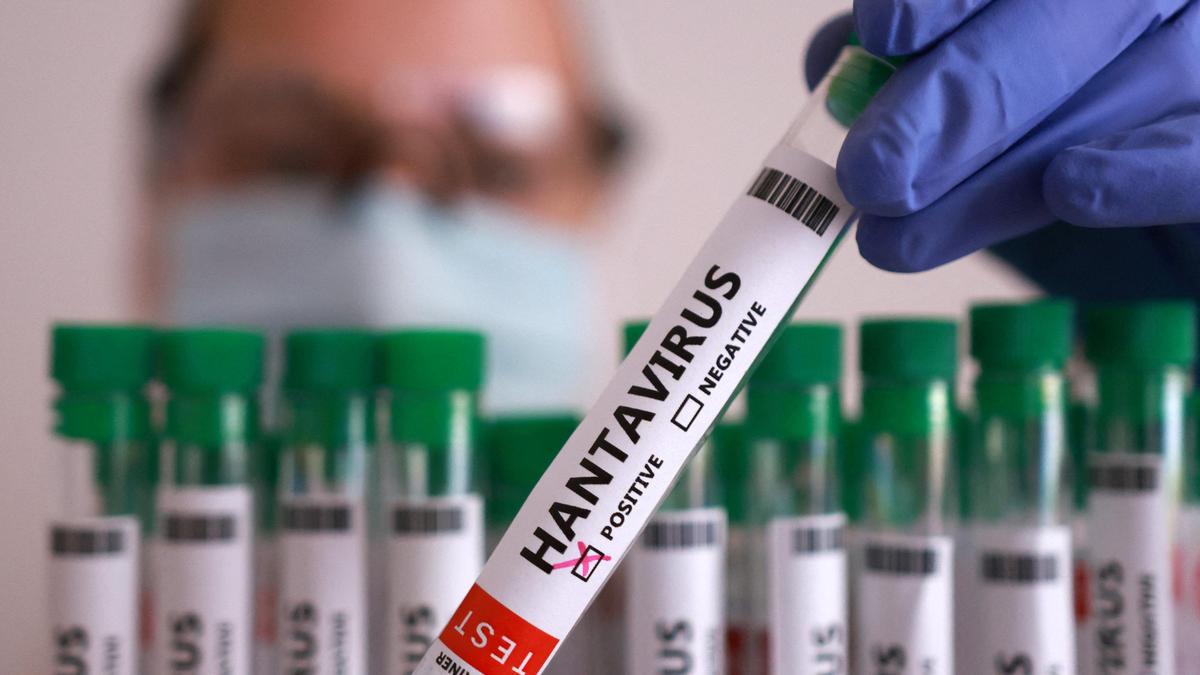
The hospitalization of a flight attendant following a Hantavirus Pulmonary Syndrome (HPS) diagnosis exposes a critical vulnerability in the intersection of mobile labor and zoonotic reservoirs. While news reports focus on the singular event, a structural analysis reveals that the incident is a byproduct of specific ecological interfaces and biological mechanisms rather than a random medical anomaly. To understand the risk, one must decompose the viral transmission cycle into its constituent parts: reservoir density, aerosolization physics, and the specific physiological pathway the virus takes upon entering a human host.
The Zoonotic Transmission Chain
Hantaviruses do not seek out human hosts; humans intrude upon the viral life cycle of specific rodents, primarily those in the family Muridae. The transmission logic follows a predictable sequence of environmental interactions.
1. The Reservoir Interface
Each Hantavirus strain is specialized to a specific host. In North America, the deer mouse (Peromyscus maniculatus) serves as the primary reservoir for Sin Nombre virus, the most prevalent cause of HPS. The virus maintains a persistent, asymptomatic infection within the rodent, being shed through saliva, urine, and feces.
2. The Aerosolization Event
Human infection is almost exclusively respiratory. The virus becomes viable for human transmission when rodent excreta are disturbed, suspending viral particles in the air. This occurs most frequently in confined spaces with poor ventilation, such as cabins, sheds, or, in the context of mobile workers, storage areas and vehicle interiors. The physical stability of the virus outside the host is a primary variable; Hantaviruses are enveloped viruses, meaning they are susceptible to heat and detergents but can remain infectious for several days in cool, shaded environments.
3. The Primary Entry Point
Once inhaled, the viral particles bypass upper respiratory defenses to reach the lower pulmonary tract. Unlike the influenza virus, which attacks the epithelial cells lining the airways, Hantavirus targets the endothelial cells—the thin layer of cells lining the blood vessels.
Pathophysiological Mechanics of HPS
The transition from exposure to critical illness follows a clinical timeline characterized by a sudden shift from prodromal symptoms to acute respiratory failure. This shift is not caused by the virus destroying tissue directly, but by the body’s massive immune response.
The Endothelial Leakage Model
The core of HPS is "vascular leak syndrome." When the virus infects endothelial cells, it triggers an intense inflammatory response. This causes the junctions between blood vessel cells to loosen. Under normal conditions, these junctions act as a pressurized seal. When they fail, plasma from the blood leaks into the alveolar spaces of the lungs.
This creates a mechanical failure of the respiratory system:
- Alveolar Flooding: The lungs fill with fluid (pulmonary edema), preventing oxygen exchange.
- Hypovolemic Shock: As plasma leaves the bloodstream to fill the lungs, blood volume drops, leading to a collapse in blood pressure.
- Cardiac Dysfunction: The heart must pump thicker, low-volume blood through fluid-clogged tissue, often leading to myocardial depression.
The fatality rate for HPS remains high, often cited between 35% and 40%. The speed of progression is the primary challenge; a patient can move from mild fever to requiring mechanical ventilation within 24 hours.
Identifying Occupational Risk Profiles
The case of a flight attendant brings a specific variable into the strategy: the risk of mobile, transient workspaces. Standard risk assessments often focus on stationary environments (farms, rural homes), but the logistics and travel sectors face unique "bottleneck risks."
Environmental Vector Analysis
In the aviation or transport industry, the risk is distributed across three zones:
- Stationary Storage: Warehouses where equipment or dry goods are kept. If these facilities are located in rural or peri-urban areas, rodent infiltration is a statistical probability.
- The Transport Vehicle: If a rodent enters a vehicle (airplane, truck, or car), it creates a high-density exposure environment. The air filtration systems (HEPA filters in aircraft) are effective at removing particles once the air is circulated, but the initial disturbance of a nest or excreta provides a direct, concentrated dose to the individual in the immediate vicinity.
- Ground Layovers: Workers staying in localized housing in endemic areas face the same risks as residents, but often without the local knowledge required to identify rodent signs.
Quantitative Limitations in Diagnostic Timelines
The incubation period for Hantavirus is typically one to five weeks. This lag creates a significant diagnostic "blind spot." Because the initial symptoms—fever, muscle aches, and fatigue—are indistinguishable from common viral infections or exhaustion, the opportunity for early intervention is frequently missed.
The "Hantavirus Triad" of clinical indicators includes:
- Thrombocytopenia: A rapid drop in platelet count.
- Hemoconcentration: An increase in the proportion of red blood cells as plasma leaks out.
- Immature White Blood Cells: The presence of "immunoblasts" in the blood, signaling a massive immune mobilization.
Wait times for confirmatory serology (detecting IgM antibodies) often exceed the window for effective critical care. Therefore, treatment must be initiated based on clinical suspicion and the identification of the structural leak rather than waiting for lab confirmation.
Engineering Controls and Mitigation Strategy
To reduce the probability of future outbreaks among mobile workforces, organizations must move beyond reactive healthcare toward structural prevention. This involves a hierarchy of controls that prioritizes the environment over individual behavior.
Integrated Pest Management (IPM) Protocols
Facility managers must treat rodent exclusion as a biological safety requirement. This includes sealing entry points larger than 6mm and maintaining "clean zones" around storage units. In transport hubs, the use of snap traps is preferred over rodenticides; poisoned rodents often crawl into inaccessible areas (like aircraft wall panels) to die, creating a long-term contamination risk that is difficult to remediate.
Decontamination Physics
When rodent activity is discovered, the response must account for the aerosolization risk.
- Wet Suppression: Excreta should never be swept or vacuumed (which aerosolizes the virus). Instead, the area must be soaked in a 10% bleach solution or a high-strength disinfectant for at least five minutes to deactivate the viral envelope.
- Ventilation Dilution: Opening windows and doors to allow cross-ventilation for 30 minutes prior to cleaning reduces the concentration of any suspended particles.
Operational Surveillance
For industries with high-mobility employees, health screening protocols should include specific queries regarding rural travel or exposure to storage environments if a worker presents with a rapid-onset fever. Shortening the "time-to-suspicion" is the only variable that reliably correlates with survival.
Strategic Evaluation of the Viral Threat
Hantavirus is not a candidate for a traditional pandemic because it lacks human-to-human transmission (with the rare exception of the Andes virus strain in South America). However, its high case-fatality rate and the difficulty of environmental total-elimination make it a high-impact, low-probability risk for logistics and travel sectors.
The strategic priority is the hardening of the supply chain and employee housing against rodent encroachment. Organizations must transition from viewing rodent control as a "janitorial task" to a "critical health safety infrastructure." Failure to manage the rodent-human interface leads to a high-cost medical intervention that, as demonstrated in recent hospitalizations, often leaves the host fighting a systemic failure of their own vascular integrity.
The immediate move for stakeholders in high-risk zones is the audit of dormant storage spaces and the implementation of non-aerosolizing cleaning mandates. These steps remove the primary mechanism of infection—the disturbance of dry waste—and effectively decouple human activity from the rodent viral reservoir.