Geopolitical competition between a dominant incumbent and a rising challenger rarely resolves through accidental escalation. Instead, it follows a rigorous cost-benefit matrix where both actors calculate the point of diminishing returns for direct confrontation. When Chinese leadership invokes historical paradigms such as the construct popularized by political scientist Graham Allison—the structural friction occurring when a rising power threatens to displace an established hegemon—the objective is not merely rhetorical framing. It is an explicit signal regarding threshold management, risk tolerance, and the mechanics of deterrence.
To decode this statecraft, the interaction must be stripped of diplomatic theater and examined through three primary variables: structural asymmetry, cost functions of conflict, and signaling efficiency.
The Asymmetry of Strategic Objectives
The United States operates with a global security architecture designed to maintain a unipolar status quo, which imposes high maintenance costs across multiple theaters. Conversely, China operates with a concentrated regional focus where core objectives—specifically regarding sovereignty issues such as Taiwan—represent vital national interests with lower geographic dispersal.
This creates an inherent disparity in stakeholder commitment.
- The Incumbent Burden: The established power must project credibility globally, spreading military and economic resources thin across multiple alliances and flashpoints.
- The Challenger Focus: The rising power concentrates capital, technological development, and naval build-up within its immediate periphery, maximizing local military parity.
When the two systems interface, the incumbent evaluates threats through the lens of global hegemony preservation, while the challenger evaluates them through the lens of regional sovereignty and security finality. This divergence in strategic calculus leads to frequent misinterpretations of intent.
The Economic Cost Function of Deterrence
Direct military engagement between nuclear-armed economies carries an infinite cost coefficient, rendering total war mathematically irrational for rational actors. Consequently, competition shifts to sub-threshold domains: trade architecture, semiconductor supply chains, artificial intelligence protocols, and sovereign debt diplomacy.
Total Competition Cost = Direct Military Friction + Supply Chain Decoupling + Technological Fragmentation
As the cost function of kinetic conflict approaches infinity, both superpowers substitute direct confrontation with institutional and industrial friction.
- Tariff Instruments and Sanctions: Used to test the elasticity of the opponent's domestic economic stability.
- Technological Controls: Aimed at creating structural bottlenecks in critical sectors like advanced computing and biotechnology.
The invocation of systemic traps by Beijing during high-level summits functions as a transparent pricing mechanism. It communicates to Washington that the marginal gains of aggressive economic decoupling or military posturing in contested zones are rapidly outweighed by the systemic risk of mutual economic contraction.
Signaling Efficiency and Crisis Management
In structural realism, communication protocols must be precise to prevent tactical miscalculation from triggering strategic escalation. When state actors utilize historical analogues, they establish guardrails for domestic and international audiences.
The mechanics of this signaling rely on three operational rules:
- Verbal Delimitation: Defining clear boundaries where competition must convert into institutionalized containment rather than military friction.
- Reciprocal Vulnerability: Demonstrating that neither economy can absorb total decoupling without inducing structural failure in domestic employment and capital markets.
- Institutional Dialogue Channels: Maintaining high-level diplomatic touchpoints not to resolve fundamental ideological differences, but to establish predictable volatility parameters.
The strategic imperative for the established power is to avoid getting trapped in zero-sum commitments where withdrawal signals weakness and escalation triggers systemic crisis. Managing this equilibrium requires institutionalizing a framework of managed rivalry where rules of engagement are mutually understood, even if fundamentally contested.
Strategic Play
To optimize posture under these conditions, policymakers and institutional strategists must abandon assumptions of absolute victory or permanent containment. The operational reality mandates shifting from a posture of friction maximization to one of calculated risk mitigation. Establish fixed bilateral guardrails in critical technological and maritime domains, decouple strategic supply chains strictly where national security thresholds are breached, and maintain continuous, non-public communication channels to price in risk before tactical incidents escalate into structural conflict.
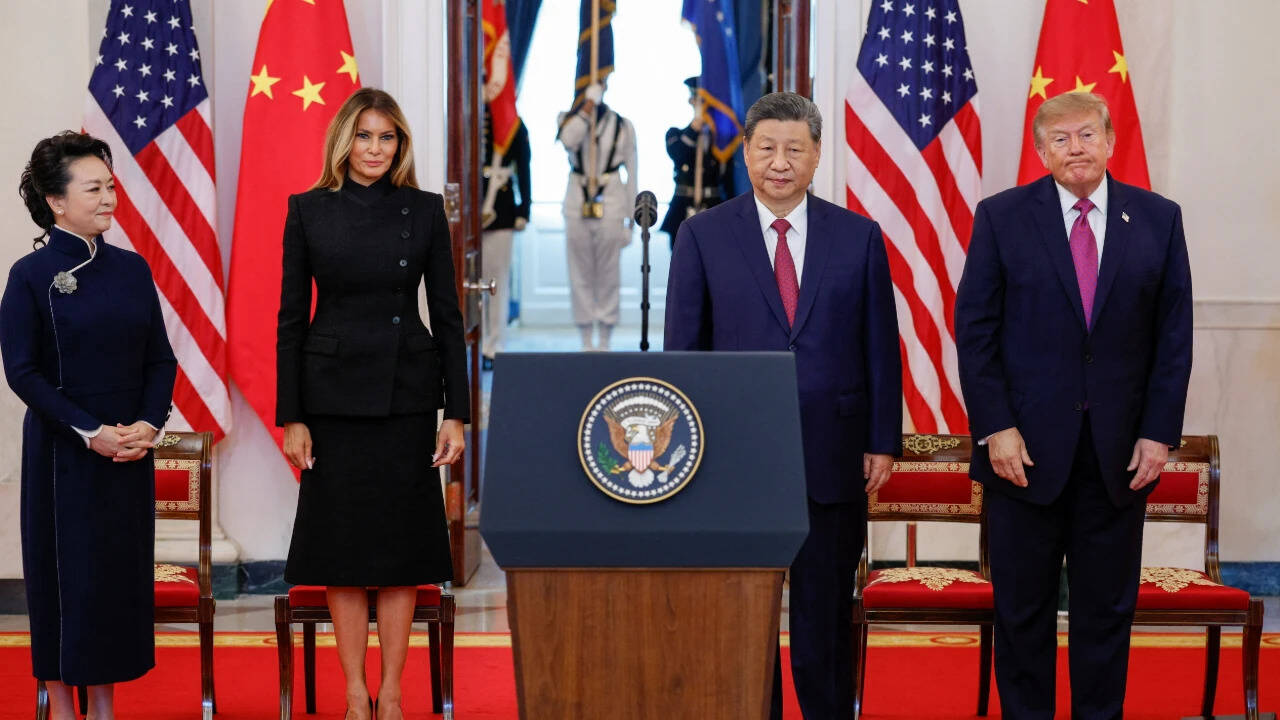
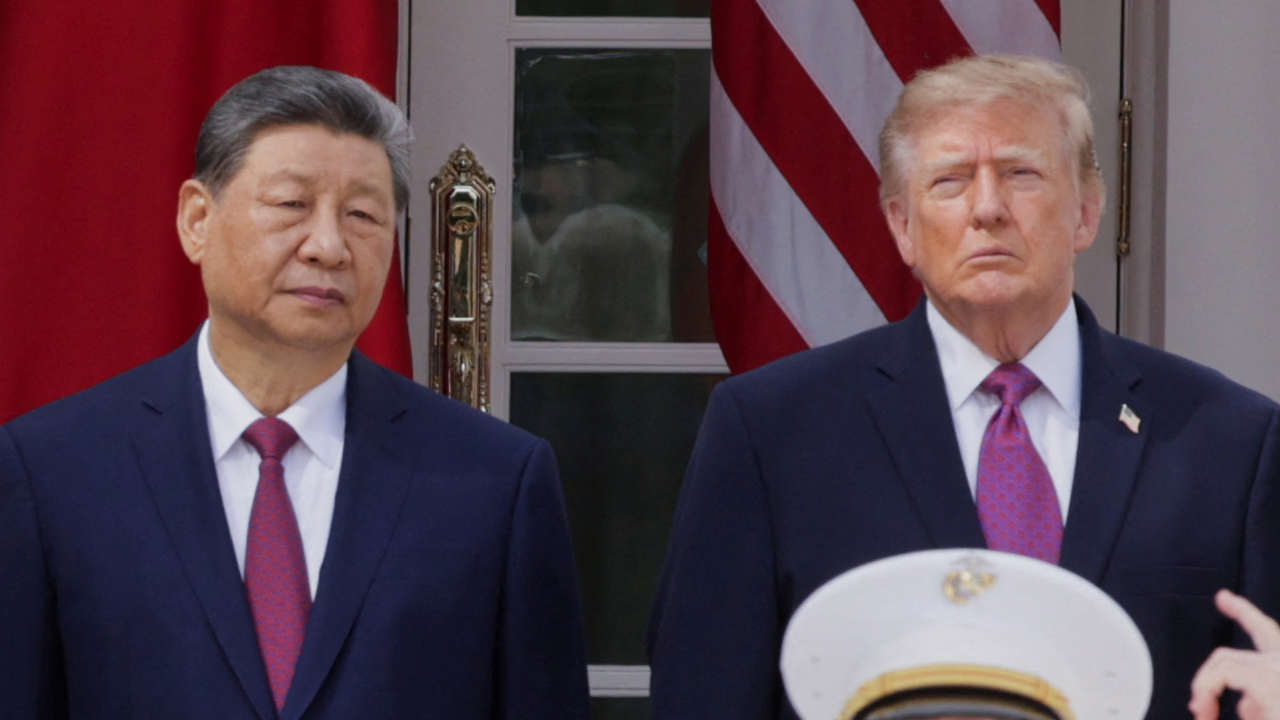
A look at the 'Thucydides trap', mentioned by Xi during talks with Trump
This video provides historical context and visual analysis regarding how leaders utilize the concept of structural rivalry to frame bilateral negotiations and manage geopolitical tensions.