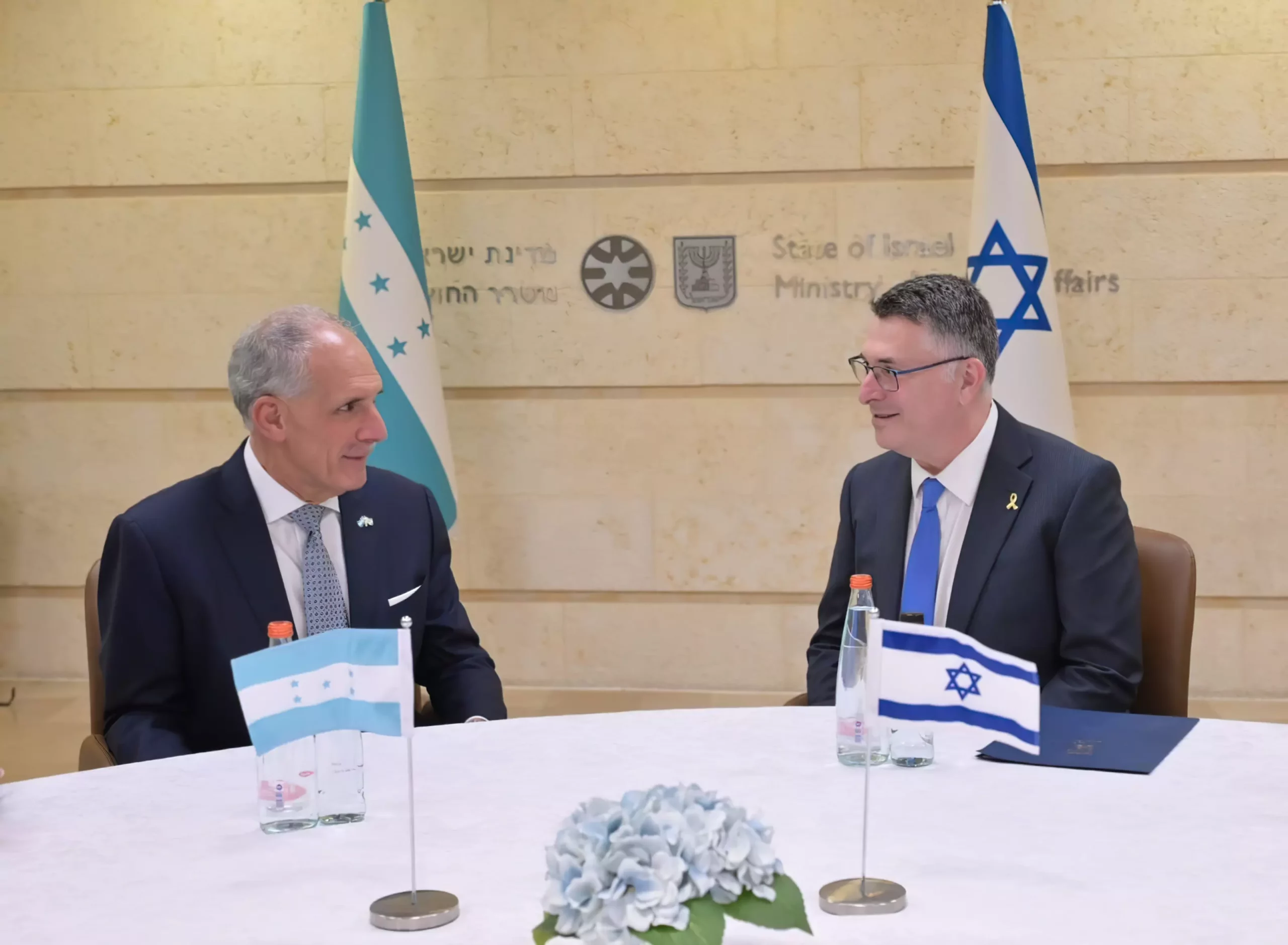
When a 7.4 magnitude seismic event struck western Colombia, killing nearly 300 people and decimating thousands of residential structures, the immediate operational bottleneck shifted from emergency search-and-rescue protocols to national fiscal liquidity. Newly inaugurated Colombian President Abelardo de la Espriella addressed this macroeconomic compression point by requesting a temporary suspension of 12.5% U.S. Section 301 tariffs during a ten-minute diplomatic exchange with U.S. President Donald Trump.
Analyzing this diplomatic appeal requires stripping away surface-level political rhetoric to evaluate the underlying economic mechanics. Sovereign states recovering from localized natural disasters face a simultaneous dual shock: physical capital destruction and immediate trade revenue contraction.
The Macroeconomic Cost Function of Seismic Disasters
To understand why a tariff exemption functions as a critical fiscal instrument, one must isolate the structural variables of the Colombian economy at the time of impact.
- Fiscal Deficit Baseline: The administration inherited a national fiscal deficit tracking at 6.4% of Gross Domestic Product.
- Public Debt Exposure: Sovereign debt reached 1,167 trillion pesos by mid-2026, creating high sensitivity to external revenue shocks.
- Trade Friction: Section 301 tariffs of 12.5%, enacted in late July on approximately 60 nations under enforcement claims regarding labor standards, directly compressed export-driven liquidity for non-exempt sectors such as cut flowers, manufactured goods, and textiles.
When physical infrastructure collapses—manifested by over 14,000 destroyed homes and severed transport vectors across departments like Valle del Cauca, Risaralda, and Chocó—domestic supply chains break down. Businesses cannot rely on internal consumption to maintain operational cash flow. Export channels to the United States represent the primary mechanism for generating hard currency and preserving enterprise solvency.
The Trade Policy Mechanics
The United States trade measures affecting Colombia operate via statutory authority under Section 301 of the Trade Act of 1974. These levies replaced prior Section 122 duties that expired earlier in the year. While commodities like oil and coffee retained exemptions, secondary export sectors face an administrative tax wedge that reduces foreign buyer demand by artificially inflating end-market prices.
A temporary tariff waiver alters the short-term cost function for Colombian enterprises in disaster zones by eliminating the 12.5% price penalty.
- Margin Restoration: Exporters retain the 12.5% margin instead of absorbing it or passing it to U.S. consumers, offsetting rising logistics costs caused by damaged roadways.
- Working Capital Injection: Retained earnings stay within domestic corporate balance sheets, preventing immediate mass bankruptcies in key employment sectors.
- Tax Base Preservation: Keeping businesses operational maintains corporate income tax collections, mitigating further expansion of the 6.4% fiscal deficit.
Without this waiver, businesses caught in the disaster footprint face twin pressures: physical asset write-downs and punitive export pricing. This forces capital allocation away from reconstruction and toward debt servicing or insolvency liquidation.
The Limits of External Aid
The U.S. State Department deployed $26.5 million in humanitarian assistance, encompassing medical supplies, temporary shelters, and food distribution. While necessary for acute life-safety operations, this capital injection represents a drop in the bucket compared to the macro-fiscal drag of the disaster and the structural weight of ongoing trade barriers.
Aid covers immediate physiological survival. It does not replace the commercial revenue streams required to fund long-term structural reconstruction. Relying purely on humanitarian grants creates an unsustainable dependency model. Trade policy adjustments, by contrast, utilize existing market mechanisms to allow the private sector to self-fund its recovery without straining international aid budgets.
Geopolitical Alignment as a Negotiating Variable
President de la Espriella’s strategy relies heavily on pre-existing ideological alignment with the White House, distinguishing his administration from that of his predecessor, Gustavo Petro. Having secured explicit U.S. backing during the presidential runoff and integrated Colombia into the U.S.-led security framework known as the "Shield of the Americas", de la Espriella possesses a diplomatic capital reserve that previous administrations lacked.
The efficacy of requesting a tariff carve-out depends on whether Washington views the disaster relief exemption as a localized humanitarian exception or a dangerous precedent for its broader protectionist trade enforcement strategy. Section 301 tariffs are explicitly designed as punitive or coercive trade instruments. Suspending them for a geopolitical ally creates a regulatory bifurcation that trade hawks typically resist, regardless of natural calamities.
The immediate policy test rests on whether executive discretion will be applied to decouple trade enforcement from disaster recovery. If the White House approves the suspension, it establishes a framework for using tariff policy as an elastic instrument of crisis management. If denied, Colombia must absorb the full trade penalty while attempting to rebuild its western industrial corridors under emergency decrees.
Prioritize directing diplomatic capital toward securing multi-lateral debt relief terms through international financial institutions to match the bilateral tariff appeal, offsetting structural deficits while export channels remain constricted by physical and regulatory friction.