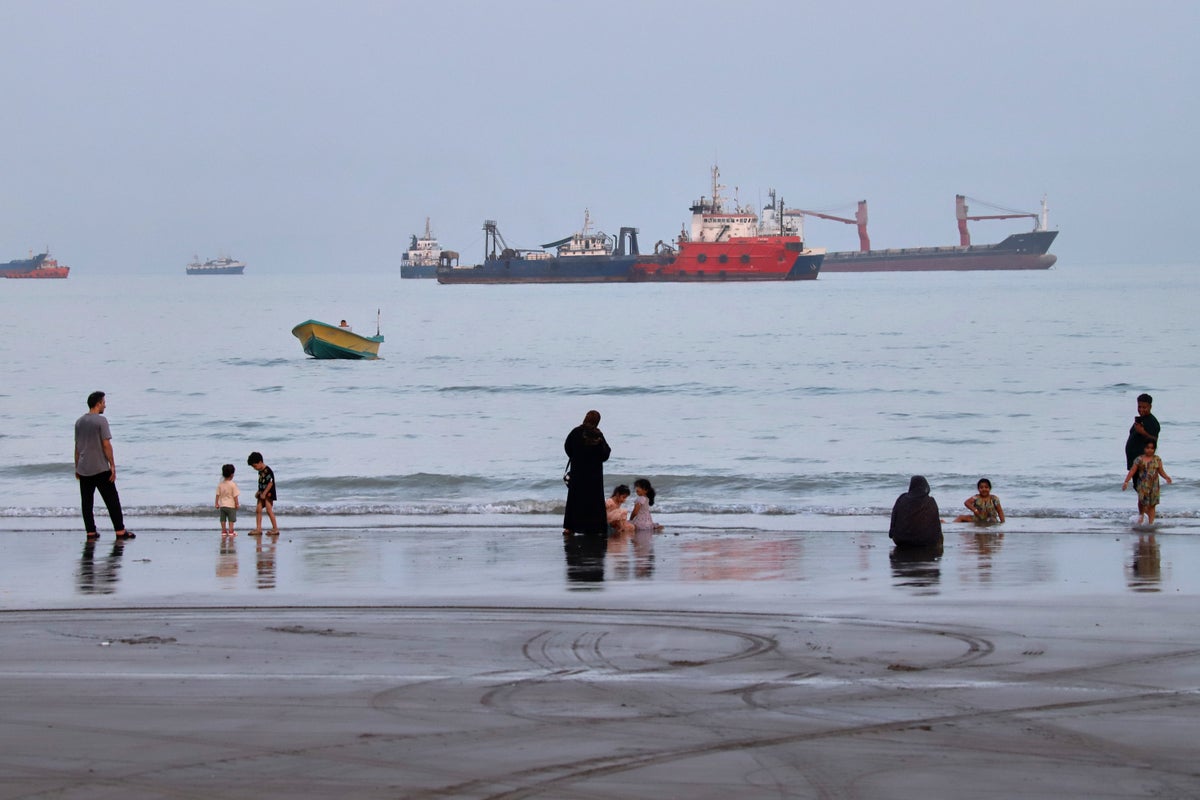
The narrative coming out of Washington and regional capitals is dangerously premature. Behind closed doors in Muscat, a separate track of negotiations between Tehran and Oman has produced the coordinates for a modified maritime routing scheme in the Strait of Hormuz, but the White House translation of this diplomatic theater bears almost no resemblance to reality on the water. President Donald Trump insists that a full reopening of the vital energy chokepoint is imminent, dangling the prospect of a breakthrough to pause military escalations. Tehran, however, has made it abundantly clear that the ongoing talks are not about restoring international freedom of navigation. They are about institutionalizing a new security architecture that grants Iran operational oversight over the world's most critical oil transit corridor.
Understanding the mechanics of this arrangement requires looking past the optimistic soundbites generated by Western trade officials. For months, the military campaign launched by the United States and Israel has effectively choked off the flow of roughly a fifth of globally traded petroleum. The old traffic separation scheme established decades ago under United Nations frameworks has been replaced by a de facto blockade. Now, the proposed framework being finalized through Omani mediation does not dismantle that control. Instead, it codifies it. Under the terms currently circulating among regional maritime authorities, inbound commercial vessels would be funneled through a designated corridor under direct Iranian observation, while outbound traffic would be monitored via shared coordination with Omani ports.
This is not a reopening. It is a checkpoint.
To assume that this compromise will automatically pave the way for broad peace talks or an immediate collapse in global crude benchmarks is to misread decades of Iranian strategic doctrine. Tehran views the chokepoint not as a negotiable commercial asset, but as its primary asymmetric deterrent against Western military pressure. Conceding authority over ship movements to the Islamic Republic gives Tehran functional veto power over every tanker entering the Persian Gulf. Even if cargo begins to trickle through under specialized monitoring protocols, the underlying leverage remains squarely in Iranian hands.
The friction between Washington's public optimism and Tehran's deliberate messaging highlights a widening chasm in the peace process. While the Trump administration frames the Omani mediation as a precursor to comprehensive nuclear and regional diplomacy, Iranian state media and parliamentary officials have drawn a hard boundary. They maintain that any permanent change to the status of the strait is contingent upon the total cessation of the U.S. naval posture, the lifting of regional port sanctions, and an absolute guarantee of non-interference. Until those sweeping demands are met, any agreement brokered in Muscat will function merely as a localized traffic arrangement rather than a grand bargain.
The economic implications for global markets are severe, yet markets continue to misprice the risk. Traders reacting to headlines about impending announcements routinely drive energy costs down, only to watch them spike when reality sets in. A restricted corridor overseen by a hostile state actor does not equal normal market conditions. Insurance premiums for hull and cargo transit through the region will remain astronomical, and shipping lines will hesitate to resume standard schedules based on fragile, temporary understandings that can be revoked at a moment's notice.
The structural reality of the Persian Gulf has shifted permanently. The security architecture of the past sixty years, guaranteed by unchallenged American naval dominance, has collided with the reality of modern anti-ship missile technology and drone warfare. Iran has proven that it can disrupt global commerce at will, and no amount of diplomatic spin in Western capitals can erase that strategic leverage. By accepting a framework that legitimizes Iranian oversight of maritime traffic, international negotiators are not solving the crisis. They are merely paying a toll to manage its symptoms.