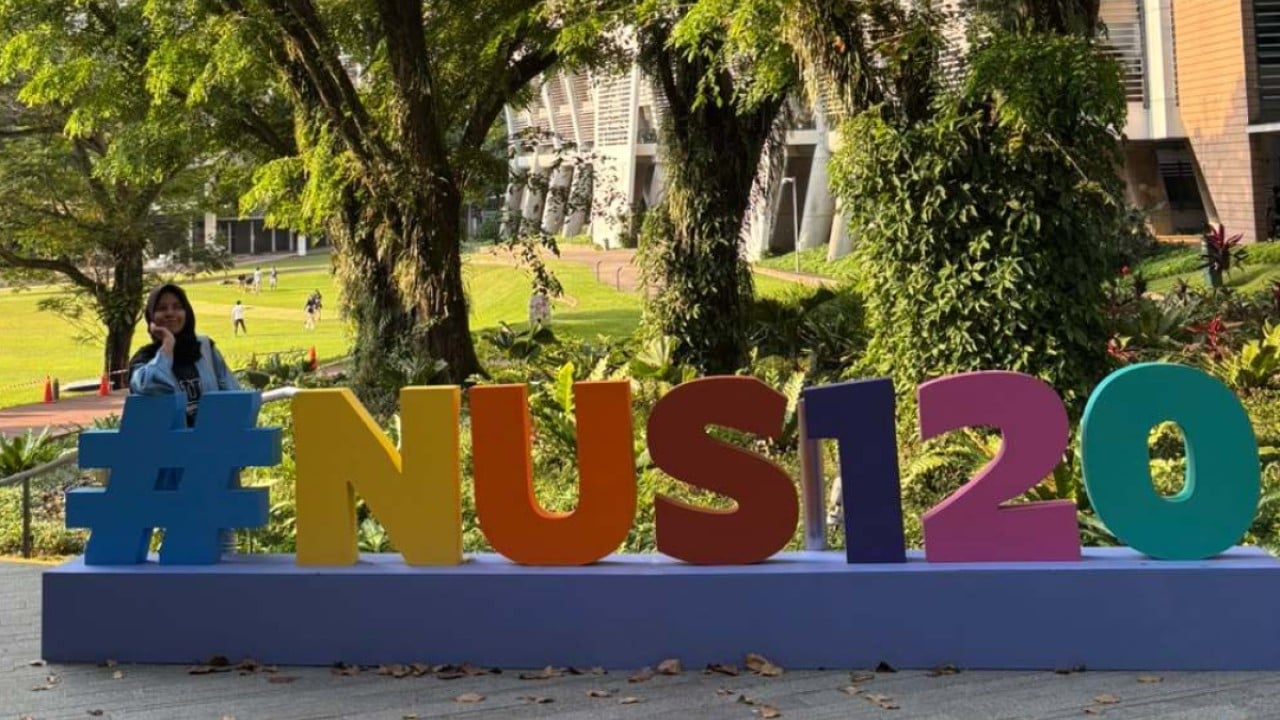
Every time a viral crowdfunding plea hits social media about an Indonesian student scraping together tuition for a flashy degree in Singapore, the mainstream media sheds a sentimental tear. They frame it as an inspiring tale of grit, ambition, and the supreme triumph of cross-border education.
They are selling you a comforting lie.
That crowdfunding campaign is not a testament to the desirability of a foreign education. It is a monument to a broken credentialist signaling loop. We have built an economic religion around packing up, flying across a narrow strait, and paying triple-digit margins for a diploma that often yields a terrible return on investment once local currency conversion and cost of living are factored into the balance sheet.
I have watched ambitious professionals blow life savings, leverage family homes, and graduate into hyper-competitive urban labor markets only to discover that the prestige they bought on credit comes with an expiration date. The lazy consensus says a Singaporean or Western degree is a golden ticket. The market data says it is an expensive lottery ticket with declining odds.
Let us dismantle the romantic myth of the regional academic pilgrimage.
The Signaling Fallacy And The Degree Premium Illusion
Credentialism is the opiate of the anxious middle class. The core premise of the studying-abroad industrial complex relies on a simple trick: conflating education with branding.
When a student from Jakarta or Surabaya takes out massive loans or relies on strangers via digital donation platforms to fund a stint at an elite university in Singapore, they are not primarily buying advanced cognitive tools. Python, corporate finance, and machine learning can be mastered on a laptop in a bedroom in Depok for the price of an internet connection. What they are buying is a badge. They want the institutional stamp that says, "This person cleared a selective filter."
The problem is that the filter has been inflated. When everyone chases the same tier-one brand name, the signaling value undergoes rapid debasement. A degree from a reputable regional hub used to guarantee immediate differentiation in an emerging domestic economy. Today, employers are flooded with graduates bearing identical foreign credentials, all demanding premium starting salaries to offset their debt burdens.
The math no longer works. When you factor in housing in one of the most expensive cities on the planet, lost opportunity cost during years spent out of the domestic workforce, and the steep tuition premiums charged to international applicants, the internal rate of return on that foreign degree often turns negative.
The Local Talent Arbitrage Nobody Wants To Discuss
Here is the contrarian truth that academic consultants and university PR departments will never tell you: the fastest-accelerating careers in Southeast Asia right now are not being built by people who spent three years and fifty grand studying business administration in a foreign lecture hall. They are being built by the execution-obsessed generalists who stayed put, built portfolios, and stacked practical domain expertise while their peers were writing academic essays on Western economic theory.
Domestic tech ecosystems, regional conglomerates, and fast-moving startups do not care about your institutional pedigree if you cannot ship code, manage a P&L, or close a client. In fact, many hiring managers I speak with hold a quiet prejudice against the over-credentialed returnee. They see candidates who expect elite compensation out of the gate based on the name of their alma mater, yet lack the scrappy context required to operate in messy, fragmented emerging markets.
Imagine a scenario where two twenty-two-year-olds enter the job market. Candidate A spent three years in Singapore, accumulating debt, living in a cramped sublet, and studying textbook case studies designed for multinational corporations. Candidate B spent those same three years working growth marketing for a Jakarta direct-to-consumer brand, managing real ad spend, dealing with local logistics nightmares, and failing fast.
Six months into the real world, Candidate B is running circles around Candidate A. Candidate A is still trying to figure out how to translate theoretical corporate frameworks into the chaotic reality of a supply chain in West Java.
The Crowdfunding Paradox And Emotional Manipulation
We need to talk about the mechanics of modern digital pity. Crowdfunding tuition pleas weaponize human empathy to bypass rational economic analysis.
When a campaign goes viral, it creates a distorted perception of reality. It normalizes financial recklessness by framing it as noble ambition. We applaud the hustle of the student begging strangers online for semester fees, but we rarely interrogate the systemic failure that forced them there, nor do we ask whether the investment makes any rational sense.
If a business venture requires random donations from strangers on the internet to launch, we call it a bad business model. If a higher education path requires the same charity to sustain itself, we call it an inspiring human-interest story.
Stop confusing financial desperation with high-value human capital development. If the economic return of the degree justified the cost, institutional lenders or venture-backed student financing platforms would fund it based on future income share. The fact that many of these students must rely on peer-to-peer digital charity is the market whispering—sometimes screaming—that the asset is overpriced.
What You Should Do Instead Of Going Into Debt For A Brand
If you are sitting on the fence, wondering whether to drain your family's retirement fund or launch a GoFundMe campaign to chase a prestigious overseas parchment, here is your playbook.
First, decouple learning from location. The internet has commoditized elite instruction. The exact syllabi taught in top-tier institutions are available online, often for free or a fraction of the cost. If your goal is raw capability, buy books, build projects, and put your work out in public where the market can judge it.
Second, optimize for proximity to cash, not proximity to prestige. Work where the problems are dense and messy. Emerging markets offer massive leverage for people who solve operational friction. If you can fix a broken supply chain or scale a local enterprise, nobody will ever ask you what your GPA was or whether your campus had a view of Marina Bay.
Finally, treat your career like an early-stage portfolio. Mitigate downside risk. Do not leverage your future on the hope that a foreign brand name will magically unlock a corporate red carpet.
The era of blind deference to institutional prestige is over. Stop funding the marketing budgets of foreign universities, and start investing in your own undeniable competence.