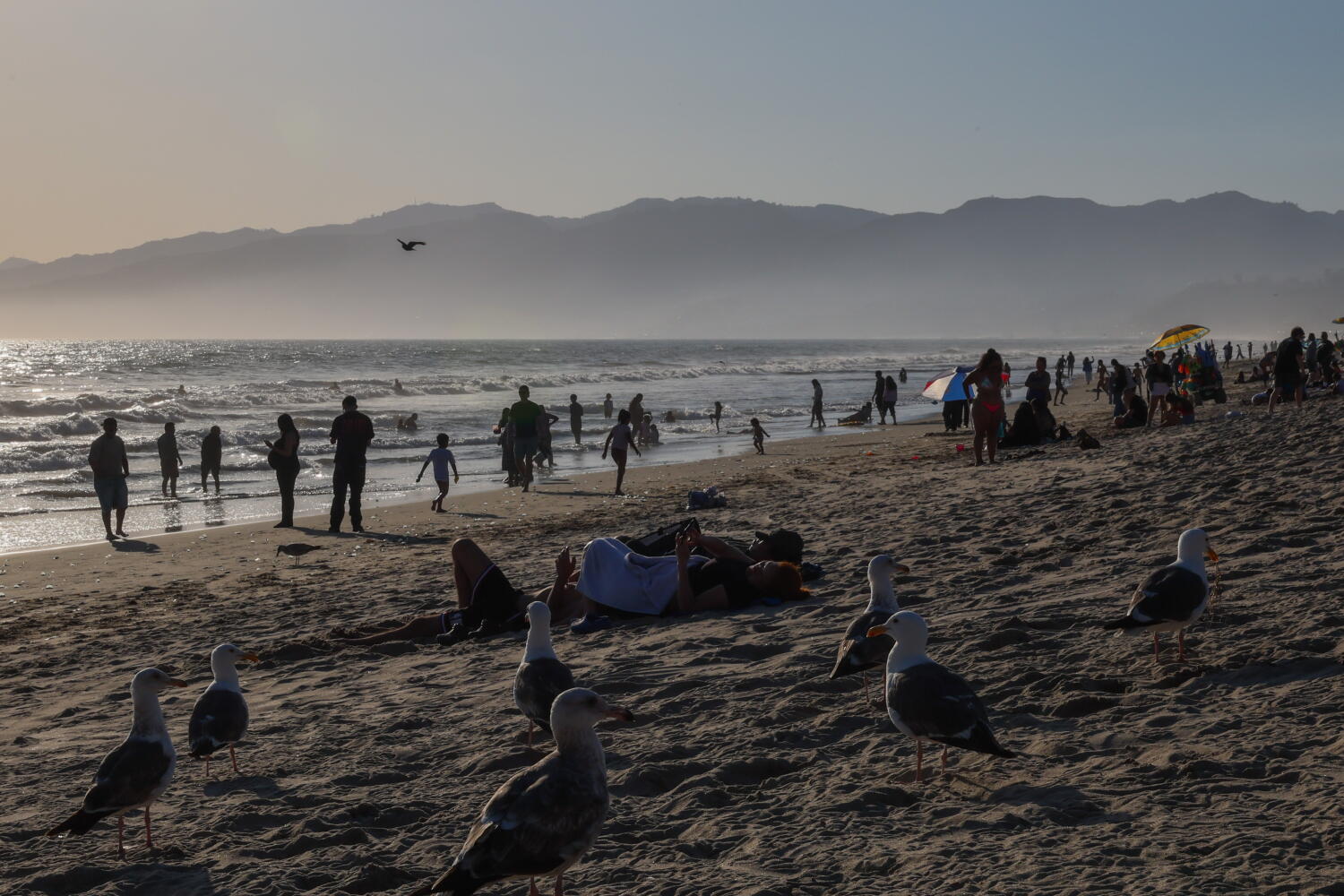
The outrage over Gavin Newsom’s late-session push for a regulatory carve-out for a donor’s Santa Monica housing project misses the real scandal.
Voters are hyperventilating because a developer who dropped over a quarter-million dollars into the governor’s campaign coffers might bypass standard coastal oversight. Critics call it a sellout, a betrayal of the sacred California Coastal Act, and proof that progressive sanctimony is just a mask for backroom dealmaking. They are wasting their breath on the wrong critique.
The real problem is not that Newsom is subverting the Coastal Commission for a crony. The real problem is that the Coastal Commission needed subverting in the first place.
For decades, the state’s premier environmental watchdog has morphed into something entirely detached from its original conservation mandate. It operates less like a shield for pristine shores and more like a tollbooth for the politically connected, an instrument of exclusionary zoning masquerading as ecology. When critics scream that a $350 million project is destroying the integrity of the coast, what they are actually defending is a housing freeze that keeps property values artificially stratospheric and working-class families locked out of coastal job centers.
Let us look at the mechanics of how this system actually functions.
The standard coastal development process is a multi-year bureaucratic endurance test. It requires millions in administrative overhead, endless legal challenges, and cyclical environmental impact reports that weaponize red tape against anything resembling density. Who survives this gauntlet? Not affordable housing advocates. Not grassroots cooperatives. Only massive institutional developers with deep balance sheets and armies of land-use attorneys can afford to play this game. The environmental review process is a moat, and the local homeowners weaponizing it are the feudal lords.
When a governor steps in to bypass that gridlock—even for a donor—he is exposing the fiction of the process. He is demonstrating that the rules only apply when convenient, and that the entire regulatory apparatus is malleable.
The lazy consensus among outraged voters is that if we just elect purists, the system will become fair. That is a fantasy. The California Coastal Act was passed in 1976 with noble intentions, but half a century later, it serves as the primary engine of the state’s housing crisis. By freezing development along urban transit corridors under the guise of protecting viewsheds and coastal scrub, the commission has forced outward sprawl, worsened gridlock, and driven emissions up while patting itself on the back for saving a patch of iceplant.
Imagine a scenario where every single environmental restriction on coastal urban infill is wiped clean tomorrow.
Land values would rationalize. Multi-family housing would rise near job centers. Teachers, firefighters, and nurses might actually afford to live within twenty miles of the Pacific Ocean instead of commuting two hours from the inland empire. The coastal elite who treat the beach as their private backyard museum would have to look at apartment buildings. That is the future the anti-growth lobby fears more than any campaign donation.
Newsom’s maneuver is clumsy, nakedly transactional, and entirely predictable. But the pearl-clutching editorials calling it a "betrayal of our coast" are playing a dishonest game. They want you to believe that the status quo of the Coastal Act is a pristine environmental safeguard rather than a weapon of class segregation.
Stop mourning the integrity of a broken regulatory framework. If a developer has to grease political wheels just to build housing in an urban center next to the ocean, the system is already dead. Newsom didn't sell out the coast. He just showed you who owns the tollbooth.