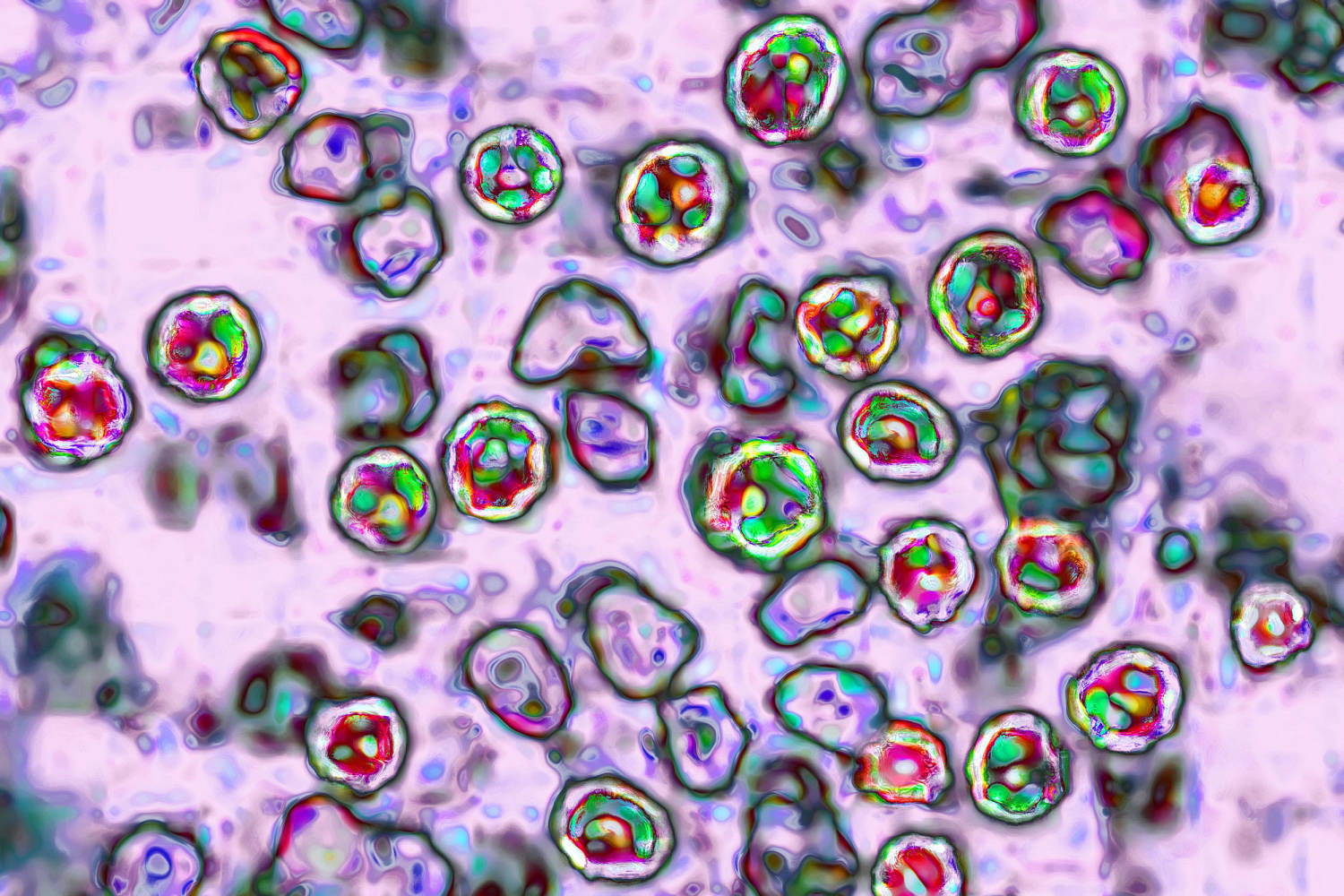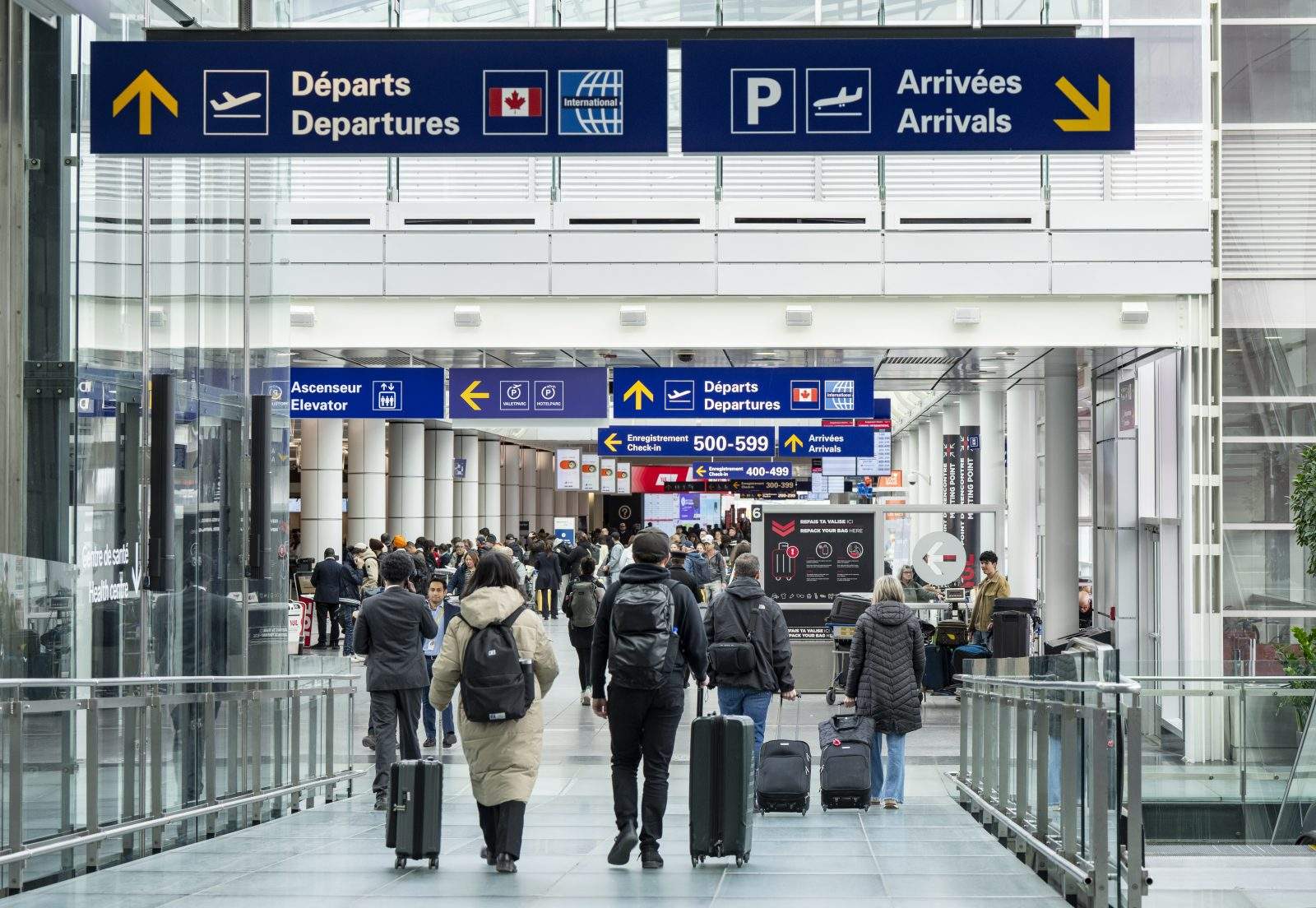
Every time a single traveler passes through a customs terminal carrying a centuries-old virus, the local media script writes itself. Headlines blare warnings about a contagious case of measles at Montreal Trudeau International Airport, emergency rooms issue statements, and public health departments scramble to trace every unfortunate soul who happened to breathe the same recycled air near baggage carousel three.
The lazy consensus treats this as an isolated moral failing of modern mobility or an unavoidable hazard of jet-set culture. It is neither. Treating a measles exposure notification as a shocking breaking news event is a symptom of a systemic collective amnesia. We are acting surprised by the biological reality of an interconnected planet while ignoring the actual breakdown: a population baseline that has traded functional herd immunity for complacency.
Let us look past the sensationalized airport warnings. The real story is not that a child with measles landed in Montreal. The real story is that a vaccine-preventable infection from an era before commercial aviation is finding enough unprotected hosts to trigger public alerts in the first place. Canada lost its official measles-free status because basic public health maintenance eroded under a haze of administrative bureaucracy and cultural fatigue.
The Math of Airborne Reality
Measles is not subtle. It is arguably the most contagious pathogen known to medical science. A single infected person in a terminal can leave viral particles suspended in the air for up to two hours after they have walked out the sliding glass doors. If you are unprotected, sharing a space with that virus is a statistical certainty if the timing aligns.
Yet the public reaction remains fixated on perimeter defense. We treat airports like medieval fortress walls, hoping that a public health advisory poster or a delayed contact-tracing text message will somehow intercept an airborne pathogen. This is security theater of the biological variety. You cannot quarantine an international transit hub without grinding global supply chains and modern civilization to a halt.
The obsession with tracing every passenger who walked through international arrivals misses the forest for the terminal trees. Contact tracing after a measles exposure is a reactive band-aid applied to a gaping wound. By the time public health officials issue a press release warning people who landed on a specific Friday evening, the viral footprint has already dispersed into local neighborhoods, schools, and workplaces.
The Cost of Administrative Drift
How did a disease we effectively eliminated from domestic circulation decades ago make a roaring comeback? We drifted. Public health agencies spent years patting themselves on the back for historical achievements while letting routine immunization rates slip below the critical ninety-five percent threshold required for true community protection.
When administrative bodies rely on passive compliance rather than active, aggressive community engagement, gaps open up. These gaps do not care about your socioeconomic status, your political alignment, or your frequent flyer miles. They simply wait for an exposure event at an arrivals hall to expose the rot beneath the floorboards.
Imagine a scenario where a financial institution operated with the same haphazard record-keeping that local health authorities use to track childhood immunizations. They would be insolvent within a month. Yet when it comes to biological capital, we wait until an outbreak forces our hand, reacting with panic-driven press conferences instead of maintaining a fortified baseline.
What Actually Works
If you want to fix the vulnerability exposed at Montreal Trudeau, stop looking at the baggage claims and start looking at primary care charts.
- Audit your own baseline: Do not guess your immunization status based on vague parental memories. If you were born before 1970, you likely have natural immunity, but anyone else needs verified proof of a two-dose series. If your medical record is a blank page, act accordingly.
- Ditch the panic-trace model: Public health agencies need to pivot away from resource-heavy, low-yield public exposure warnings that rely on citizens remembering where they stood three weeks ago. Shift those resources toward automated, school-and-workplace vaccine verification registries that close immunity gaps before people ever step foot near an airport.
- Accept viral mobility: Globalization means pathogens travel at the speed of a wide-body jet. Pretending we can keep international vectors out by issuing terminal warnings is an exercise in self-delusion.
The next time a headline screams about a measles exposure at a major transport hub, do not waste energy clutching your pearls over the itinerary of the infected traveler. Ask why our immunity baseline was fragile enough to make it news in the first place.
```