Your skin doesn't care that the calendar says it's spring. It cares that the humidity just jumped 20% and the pollen count is high enough to coat your car in yellow dust. Most people make the mistake of sticking with their heavy winter routine for too long, or worse, swapping everything out at once for "brightening" products that just irritate their already sensitive seasonal skin. You don't need a 10-step overhaul. You need a targeted serum that addresses the transition from bone-dry radiator heat to unpredictable spring weather.
I've spent years testing formulas and talking to dermatologists about why skin freaks out in April. The goal isn't just "glowing" skin—that's a marketing buzzword. The goal is a resilient skin barrier that can handle fluctuating temperatures and increased UV exposure without breaking out or turning red.
Why Your Winter Serum is Failing You Now
During winter, you probably relied on thick, oil-based serums to combat the lack of humidity. Now that the air is holding more water, those same products can feel heavy, greasy, and might even clog your pores. Your skin is producing more of its own oil as it warms up. If you keep piling on heavy occlusives, you’re basically asking for a breakout.
Spring skincare is about lightweight hydration and defense. You're dealing with more sun, more pollution from being outside, and seasonal allergens. If your face feels tight but looks oily by noon, your barrier is struggling. Transitioning to a water-based serum with humectants like hyaluronic acid or polyglutamic acid allows your skin to breathe while staying plump.
The Best Face Serums for Spring Skin Problems
If you're looking for the right bottle to grab this month, don't just look at the brand name. Look at the ingredients list. Here are the specific formulas that actually work for the weird "in-between" weather of spring 2026.
The All-Rounder: La Roche-Posay Vitamin C12 Serum
Most vitamin C serums are notorious for being unstable or irritating. This one uses a 12% concentration of pure vitamin C (L-ascorbic acid) paired with salicylic acid. It’s the perfect spring transition product because it brightens the dullness left over from winter while the salicylic acid keeps your pores clear as oil production ramps up. It’s light, absorbs fast, and won’t leave you looking like an oil slick.
For the Red and Irritated: Dr. Loretta Intense Replenishing Ceramide Serum
Spring allergens are a nightmare for sensitive skin. If you’re dealing with redness or itchiness, stop using actives and switch to this. It’s packed with ceramides and lipids that mimic your skin’s natural structure. It basically acts like a security guard for your face, keeping the pollen out and the moisture in. I’ve seen this calm a compromised barrier in less than 48 hours.
The Hydration Heavyweight: The INKEY List Ectoin Hydro-Barrier Serum
Forget basic hyaluronic acid for a second. Ectoin is the ingredient you actually need in 2026. It’s a natural stress-protection molecule that helps skin survive extreme conditions—like 50-degree mornings followed by 75-degree afternoons. This serum is incredibly affordable and feels like absolutely nothing on the skin, yet it keeps you hydrated all day. It’s a no-brainer if you hate the feeling of product on your face.
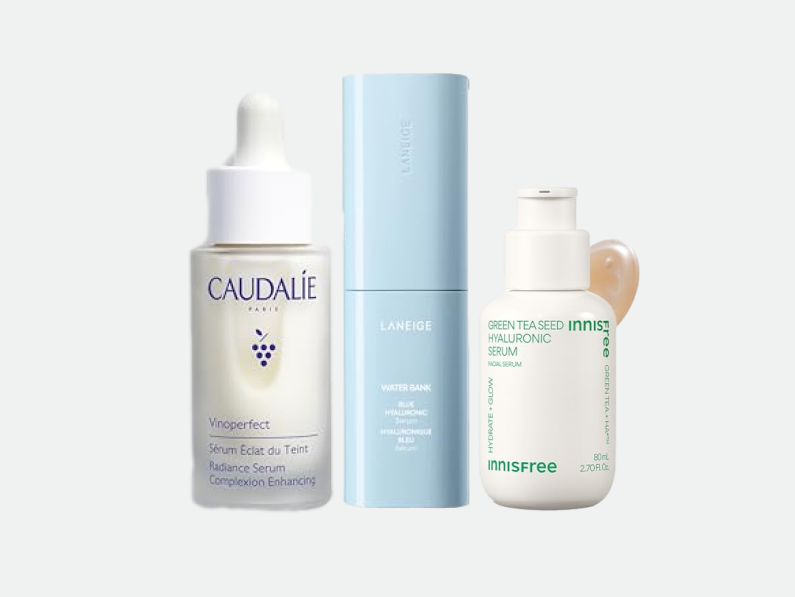
For Instant Bounce: Laneige Bouncy & Firm Serum
If your skin looks a bit "deflated" after months of cold air, this is the fix. It uses a peony and collagen complex to provide immediate visible plumping. It’s great for those days when you didn't sleep enough and need to look alive for a morning meeting. The texture is a dream—gel-like and refreshing, which is exactly what you want when the weather starts to warm up.
The Dark Spot Eraser: Caudalie Vinoperfect Brightening Serum
A lot of people reach for harsh acids to scrub away winter skin. Don't do that. You'll just cause inflammation that leads to more spots. This serum uses viniferine, which Caudalie claims is 62 times more effective than vitamin C for brightening. Whether or not you buy into the exact math, the reality is that it’s incredibly gentle and actually works on sun spots and acne scars without the stinging.
The Ingredients You Should Actually Care About
Ignore the "clean beauty" labels and look for these three things if you want results this season.
- Niacinamide (Vitamin B3): This is the MVP of spring. It regulates oil, calms redness, and strengthens the barrier. It’s in almost everything for a reason.
- Polyglutamic Acid: It holds four times more moisture than hyaluronic acid. If you live in a dry climate where spring still feels like winter, this is your secret weapon.
- Copper Peptides: These help with skin repair. Since we're all spending more time outdoors, your skin needs help recovering from environmental stressors.
Stop Making These Spring Skincare Mistakes
The biggest error I see is people forgetting that their serum and their SPF are a team. If you’re using a brightening serum with vitamin C or AHAs, your skin is more vulnerable to the sun. You cannot use these "spring refresh" products without a dedicated sunscreen. A moisturizer with SPF 15 isn't enough. You need a standalone SPF 50, especially as the UV index climbs.
Another mistake is over-exfoliating. You want to get rid of that "winter gray," but scrubbing your face twice a day with a textured serum will just leave you with raw, sensitive skin that reacts to everything. Stick to a gentle chemical exfoliant no more than three times a week.
How to Layer Your New Routine
Don't just slap everything on and hope for the best. Order matters. Use your thinnest, most watery serums first. If you’re using multiple products, give each one about 30 seconds to sink in.
- Cleanse: Use a gentle, non-stripping cleanser.
- Dampen: Leave your skin slightly damp; it helps humectants work better.
- Active Serum: This is where your Vitamin C or treatment serum goes.
- Hydrating Serum: Layer your Ectoin or Hyaluronic Acid here.
- Moisturize: Use a lightweight water-cream now instead of that heavy winter balm.
- Protect: Finish with SPF. Every single morning.
Check your current stash. If your serums are older than six months, especially Vitamin C, check the color. If it’s turned dark orange or brown, it’s oxidized. It’s not just useless; it can actually cause oxidative stress on your skin. Toss it and start fresh with a formula that fits the current humidity levels.