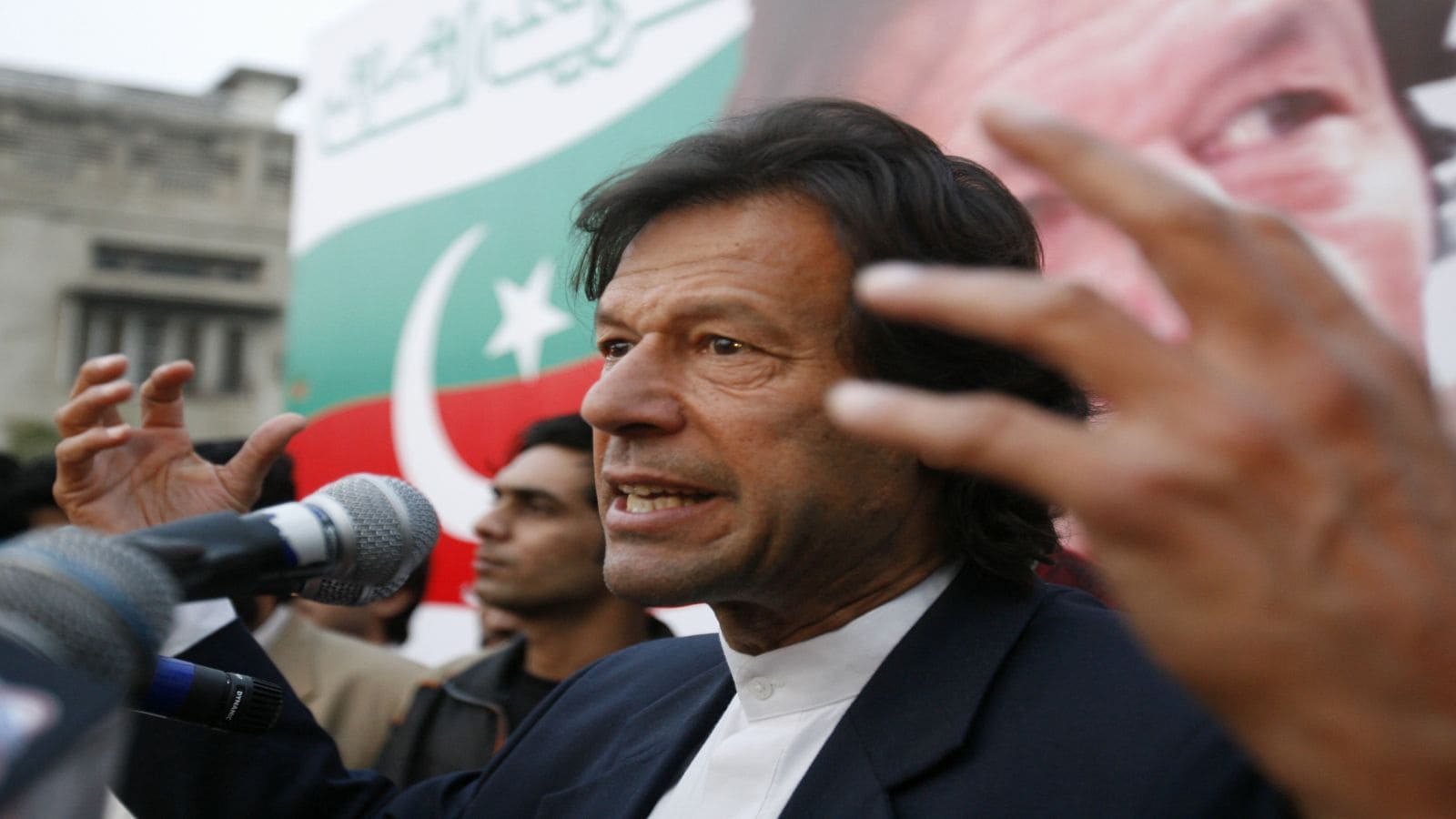
Every few months, internet rumor mills go into hyperdrive with anonymous claims that Imran Khan has died in an isolated prison cell. Journalists cite shadowy sources, social media explodes with panic, and hashtags trend globally before state officials issue flat denials. It is cheap sensationalism. It is also a dangerous distraction from the actual mechanics of political containment happening in broad daylight.
The lazy consensus among regional commentators treats these periodic death scares as the main story. This analysis completely misreads the objective of Pakistan’s military establishment. Physical elimination inside a cell is messy, creates immediate martyrdom, and hands the opposition an unmanageable rhetorical weapon. Dictatorships and powerful security apparatuses do not assassinate high-value political prisoners when they can achieve total neutralization through slow-motion judicial exhaustion and information isolation.
Look at the structural playbook. Imran Khan is not fighting a sudden medical catastrophe or a secret execution; he is battling an institutional assembly line designed to bury him under an avalanche of over 180 legal cases. While the public panics over unverified whispers of mortality, the state quietly piles up convictions—ranging from the multi-year Al-Qadir Trust sentence to severe penalties in state-gift cases. Winning bail in peripheral riots cases means nothing when core sentences remain active on appeal. The establishment does not need to kill a political rival when they can legally anchor him behind bars for decades while controlling every single line of communication to the outside world.
The obsessive focus on whether a rumor is true blinds observers to the deeper reality. The state's true strategy is functional erasure. By locking down prison visits, restricting access to legal teams, and silencing media broadcasts, the goal is to age out the resistance. They want to turn a charismatic mass movement into a distant memory, reducing a populist leader to a silent prisoner whose voice no longer reaches the streets.
People ask whether mass street protests can force the government's hand or if health crises will prompt an emergency medical exile like past premiers achieved. This frames the dilemma entirely through historical templates that no longer apply. Previous leaders cut deals, took exile, and waited out terms because the political calculus allowed for negotiated exits. Imran Khan’s refusal to compromise has broken that traditional script, leaving the establishment with no appetite for a deal and the opposition trapped in a cycle of reactive street friction that rarely shifts institutional boundaries.
Real political analysis requires looking past the viral panic and examining the balance of institutional power. The military holds the cage keys, controls the courts of appeal, and manages the information flow. Waiting for a dramatic crisis or a sudden prison demise misses the point entirely. The real tragedy is not a sudden end behind bars, but a calculated, systemic silencing executed in plain sight.