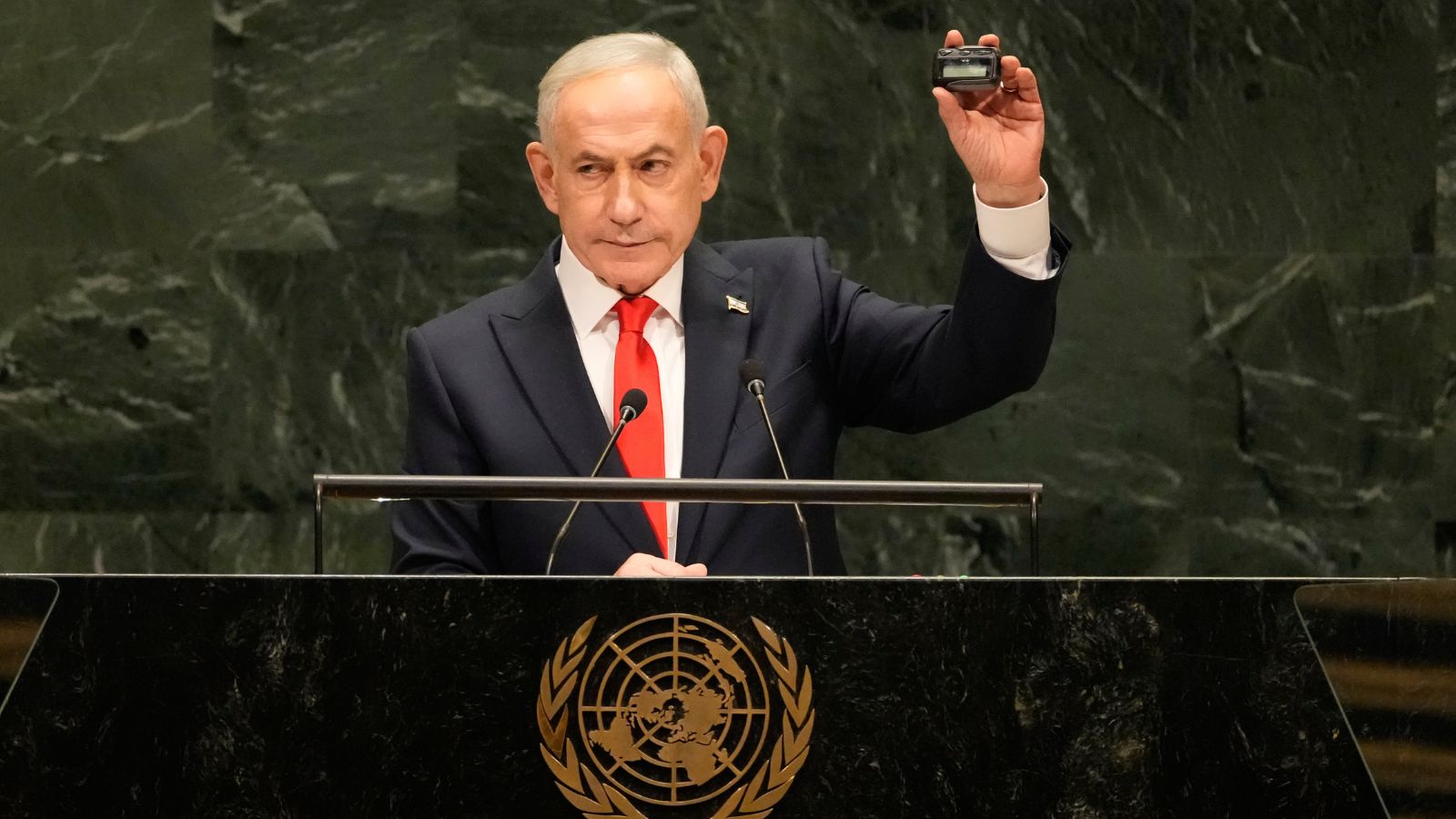
Every autumn, the international relations commentariat dusts off its collective mourning clothes, parks itself in Manhattan, and weeps over the corpse of global governance. The ritual is predictable. Four speeches hit the General Assembly podium, pundits wring their hands over an unfinished vision, and opinion columns lament that the United Nations is failing to meet the moment.
Let us stop pretending. Recently making news lately: Why Treating Wildlife Like Emergency Room Patients is Ruining Cities.
The UN is not failing to meet the moment because it has lost its way. It is meeting the exact mandate it was built for: theatrical paralysis designed to comfort diplomats while sovereign states do whatever they want anyway.
The lazy consensus holds that if we could just reform the Security Council, expand veto power, or elect a visionary Secretary-General with enough moral clarity, the machine would finally work. This is a fairy tale told by people who have never had to manage a balance sheet or deploy a battalion. The structural design of the institution is not a bug; it is the entire product. Further insights regarding the matter are covered by USA Today.
I have sat in back rooms where foreign ministries draft resolutions knowing full well they will be vetoed forty seconds after hitting the floor. The point was never the text. The point was the performative grievance.
The Dangerous Myth of Global Consensus
Consider the core premise of modern multilateralism: that nations with completely incompatible economic models, domestic political survival instincts, and territorial ambitions can sit in a gilded hall in Turtle Bay and negotiate away their differences through polite speechmaking.
It is diplomatic malpractice to believe this.
When major powers clash, the UN becomes a megaphone for propaganda rather than an engine for peace. That is not a malfunction. The moment the organization attempts to enforce a binding moral or military consensus against a nuclear-armed state, it shatters. We saw it in the League of Nations, and we see it now. Pretending that the fourth or fortieth speech by a beleaguered world leader will somehow unlock a cooperative utopia is a form of collective Stockholm syndrome.
Look at the arithmetic of the General Assembly. You can assemble a two-thirds majority vote condemning a state, and tomorrow morning, that state will drill for oil, sign a bilateral defense pact, or annex territory without losing a single hour of sleep. Resolutions without teeth are just expensive stationery.
Sovereignty Beats Bureaucracy Every Single Time
The architects of post-war international law wanted to believe that the nation-state was a receding historical error. They built a bureaucracy predicated on the idea that national borders would eventually soften into administrative zones under a benevolent global umbrella.
That theory died the day the Berlin Wall fell, and it was buried deep during every subsequent regional conflict where great powers chose self-interest over collective security.
Sovereignty is not an ideology you can vote away with a General Assembly resolution. It is the raw, unyielding currency of power. When a state faces an existential threat, it does not consult a UN charter article; it consults its military command structure.
To call the UN's vision "unfinished" implies that there is a blueprint sitting in a desk drawer in Geneva waiting for the right foreman to complete it. There is no blueprint. There is only a permanent arena where rival nations wrestle for leverage. The speeches given on that podium are not policy proposals; they are domestic political theater broadcast in English, French, and Arabic.
The Real Cost of Institutional Nostalgia
Clinging to the fantasy of a unified global order is not just naive; it is dangerous. It creates a moral hazard.
When international bodies pretend they can manage a crisis, regional powers and alliances outsource hard security thinking to an organization that possesses zero battalions, zero tax revenue, and zero independent intelligence infrastructure. Governments use the UN as an alibi for inaction. They pass a toothless condemnation, pat themselves on the back, and go home while humanitarian catastrophes grind on unchecked.
If you want to understand how security actually works, look away from Manhattan and look at bilateral supply chains, intelligence-sharing agreements, localized deterrence, and hard-nosed transactional diplomacy. Peace has never been maintained by committee. It is maintained by an equilibrium of power and the credible threat of consequence.
We do not need another blue-ribbon panel to study how to revitalize multilateralism. We need to accept that the post-war order is gone, that nation-states play to win, and that treating a talking shop like a global government is a luxury we can no longer afford.
Stop waiting for the UN to finish its vision. The vision was a mirage from day one.