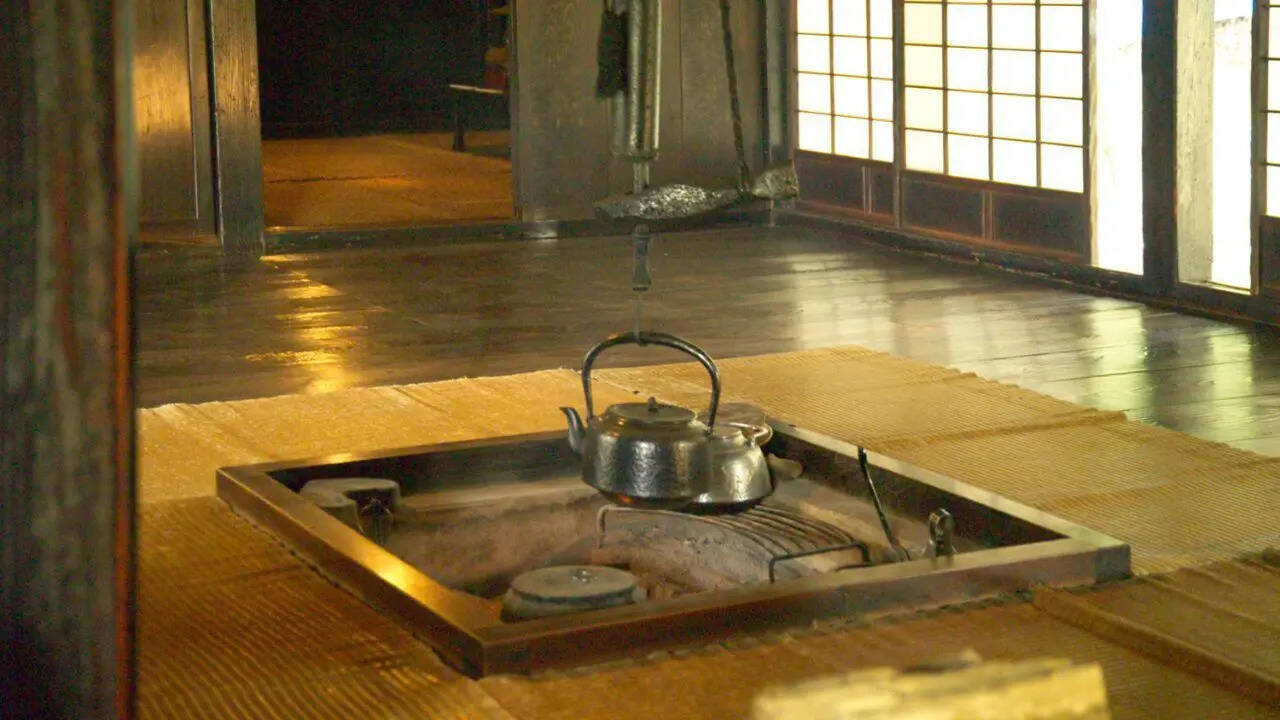
Western media loves a good ruin-porn story, and Japan akiya—the millions of so-called "ghost houses" littering the countryside—are the current favorite. Every month, a fresh batch of articles drops with sensational headlines about a nation hollowed out by demographic collapse, warning that these abandoned structures are a ticking economic time bomb.
They are wrong. They are looking at the data upside down.
The Western obsession with Japan housing market stems from a fundamental misunderstanding of asset depreciation. In North America and Europe, property is a wealth-building vehicle. You buy a house, hold it, maintain it, and expect the structure itself to appreciate. In Japan, a house is a consumer durable. It is an iPhone on a foundation. It depreciates to zero value in about 22 to 30 years, leaving only the value of the land beneath it.
The rise of akiya is not a tragedy. It is the natural, efficient purging of obsolete inventory from a hyper-functional real estate market.
The Flawed Premise of the Ghost House Panic
The standard narrative argues that Japan tax laws and shrinking population have created a crisis where property owners abandon homes because it is cheaper than tearing them down. Critics point to the Nomura Research Institute data showing that over 14% of Japan residential stock sits empty, warning that this surplus will drag down the world's fourth-largest economy.
Let’s dismantle that premise.
When you strip out the sensationalism, you find that the vast majority of these millions of empty homes are completely irrelevant to the modern economy. They are located in dying rural villages (genkai shoraku) where there are no jobs, no infrastructure, and no economic reason for anyone to live.
Western analysts look at a vacant house in rural Shimane prefecture and ask, "How do we fix this?"
The correct, brutal answer is: You don’t. You let it rot.
Attempting to preserve these structures is an exercise in sinking good money after bad. Having spent over a decade analyzing real estate asset allocation across Asia, I have watched foreign investors lose hundreds of thousands of dollars trying to flip cheap rural akiya into boutique vacation rentals. They fail because they treat an asset with zero demand as if it just needs a coat of paint.
The 30-Year Expiration Date: Why Japanese Homes Are Built to Die
To understand why empty houses do not matter in Japan, you have to understand the construction philosophy. Post-war Japan faced an acute housing shortage. The government incentivized cheap, rapid, prefabricated construction. These homes were never meant to last for centuries like a London townhouse or a Parisian apartment block.
Furthermore, building codes in Japan are constantly updated to survive seismic realities. Major overhauls in 1981 (Shin-Taishin) radically changed earthquake resistance standards.
Imagine a scenario where a family inherits a rural home built in 1975. The structure is seismically unsafe by modern standards. It is insulated poorly, meaning it freezes in the winter and bakes in the summer. It contains outdated plumbing and wiring. To bring this home up to modern living standards would cost more than building a brand-new house from scratch.
Therefore, the rational economic decision is to abandon it. The building has reached the end of its useful life. In Japan, a house is disposable.
| Feature | Western Real Estate Model | Japanese Real Estate Model |
|---|---|---|
| Primary Value Driver | Structure + Land appreciation | Land value only; structure depreciates to zero |
| Asset Lifecycle | 80–150+ years (with maintenance) | 22–30 years (expected demolition/rebuild) |
| Market Velocity | High friction, low turnover of structures | Low friction for new builds, high demolition rate |
| Consumer Sentiment | Desires historic, "charming" properties | Desires pristine, newly constructed (shinchiku) homes |
When the structure hits zero value, the property becomes an akiya. It is not a sign of systemic failure; it is the garbage disposal of the housing market doing its job.
Dismantling the People Also Ask Myths
The internet is filled with terrible advice and misconceptions regarding this market. Let’s correct the record with some cold reality.
Can foreigners buy an akiya for $500 and move to Japan?
No. The viral stories of foreigners buying a beautiful country home for the price of a laptop omit the hidden math.
First, the registration taxes, judicial scrivener fees, and local property taxes instantly multiply that baseline cost. Second, renovation costs routinely run into the tens of thousands of dollars because local contractors charge a premium for remote sites.
Most importantly, buying property does not grant you a visa. Japan does not have a golden visa program tied to real estate investment. You cannot buy a derelict shack in the mountains and legally live in it full-time unless you already possess a valid work, spouse, or long-term resident visa.
Why doesn't the government just give these homes to young families?
They try. Many municipalities run "Akiya Banks"—databases matching empty homes with young couples.
They are largely a failure. Young Japanese families do not want them.
The younger generation is moving to Tokyo, Osaka, and Fukuoka. They want convenience, proximity to train stations, and modern seismic engineering. Forcing a young family to live in a decaying, uninsulated home two hours from the nearest hospital just to lower a statistical vacancy rate is bad social policy and worse economics.
The Tokyo Paradox: Where the Panic Completely Evaporates
If the akiya crisis were truly an existential threat to Japan, you would see it crippling the core economic engines of the country. But look at Tokyo.
Tokyo’s population has grown consistently for decades, even as the rural regions emptied out. Because Japan lacks the restrictive zoning laws that paralyze Western cities like San Francisco or New York, Tokyo builds houses at a staggering rate. In a typical year, the city of Tokyo starts more new housing units than the entire United Kingdom.
[Tokyo New Housing Starts]  --------> High Supply = Affordable Housing
[London/NY Zoning Restrictions] ----> Low Supply = Housing Crisis
This constant influx of new, safe, affordable housing is only possible because the market views older structures as obstacles rather than historic treasures. The willingness to demolish and rebuild keeps Tokyo dynamic and affordable.
The empty houses in the countryside are the necessary exhaust of this system. You cannot have a hyper-efficient, affordable urban housing market without allowing the obsolete rural inventory to clear out.
The High Cost of the Contrarian Reality
Adopting this view means accepting a harsh truth: parts of Japan are simply returning to nature.
There is an aesthetic and emotional cost to this. Historic hamlets are vanishing. The traditional thatched-roof farmhouses (minka) are rotting into the soil. For the romantic tourist, this feels like a loss.
For the local municipality, it is a logistical headache. Overgrown plots can become fire hazards or breeding grounds for pests. The Japanese government has recognized this, passing laws that make it easier to track down missing heirs and penalize those who leave dangerous structures standing.
But these regulatory tweaks are designed to manage the cleanup, not reverse the trend. The goal is to bulldoze the dead inventory, not resurrect it.
Stop Trying to Save Every House
The Western urge to intervene and preserve every square foot of built environment is a luxury born of artificial scarcity caused by bad zoning. Japan does not suffer from this delusion.
If you are looking at Japan housing market for investment opportunities, stay away from the rural fringes. Focus on the urban cores where land value remains resilient.
If you are an observer trying to understand the macroeconomic health of the nation, stop counting the empty shacks in the mountains of Tohoku. They are noise. They are the discarded wrappers of a society that consumed its housing stock, outgrew its rural geography, and moved on.
Let the ghost houses rot. The modern Japanese economy does not need them, and neither do you.