The internet treats the death of a thirty-three-year-old actor like a personal robbery. When Carla Jeffery passed away, the digital machine instantly whirred into motion, churning out the same recycled grief tropes, the same sanitised PR statements from talent agencies, and the same performative mourning from people who wouldn't have recognized her on the street outside her Disney-adjacent bubble.
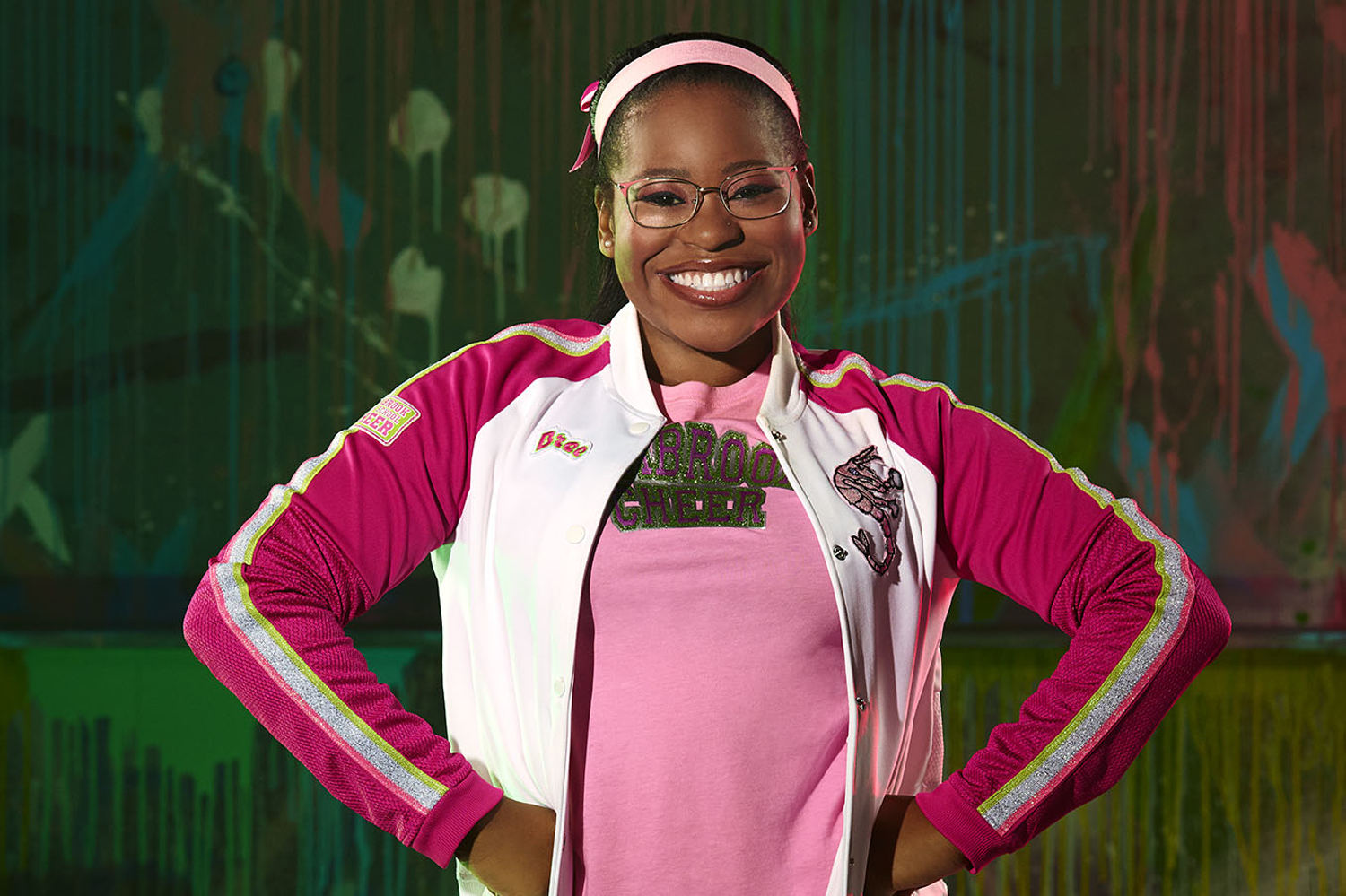
The lazy consensus is that we owe these performers our eternal, parasocial heartbreak. We are told to weep because she played the bubbly cheerleader Bree in a franchise about singing ghouls. We are fed curated text message screenshots and solemn Instagram tributes as if the consumption of a media product grants us a front-row seat to a human being's actual private agony.
Let's strip away the sentimentality. The media coverage surrounding Jeffery’s death follows a grotesque, predictable script. First, report the age—thirty-three—to maximize the shock value of youth cut short. Second, omit the cause of death while the family scrambles to keep coroners and vultures at bay. Third, invite the peanut gallery online to wildly speculate, spread drug rumors, and read tea leaves into goodbye messages.
This isn't empathy. It's digital ghoulishness disguised as fandom.
We need to talk about the toxic contract between child actors, the entertainment machine, and an audience that demands perpetual youth. Jeffery started working at twelve years old. She booked roles in Phat Girlz, notched ten episodes of Curb Your Enthusiasm, and survived two decades in an industry that chews up minor-league talent and spits them out before they can rent a car without a corporate surcharge. That is a brutal grind. It requires a level of psychological armor that most adults cannot fathom, letwise kids growing up under studio lights.
Yet the public narrative reduces a twenty-year career down to three Disney Channel movies and a handful of guest spots. Fans demand that actors remain frozen in amber as the characters they played when they were twenty-five. When real life—messy, painful, biological, or psychological—intervenes, the audience acts shocked that the people behind the screen were mortal all along.
The reflexive rush to post a black-and-white photo with a caption about "a bright light" serves one primary purpose: it makes the poster feel relevant to a trending topic. It is grief tourism. If you watched Zombies, you consumed a product manufactured by a multi-national conglomerate. You did not know Carla Jeffery. You knew a character engineered to sell lunchboxes and streaming subscriptions. Conflating the two is an epidemic of modern media consumption.
Look at how the machinery immediately protects itself. Management agencies rush to control the PR narrative. Tabloids run interference. Everyone wants to own the narrative of a tragedy before the autopsy results even hit the desk. Meanwhile, real people—siblings, actual friends, family members who don't have a publicist—are left to deal with the wreckage while millions of strangers treat a real person's final exit like an interactive soap opera.
Stop pretending public mourning equals character. Stop weaponizing grief for retweets. If a human being dies at thirty-three, the correct response isn't a performance of grief for an audience of strangers. The correct response is silence, privacy, and an acknowledgment that the entertainment industry is a meat grinder that extracts decades of labor out of people before casting them aside.
The tragedy isn't just that a young woman died. The tragedy is that her death became content before her body was even cold.