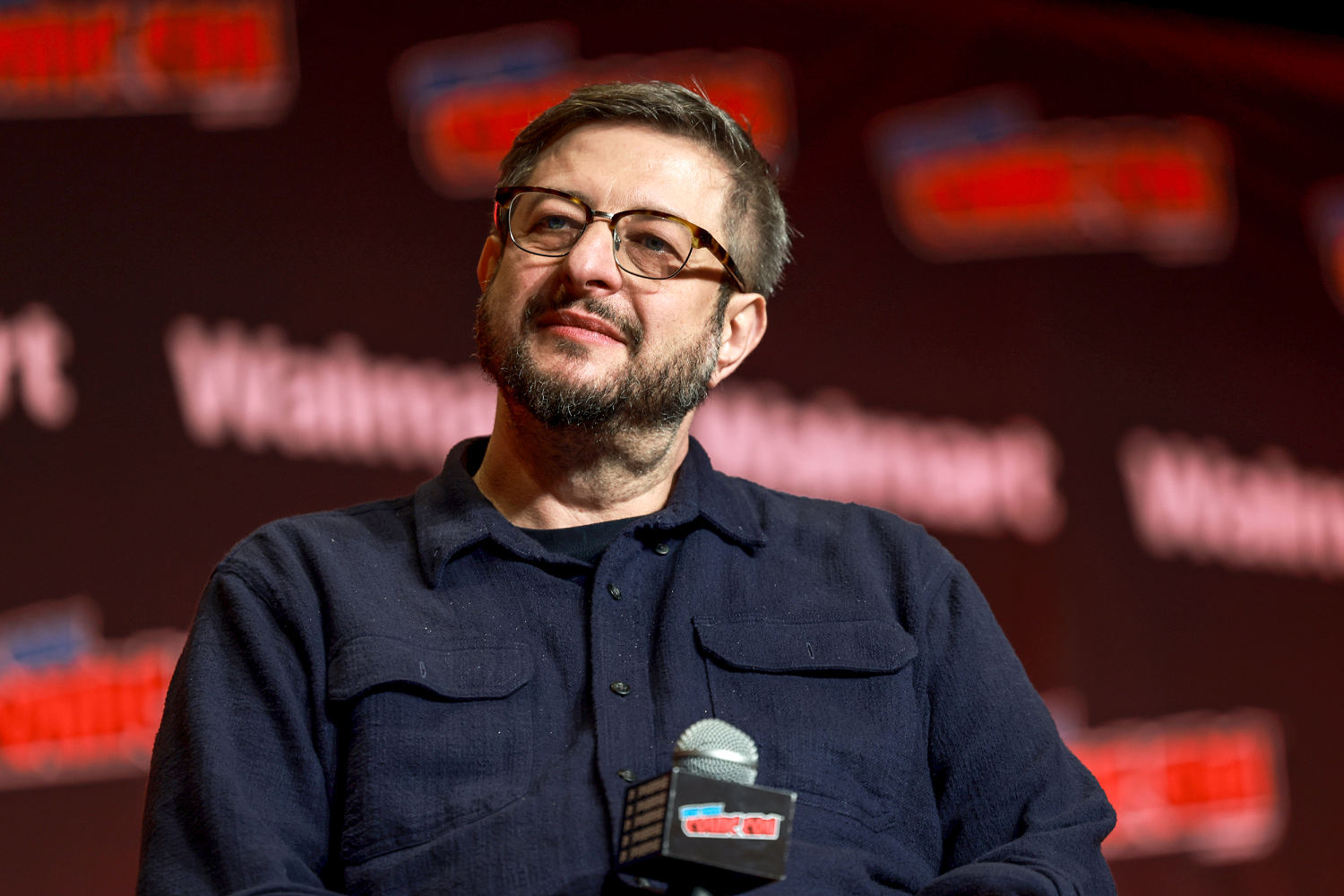
The modern news cycle has a parasitic obsession with the celebrity near-death experience. When Eugene Mirman—the voice of Gene Belcher and a pillar of the alternative comedy scene—walked away from a harrowing vehicle fire, the media did exactly what it always does. It pivoted to a narrative of "miraculous survival" and "heartfelt gratitude." They want you to focus on the flames. They want you to feel the vicarious adrenaline of a narrow escape.
They are missing the point entirely.
The obsession with the physical safety of our performers masks a much more dangerous rot in the industry. While we obsess over whether a comedian survived a literal wreck, we ignore the fact that the medium they inhabit is currently a metaphorical pile of twisted metal. Mirman isn't just an actor; he’s a symbol of a dying breed of independent creative thought that is being suffocated by algorithmic safety. We should be less worried about his car and more worried about the sanitized, risk-averse environment that's turning unique voices into predictable assets.
The Myth of the Relatable Survivor
Every outlet covering the crash framed it through the lens of "The Human Side of Hollywood." This is the oldest trick in the public relations handbook. By focusing on a star's brush with mortality, the industry humanizes people who are otherwise shielded by layers of agents, publicists, and non-disclosure agreements.
It’s a distraction.
We don't need comedians to be relatable survivors of traffic accidents. We need them to be dangerous. Not physically dangerous—Mirman is famously one of the kindest people in the business—but intellectually volatile. The "lazy consensus" suggests that a celebrity's personal safety is our primary concern. In reality, the audience's primary concern should be the commodification of the "alt-comedy" brand. Mirman’s survival is a relief, yes, but the celebratory tone of the coverage feels like a victory lap for a system that thrives on superficial engagement rather than the radical, absurdist humor Mirman helped pioneer at venues like Union Hall.
Why the Comedy Industry Prefers a Crisis to a Critique
Imagine a scenario where a comedian spends ten years dismantling the absurdity of corporate bureaucracy through performance art. Now, imagine that same comedian gets into a fender-bender. Which one gets more clicks?
The industry chooses the crash every single time.
This preference reveals a terrifying truth: the "Entertainment" category has become a subset of "Safety and Compliance." The press would rather discuss the structural integrity of a Tesla or a SUV than the structural integrity of a sitcom that has run for over a dozen seasons. Bob's Burgers is a masterpiece of character-driven humor, but the conversation surrounding its cast has drifted toward the mundane. When we treat a car crash as the most interesting thing to happen to a creator, we are effectively saying that their work is no longer capable of shocking us.
I have seen talent agencies spend more time on "crisis management" for a minor traffic incident than they spend on nurturing a writer’s most experimental ideas. They prioritize the "brand's" physical continuity because a dead or injured actor is a liability to the production schedule. This isn't empathy. It’s inventory management.
The Algorithmic Death of the Absurd
Eugene Mirman made his name by being weird. He once bought a full-page ad in a newspaper to complain about a $15 parking ticket. That is the kind of beautiful, localized insanity that fueled the mid-2000s comedy boom.
Today, that brand of humor is being squeezed out by the "landscape" of streaming—wait, scratch that—it’s being strangled by the demand for "universal appeal."
The "People Also Ask" sections on search engines want to know if Eugene Mirman is okay. They want to know the make and model of the car. These are the wrong questions. The right question is: Why is the industry so terrified of the next Eugene Mirman?
The current system is designed to find a "safe" version of absurdity. They want the quirk without the friction. They want the voice of Gene Belcher, but they don't want the confrontational energy of a comic who might actually challenge the platform paying his salary. When we celebrate a comedian "speaking out" after a crash, we are participating in a performative ritual that reinforces the status quo. We are applauding them for being alive, while the industry slowly kills the conditions that allowed them to be original in the first place.
The Professionalism Trap
There is a creeping demand for comedians to be "professional" in a way that is antithetical to the craft. "Professionalism" in 2026 means having a clean social media history, a high Q-score, and the ability to navigate a press junket without saying anything that might offend a stakeholder in a foreign market.
This is the real wreckage.
We are training the next generation of performers to be brand ambassadors first and artists second. Mirman’s career was built on the back of the "Invite Them Up" shows—spaces where failure was not just an option, but a requirement. If you aren't failing, you aren't trying. But in the modern media economy, a "failure" is a PR nightmare. A car crash is a manageable narrative; a joke that misses the mark and triggers a boycott is a corporate catastrophe.
Stop Looking at the Smoke
The fire that consumed Mirman’s car was a physical event. It was dramatic, visual, and easily digestible. But the fire consuming the creative independence of the comedy world is invisible, and therefore, ignored.
We see the same patterns in every sector of entertainment. A celebrity has a health scare or an accident, and the collective "we" rushes to offer thoughts and prayers. This collective empathy is a cheap substitute for actual engagement with their work. If you truly care about a creator like Mirman, stop reading about his insurance claims and start supporting the venues that allow comics to be unpolished, weird, and genuinely "alt."
The "nuance" the competitor missed is that Mirman’s survival shouldn't be a feel-good story about a lucky escape. It should be a wake-up call about how little we actually value the intellectual lives of our performers. We treat them like high-value machinery. When the machine breaks, we panic. When the machine works perfectly but produces nothing but recycled content, we stay silent.
The Actionable Truth
If you want to save comedy, stop clicking on celebrity trauma.
- Ignore the "Update" articles: If the headline includes the words "speaks out" or "breaks silence" after a personal tragedy, it is a content farm seeking to monetize a reflex.
- Fund the friction: Go to a basement show where the headliner is someone you’ve never heard of. Support the people who haven't been "sanitized" for a streaming platform yet.
- Demand more than survival: Expect your favorite creators to do more than just exist and collect a paycheck. Demand that they remain as weird as they were before they became household names.
The industry wants you to be happy that Eugene Mirman is safe. And you should be. But don't let that relief blind you to the fact that the comedy world is becoming a very safe, very boring place. The fire in the car was extinguished. The fire in the art form is barely a flicker.
Quit worrying about the actor’s health and start worrying about the health of the culture that turns a car wreck into a headline while ignoring the death of originality.
Go watch a set that makes you uncomfortable. Buy a ticket to something that hasn't been "optimized" for your demographic. Stop being a spectator to a celebrity’s life and start being a patron of their actual craft.
The crash is over. The boring reality of corporate entertainment is what you should really be afraid of.