Every international relations desk in the global media is currently hyperventilating over Islamabad launching yet another shuttle diplomacy cycle to salvage what is left of American-Iranian communication. The lazy consensus claims that middle powers like Pakistan can bridge the grand ideological chasm, reopen the Strait of Hormuz, and reconstruct a broken memorandum of understanding through sheer administrative persistence.
This narrative is a comforting fairy tale written for people who mistake motion for momentum. You might also find this connected article useful: Why the Latest Shutdowns in Balochistan Hit Everyday Life So Hard.
The Structural Illusion of Middle Power Mediation
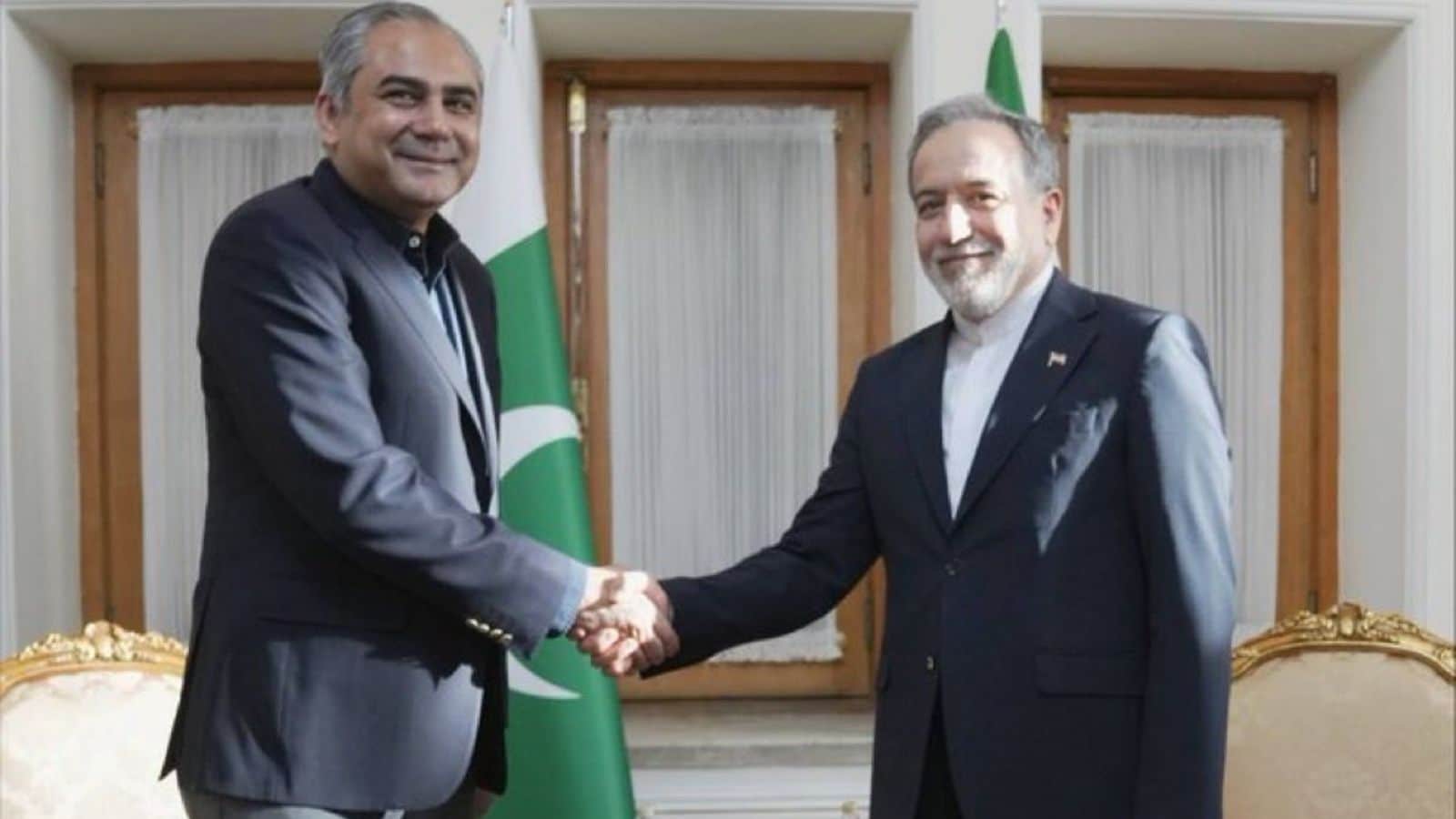
When Interior Minister Mohsin Naqvi flies to Tehran for unannounced meetings, pundits treat it as a masterclass in regional stabilization. Let us look past the official press releases and examine the raw mechanics of modern statecraft. Mediation only works when both primary antagonists possess an overlapping zone of possible agreement. Right now, Washington and Tehran do not just disagree on policy; they occupy entirely different operational realities.
Washington operates under the assumption that maximum pressure backed by naval blockades and targeted strikes will eventually force a cash-strapped regime to surrender its nuclear infrastructure and accept external maritime policing. Tehran operates under a hardened survival doctrine where capitulation equals total state collapse, rendering economic pain a secondary variable compared to regime preservation. As discussed in detailed coverage by TIME, the implications are worth noting.
When a mediator tries to bridge two parties whose core objectives are mutually terminal to one another, the mediator is not conducting diplomacy. They are performing theater.
Why the Islamabad Framework Was Dead on Arrival
The much-touted diplomatic architecture, including the early summer framework, suffered from a fatal flaw that professional analysts refuse to say out loud: neither side has internal domestic stability sufficient to honor long-term concessions.
Imagine a scenario where Iranian leadership signs an agreement freezing uranium enrichment for twenty years in exchange for sanctions relief. Within forty-eight hours, hardline factions within the security apparatus—now heavily consolidated under new military appointments—would characterize the move as treasonous weakness. Conversely, any American administration that signs an accord leaving domestic uranium stockpiles partially intact faces immediate, ferocious legislative backlash branded as appeasement.
Islamabad cannot negotiate away domestic political survival for either Donald Trump or the Iranian leadership. Asking a third-party state to align these irreconcilable domestic vectors is like asking a weather vane to stop the wind.
The Real Cost of Endless Shuttling
Diplomatic busywork carries an invisible price tag. Every week spent pretending that an unannounced ministerial visit can bypass the fundamental deadlock in the Persian Gulf is a week where maritime commerce remains choked, energy prices climb, and regional proxies continue their kinetic exchanges in the Red Sea.
The core error is treating this crisis as a communication breakdown. It is not a failure to talk; it is a profound clash of vital interests. Tehran demands compensation for infrastructure damage incurred during recent military strikes, while Washington demands compensation right back, turning peace talks into a litigious neighborhood property dispute backed by aircraft carriers.
The Uncomfortable Truth About Regional Spoilers
We must confront the reality of regional mechanics. Pakistan has valid bilateral interests in stopping the spillover of this war—especially given casualties on merchant vessels and the constant threat of economic shockwaves. But sincere intentions do not equal structural leverage.
If you want to understand why these mediation efforts continually stall after initial handshakes in secure conference rooms, stop looking at the capital cities hosting the talks. Look instead at the chokepoints, the naval blockades, and the absolute refusal of both primary belligerents to pay political costs at home for stability abroad.
Stop waiting for a diplomatic rabbit to be pulled out of a diplomatic hat. There is no rabbit. There is only an unyielding structural gridlock, and no amount of air miles flown by visiting ministers will alter the math.