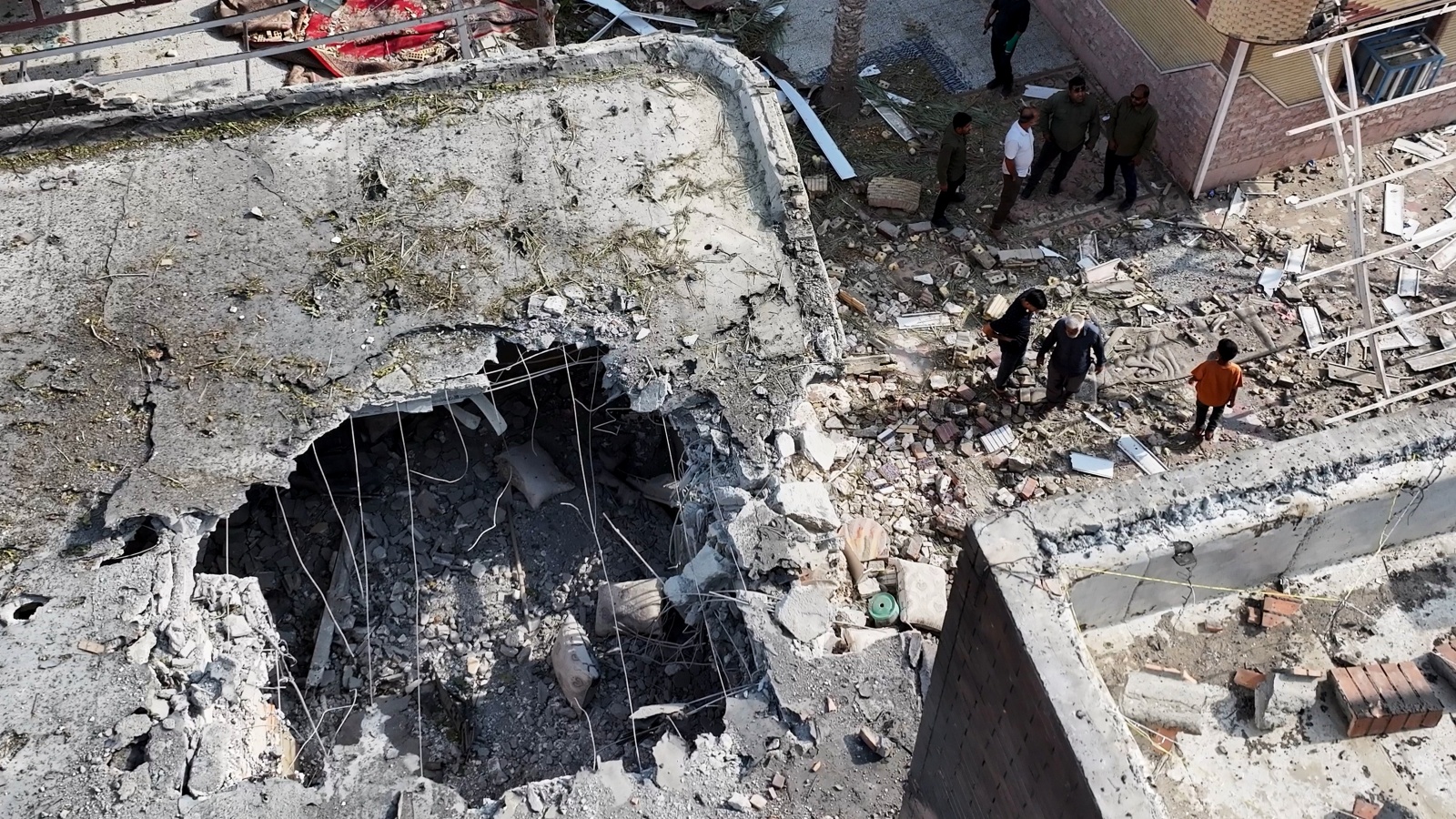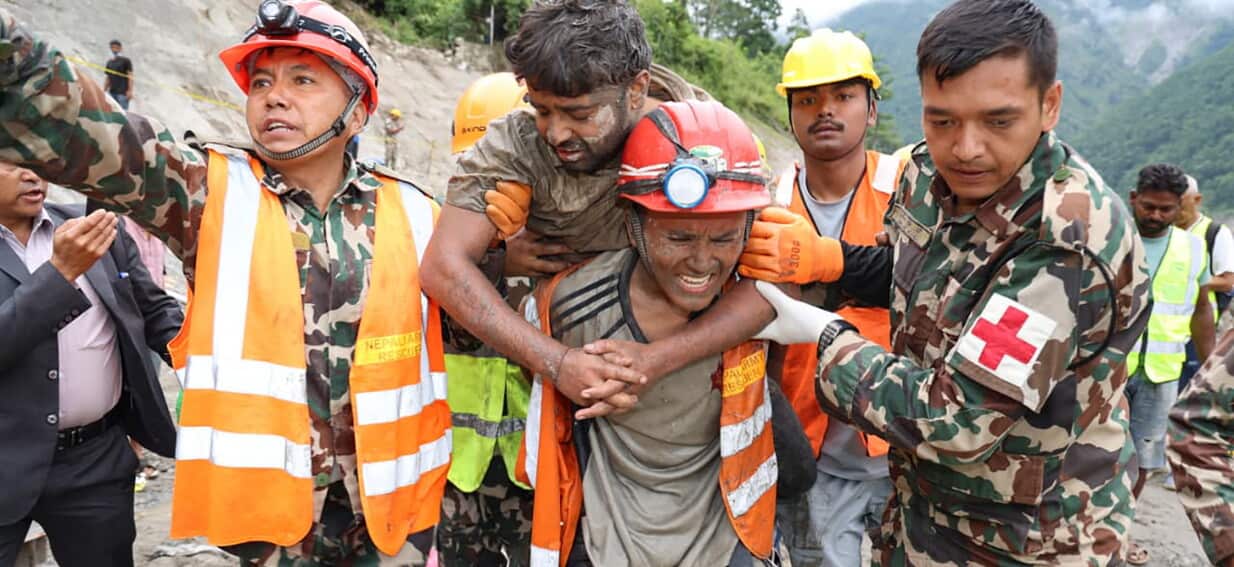
Another disaster hits the Himalayas, another media cycle screams about freak ice-rock avalanches and biblical floods. The mainstream press points to the skies, counts the climbing rows of corpses, tracks the thousands still vanishing into the mud, and calls it a tragic act of uncontrollable nature.
They are wrong. If you liked this article, you might want to check out: this related article.
Blaming climate variability or unexpected glacial triggers for a twelve-hundred-plus death toll is an intellectual cop-out. It lets policy-makers, zoning boards, and hydro-engineering consortiums off the hook. What happened along the Bhotekoshi and Trishuli river corridors is not merely a natural hazard. It is a man-made design failure compounded by decades of institutional negligence and structural hubris.
The Geography of Denial
Look past the shock value of the casualty numbers. For years, planners have treated the fragile, young Himalayan mountain system like a concrete-friendly flatland. Hydropower projects, tourist outposts, and permanent settlements are crammed into narrow gorges carved by hyper-dynamic river systems. For another perspective on this development, see the recent coverage from USA Today.
When an ice-rock avalanche or an intense monsoon cloudburst hits upstream, it acts as a stress test for structural common sense. We are not experiencing a sudden anomaly; we are witnessing the entirely predictable result of building high-density infrastructure inside active debris-flow paths.
Industry experts love to talk about "unprecedented events." Let us define terms precisely. An event is only unprecedented if your historical data collection is lazy and short-sighted. Geologists studying the Tibetan Plateau and the Himalayan arc have documented glacial lake outbursts and catastrophic slope failures for generations. Pretending this specific disaster came out of nowhere is a defense mechanism for bad engineering.
The Bureaucracy of Recovery vs. Prevention
Every time a valley gets wiped out, the emergency playbook rolls out like a predictable script. Relief packages are announced, neighboring countries send teams, and families resort to symbolic funeral rites using kusha grass because their loved ones are permanently buried under tons of slurry.
Then everyone waits for the next disaster.
Governments pour capital into post-disaster rehabilitation instead of pre-disaster relocation. Offering small business loans and economic packages after an entire community is erased by a flash flood is like rearranging deck chairs on a sinking freighter. Why are we subsidizing reconstruction in high-risk floodplains?
Imagine a scenario where disaster relief funds were legally bound to pre-emptive relocation. If governments redirected 80 percent of post-disaster aid budgets into mandatory zoning restrictions and upstream early-warning telemetry networks tied directly to automated evacuation alarms, casualty lists would plummet by orders of magnitude. Instead, capital chases the tragedy, rewarding risky settlement patterns with fresh concrete.
The Engineering Hubris
I have seen infrastructure projects rushed through hazard zones across mountainous developing regions where safety margins are trimmed to satisfy short-term energy demands. Tunnels are bored, river courses are constricted, and natural drainage vectors are choked off to maximize power generation capacity.
When the inevitable volume of water and debris arrives, those constricted channels act like firehoses. The destruction of power stations and downstream villages along the Trishuli corridor highlights a systemic blind spot: we build structures that can withstand normal water flow while completely ignoring extreme sediment-laden debris flows, which behave more like moving concrete than liquid water.
What Everyone Gets Wrong About Early Warning
The popular narrative assumes people died simply because the water moved too fast. That is a half-truth. People died because downstream communities lack localized, granular telemetry that distinguishes between routine seasonal swelling and catastrophic mass-wasting events upstream. A siren that goes off five minutes too late is functionally useless.
Fixing this requires abandoning top-down bureaucratic alerts that crawl through administrative chains. Communities living in high-risk gorges need autonomous, sensor-driven local triggers that operate independently of central government grids.
Stop treating these catastrophes as sudden acts of God that demand nothing more than thoughts, prayers, and temporary relief funds. Until we accept that geography dictates terms we cannot negotiate with, every monsoon season will yield the exact same grim harvest.