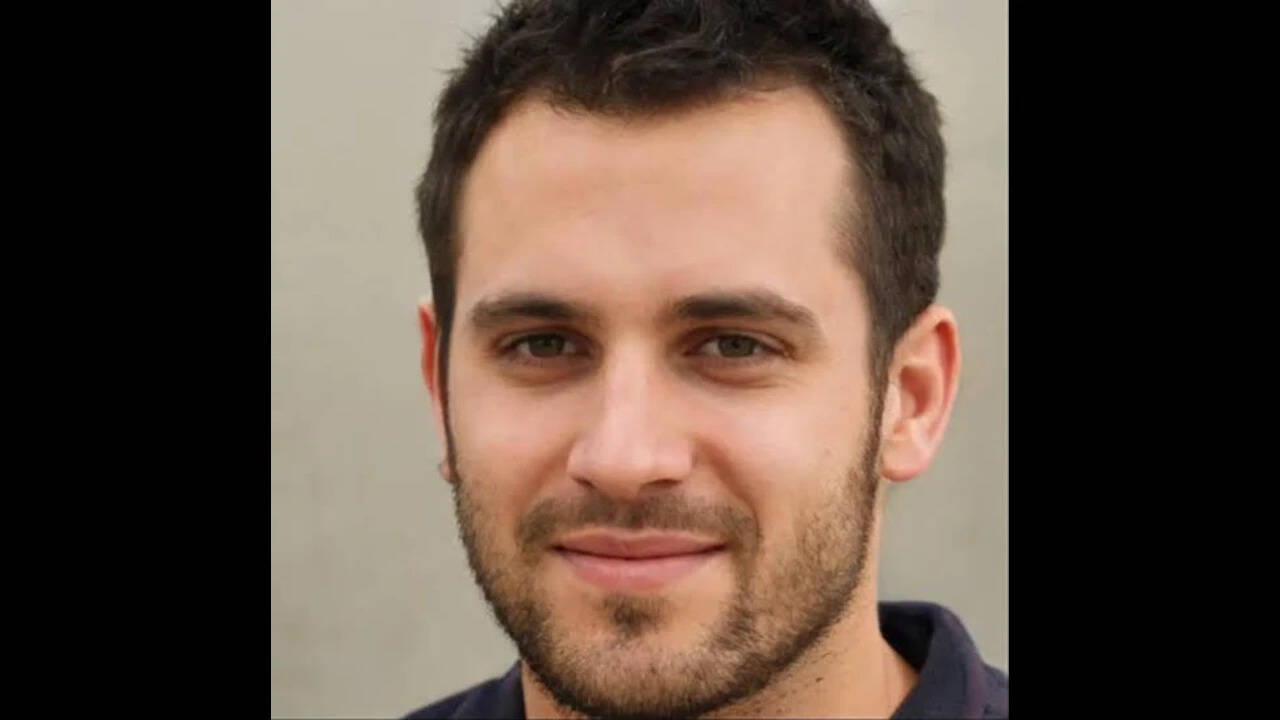
The media industry loves a neat technological scapegoat. When major Canadian outlets including the Ottawa Citizen, the Montreal Gazette, and Policy Options discovered that prolific freelance contributor "Daniel Robson" was an entirely fabricated persona complete with an synthetic headshot, editors rushed to blame the machine. The lazy consensus settling over newsrooms is that generative tools have unlocked a terrifying new wave of autonomous deception, tricking innocent gatekeepers with robotic efficiency.
That narrative is entirely wrong.
Daniel Robson was not an autonomous rogue algorithm operating in a vacuum. He was a low-tech social engineering vehicle steered by human intelligence—specifically, an actor tied to foreign intelligence operations seeking to launder geopolitical narratives into Western publications. Blaming artificial intelligence for this security failure is like blaming the spray paint for a forged masterpiece. The software did not pitch the editors, manage the correspondence, or push for the dissemination of targeted attacks against dissidents. Humans did.
The real scandal of the Robson affair is not that language models can write passable op-eds. Any competent copywriter has known that for years. The true indictment is the absolute collapse of basic verification protocols inside modern newsrooms.
The Cascade Of Lazy Trust
For months, Robson populated Canadian media outlets with commentary on security and foreign affairs. He placed roughly twenty pieces with the Western Standard alone, alongside appearances in The Hub and Open Canada. How did an entity with zero verifiable background, no university footprint, and a computer-generated portrait bypass gatekeepers at multiple reputable publications?
Through the cascade of lazy trust.
Publication A accepted Robson because he sounded professional over email. Publication B saw his byline in Publication A and assumed vetting had already occurred. Publication C trusted Publications A and B. At no point did anyone execute the most basic journalistic requirement: demanding a live video conversation or verifying credentials against an institutional registry.
When editors at Policy Options or the Ottawa Citizen were pressed by outside investigators, they admitted that Robson dodged live calls by citing emergency dental surgery or family travel in Europe. Instead of treating evasion as an automatic disqualifier, editors accepted text-only excuses because the prose was clean and arrived on deadline.
The machine did not exploit a software vulnerability. It exploited human laziness.
Synthetic Prose Is A Red Herring
Focusing on the text generation aspect misses the operational mechanics of influence operations. Large language models are commoditized tools. Anyone can prompt a model to write an op-ed about regional security or transnational crime. The text itself is the cheapest part of the operation.
The expensive part is distribution, credibility laundering, and persistence. The human operators behind the Robson persona understood how editorial boards operate. They knew that regional policy magazines are perpetually understaffed, starved for free or cheap commentary, and desperate for diverse bylines. They capitalized on the economic erosion of local journalism. When newsrooms gut their copy desks and research teams to survive advertising revenue drops, they outsource their first line of defense to automated spelling checkers and good faith.
Foreign actors did not need advanced artificial intelligence to infiltrate Canadian media. They needed a clean Word document, a polite tone, and an industry too fatigued to check a Google search index.
The Cost Of Manufactured Outrage
The consequences of this infiltration went far beyond bruised journalistic egos. Reports indicate that the Robson persona was deployed not just to write generic policy commentary, but to inject toxic, targeted allegations—including fabricated claims of criminal behavior—into the domestic conversation to damage specific individuals.
When media outlets quietly purge archives and publish sheepish editor notes, they treat the symptom while ignoring the disease. They promise to "take greater care" without fundamentally altering how they onboard contributors. They treat identity verification as an administrative inconvenience rather than an operational necessity.
How To Fix A Broken Gate
If newsrooms want to prevent the next Daniel Robson, they must abandon the polite fiction that digital trust can be maintained via email threads and LinkedIn profiles.
First, mandate zero-trust onboarding. No byline should ever go live without a synchronous, camera-on video verification meeting. If a contributor refuses a brief face-to-face interaction due to dental surgery or remote travel, drop the pitch immediately. Real human experts with legitimate credentials are quite easy to look in the eye.
Second, treat the absence of an independent digital footprint as a threat indicator, not a blank slate. Anonymous and pseudonymous commentary has a legacy in journalism, but it requires rigorous behind-the-scenes verification by editorial boards who know the true identity of the writer. Publishing completely unverified identities under the guise of open discourse is editorial malpractice.
The rise of synthetic media means the era of institutional complacency is dead. Stop blaming the algorithm for doing what bad actors have always done. Fix your intake process.