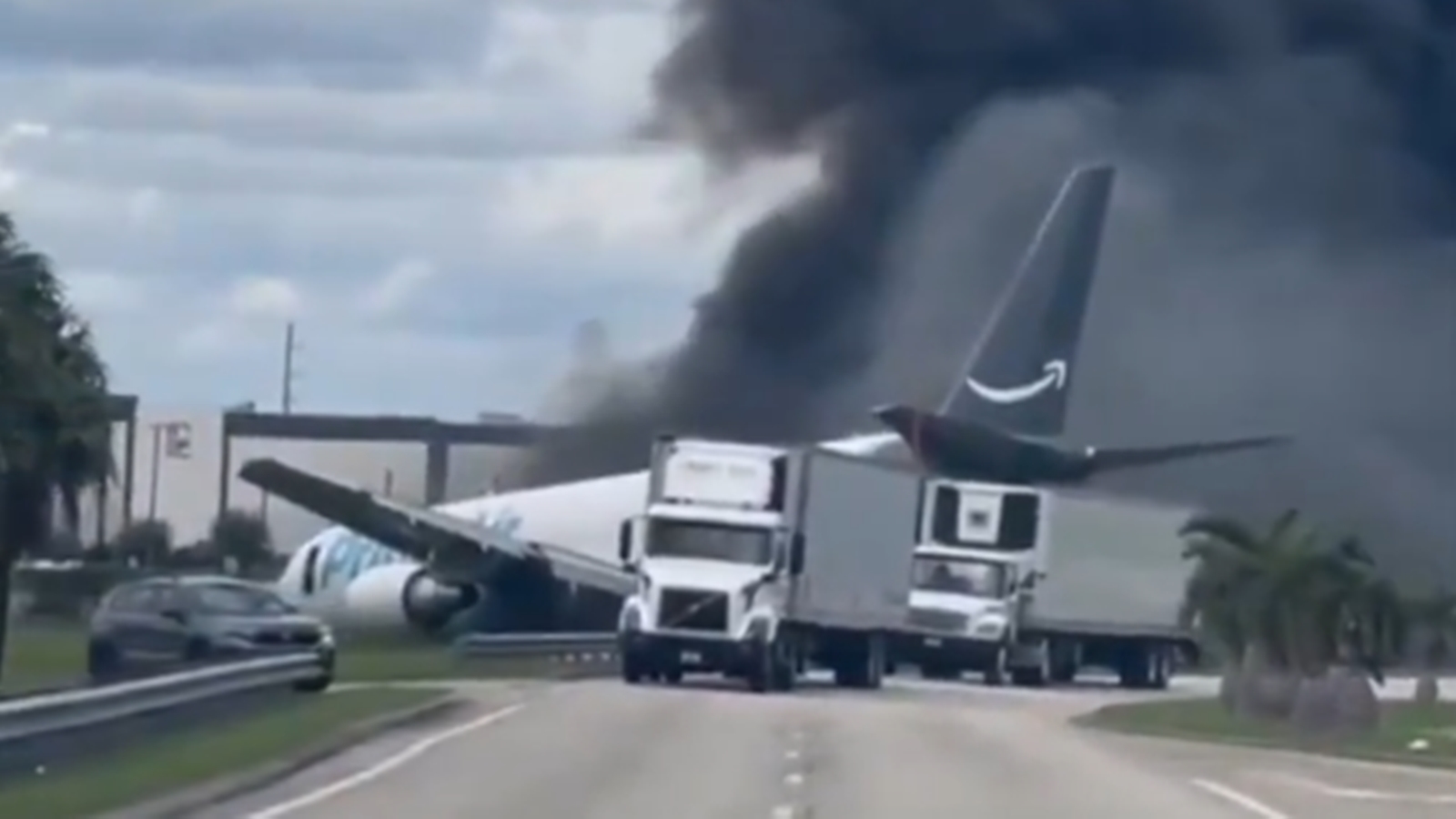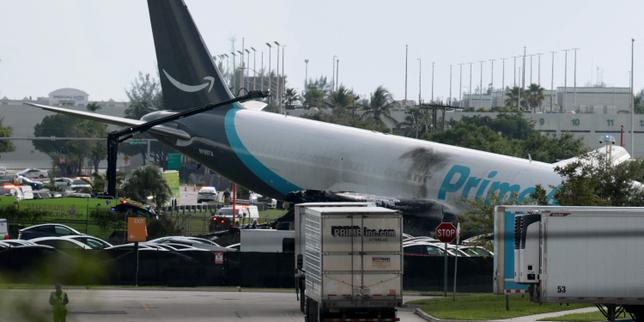
Five bodies pulled from mangled metal and burning asphalt in Miami. A Prime Air cargo jet overshooting a runway, flattening vehicles, and turning a routine Sunday afternoon into a mass casualty event. The lazy consensus across mainstream headlines immediately zeroes in on the corporate giant stamped on the tail. People want a villain. They want to point at Jeff Bezos, point at the relentless pressure of same-day delivery, and scream that corporate greed crashed a Boeing 767.
It is a comfortable narrative. It is also dead wrong.
Blaming Amazon for a runway overrun because their logo is painted on the fuselage displays a fundamental misunderstanding of modern logistics and aviation outsourcing. Amazon does not own, maintain, or fly these aircraft. They lease cargo capacity from third-party wet-lease and charter operators—in this specific case, 21 Air. Shifting the blame to a retail storefront avoids the structural rot eating away at the commercial aviation sector: the systematic recycling of geriatric passenger airframes into high-stress cargo mules.
I have spent decades watching logistics conglomerates mask structural aging behind slick software dashboards. When companies talk about expanding air networks to hit impossible transit windows, they rely on a secondary market of aircraft that refuse to die.
Look at the mechanics. The aircraft involved in the Miami crash was a 32-year-old Boeing 767-300. Built originally for passenger service, it spent over two decades hauling vacationers before getting converted into a freighter. Conversion means stripping seats, cutting a massive cargo door into the side, and reinforcing the floor. It does not mean resetting the airframe clock. Metal fatigue does not care whether a plane is carrying economy passengers to San Juan or boxes of cheap electronics.
The aviation industry operates on a comforting fiction: that structural maintenance resets an airframe indefinitely. Anyone who has looked at structural inspection logs for cargo conversions knows the truth. Freighters cycle harder and heavier than passenger liners. They land at maximum weight limits more frequently, get tossed around by unpredictable crosswinds on tight schedules, and operate under deferred maintenance exemptions that would shock a casual flyer.
When an incident like this happens, the knee-jerk media cycle asks the wrong questions entirely. They ask: Is same-day shipping pushing pilots too hard? That is a rookie question. The real question should be: Why are aviation regulators allowing three-decade-old converted passenger jets to shoulder the backbone of domestic logistics networks?
The Federal Aviation Administration and the National Transportation Safety Board will spend months parsing black boxes, checking reverse thrust deployment, and evaluating runway friction coefficients in Miami. They will look at weather conditions, braking action reports, and crew rest times. Those are necessary metrics. But focusing solely on the cockpit crew or the immediate landing parameters ignores systemic vulnerability.
Imagine a scenario where every major e-commerce provider is forced to internalize the true replacement cost of its fleet instead of outsourcing flight operations to regional carriers operating vintage hardware. The economics of logistics would shift overnight. Margins would shrink. Share prices would wobble. But fewer vehicles on perimeter roads outside major airports would be crushed by runaway multi-ton tubes of aluminum.
Outsourcing flight operations creates a dangerous accountability vacuum. The tech company blames the wet-lease operator. The operator blames the maintenance contractor. The contractor blames component wear. Meanwhile, aging hulls are flown past their prime commercial utility because the secondary market for dedicated medium-widebody freighters is starved. Boeing and Airbus stopped building enough fresh mid-sized freighters decades ago, leaving the market at the mercy of passenger-to-cargo hand-me-downs.
We need to stop treating logistics accidents as isolated tragedies or corporate PR crises. They are structural symptoms of an aging industrial baseline operating at maximum velocity. Until the industry confronts the reality of airframe fatigue and the legal loopholes of outsourced flight operations, branding a plane with an arrow logo will not change the fact that we are flying ancient history down a runway and praying it stops in time.