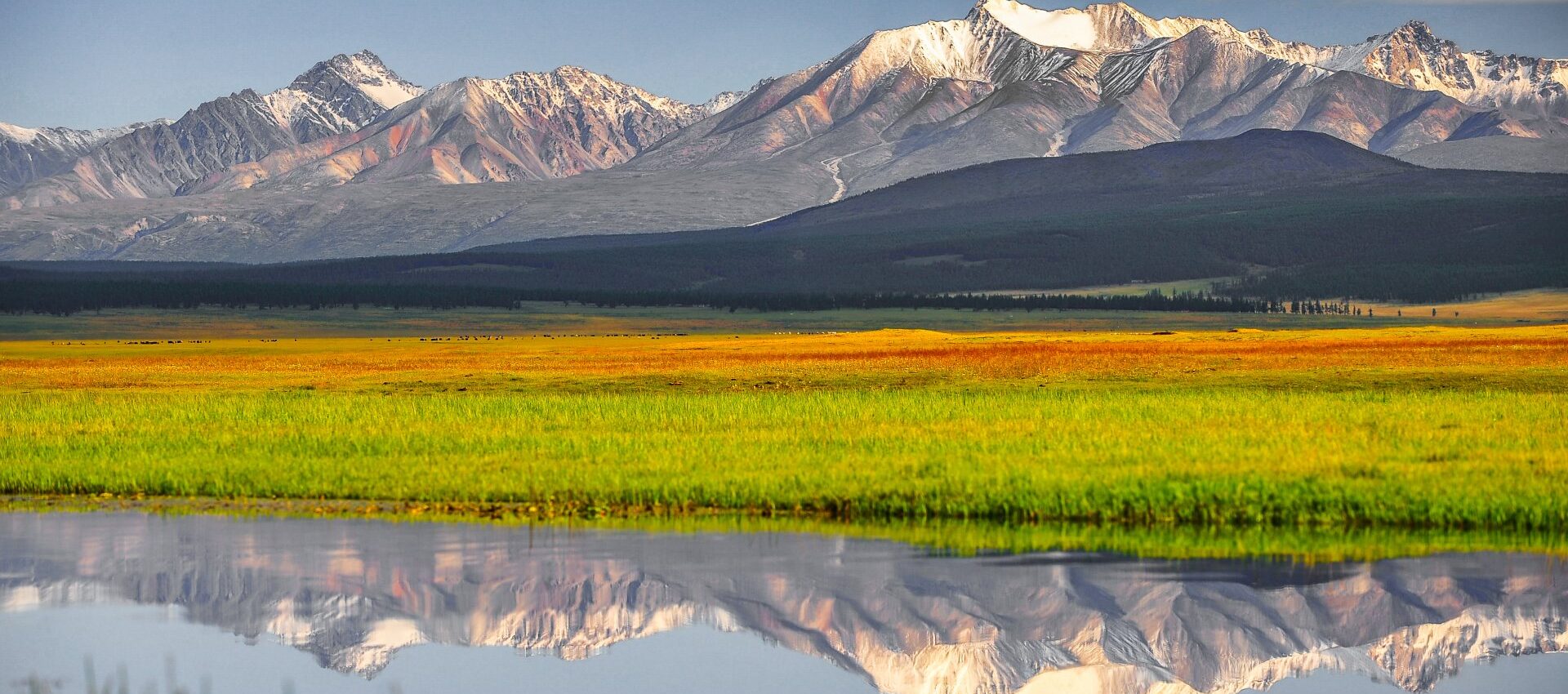
Dawn breaks differently in Astana than it does in New Delhi. On the banks of the Ishim River, the morning light cuts through a sharp, crystalline frost, painting the endless expanses of the Kazakh steppe in shades of pale amber and slate. Thousands of miles to the south, the sun rises over the Indo-Gangetic plain through a humid haze, waking a roaring sea of humanity, ancient stone, and neon-lit ambition.
They look nothing alike. They sound nothing alike. Yet, history has a strange way of drawing distant neighbors close.
Consider what happens when a rail car loaded with uranium leaves the mining towns of Central Asia, bound for the energy-starved furnaces of a rising technological superpower. That movement is not merely commerce. It is a quiet pact forged against the uncertainty of a shifting globe. When Prime Minister Narendra Modi and Kazakh President Kassym-Jomart Tokayev recently sat down to reaffirm their strategic partnership, the headlines called it diplomatic protocol. They expressed satisfaction over steady ties.
Bureaucrats love that kind of language. It sounds dry. It smells of dust and conference room carpet.
Strip away the diplomatic veneer, however, and you find a much more compelling story. You find two nations trying to anchor themselves in an unstable century.
To understand why a landlocked republic in Central Asia and a sprawling subcontinent in South Asia care so deeply about one another, you have to look at a map through the eyes of a merchant or a strategist. For decades, geography conspired to keep them apart. Towering mountain ranges, volatile borderlands, and competing regional powers created a wall of separation. India and Kazakhstan wanted to trade more, talk more, and build more, but the physical barriers stood firm.
Then came the quiet revolution of connectivity.
Imagine standing in a logistics hub where cargo containers pass seamlessly from rail to ship, bypassing traditional chokepoints. This is the promise of the International North-South Transport Corridor and the trans-Caspian routes. It is why energy cooperation between New Delhi and Astana transcends simple buyer-seller transactions. India needs predictable energy to power the lives of over a billion people whose aspirations are burning brighter than ever. Kazakhstan needs reliable, diversified markets for its vast mineral wealth so it never has to rely too heavily on any single hegemon to its north or east.
This relationship is built on mutual insurance.
During their recent reaffirmation of ties, both leaders touched upon security, trade, and cultural exchange. But behind the closed doors of high-level summits, the conversation invariably turns to autonomy. In a world where great powers often treat smaller nations as pawns, middle and rising powers must find strength in numbers. Kazakhstan carefully balances its immense northern and eastern neighbors by looking south toward India, a nation whose democratic scale and economic gravity offer a gravitational pull of their own. India, meanwhile, finds in Kazakhstan a trusted anchor in the heart of Eurasia, a region that has historically served as the chessboard of empires.
Walk through the streets of Almaty today, and you will notice subtle signs of this growing bridge. Indian pharmaceutical companies provide accessible healthcare to Kazakh families. Students from the subcontinent study medicine in Eurasian universities, trading cold Delhi winters for brisk Siberian air, learning the delicate art of cross-cultural translation. Cultural festivals showcase Bollywood rhythms echoing against Soviet-era concrete structures, a surreal yet heartwarming reminder of how art shrinks the planet.
Conversely, Indian engineers and energy experts are finding a second home on the Kazakh steppe, designing joint ventures that look past the horizon of traditional oil and gas into renewable energy, space cooperation, and digital infrastructure.
Yet, trust is not manufactured in a boardroom. It is tested in crises.
When global supply chains fractured over recent years, nations that had neglected their diversified partnerships paid a heavy price. India and Kazakhstan remembered the old lesson. Keep your friends close, and your trade routes closer. Their strategic partnership is less a flashy military alliance and more a quiet, enduring marriage of convenience and shared destiny.
When Modi and Tokayev expressed satisfaction over their steady ties, they were acknowledging the absence of friction in a friction-filled world. No border disputes. No historical grievances. Just two ancient civilizations looking at the map, recognizing each other's value, and deciding to walk the long road together.
The steppe wind howls across the plains of Central Asia, carrying the dust of centuries. In the south, the monsoon winds sweep across the peninsula, bringing life to parched earth. Different winds. Different skies. But as the world turns toward an unpredictable tomorrow, both nations are banking on the fact that the shortest distance between two distant friends is a shared vision of sovereignty, security, and survival.


