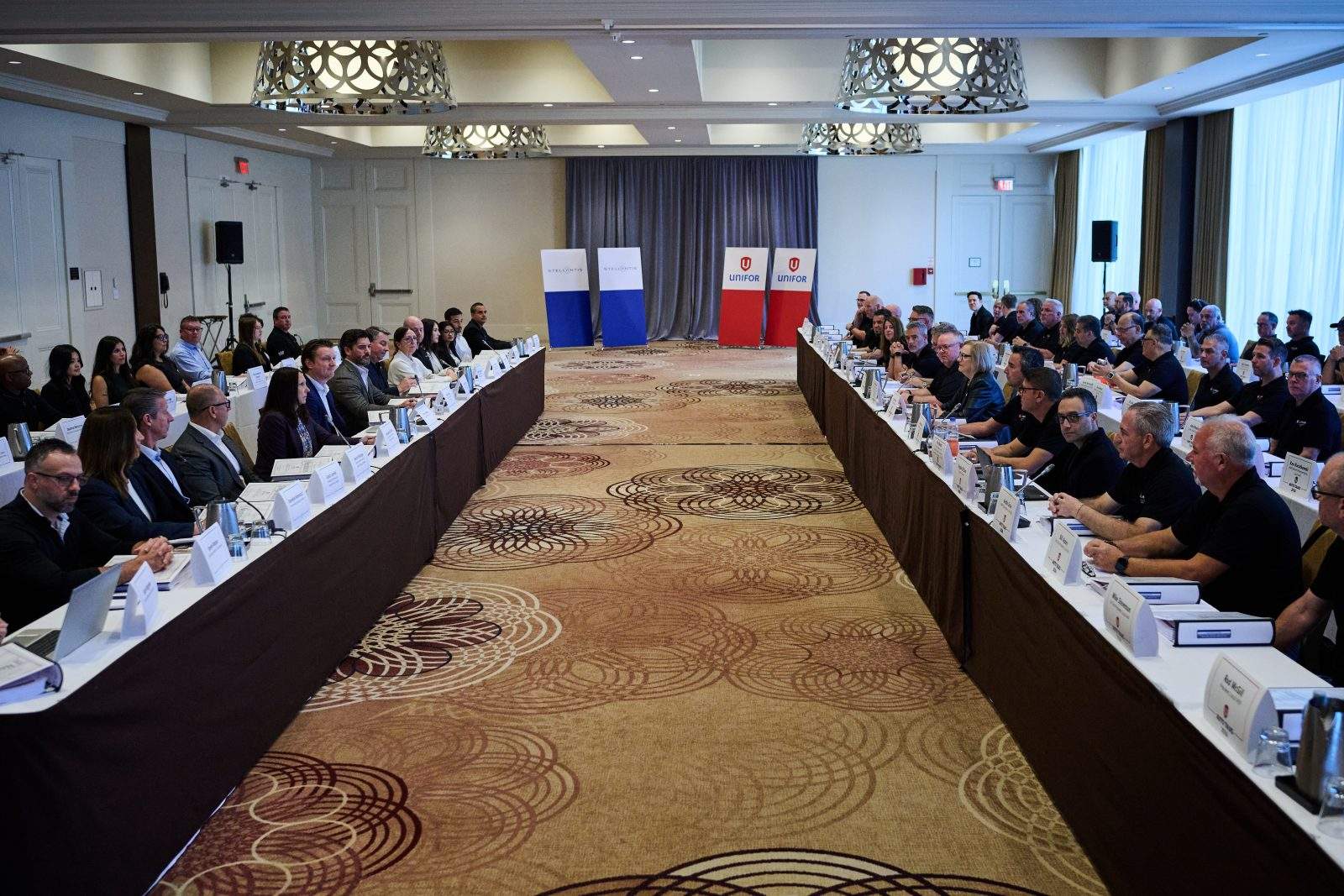
Auto workers are done playing games. When Unifor members at Stellantis walked into voting booths, they weren't just ticking a box. They were sending a loud, unvarnished message to corporate brass.
The vote delivered a staggering 97.3% in favor of a strike mandate.
Negotiations hit a brick wall over broken investment promises and the uncertain future of the Brampton Assembly Plant. If you've been watching the North American auto sector, you know this tension didn't appear overnight. It's the boiling point of years of anxiety, shifting production lines, and corporate backpedaling.
The Core Fight Behind the Numbers
Why did workers rally with such overwhelming force? It comes down to basic trust.
Unifor leadership made it clear that the company's stance on key manufacturing sites crossed a line. When major automakers secure multi-billion-dollar public subsidies and tax breaks, workers expect those commitments to materialize on the factory floor. Instead, stalled talks and sudden shifts left employees staring down job security threats.
A strike mandate doesn't mean workers walk off the job the next morning. It acts as a heavy piece of leverage. It tells management that the people building the vehicles won't accept a watered-down deal.
Past negotiations with Ford and General Motors wrapped up without reaching this level of open hostility. Stellantis stands apart right now because the gap between what corporate promised and what is actually happening on the ground is wide. Workers at Windsor Assembly, the Etobicoke Casting Plant, and Brampton share a collective stake in this fight. A breakdown at one facility ripples across the entire supply chain.
What Corporate Strategy Misses
Executives sitting in high-rises often miscalculate how much shop-floor solidarity matters. You can build all the fancy electric vehicle roadmaps you want, but without the workforce buying in, production lines grind to a halt.
Modern auto manufacturing relies on precision and steady rhythm. Workers aren't asking for handouts. They want the job security promised in past agreements honored. When a company starts shifting product allocations or dragging its feet on plant updates, trust evaporates fast.
The high percentage on this vote proves that union leadership isn't dragging members into a fight they don't want. The members are the fight. They demanded this hardline stance because complacency carries too high a price tag.
Where Things Go From Here
With an overwhelming authorization in hand, the ball sits squarely back in the company's court.
Management has to decide whether they want a protracted labor dispute that could cripple upcoming vehicle rollouts, or if they are ready to negotiate in good faith. Governments heavily invested in the domestic auto sector are watching closely too, knowing that instability hurts regional economies.
If you work in manufacturing, or if you simply follow where the industrial economy is heading, pay attention to these talks. They set the benchmark for how corporate accountability will be handled moving forward. Workers have shown their hand. Now we wait to see if leadership folds or starts dealing straight.