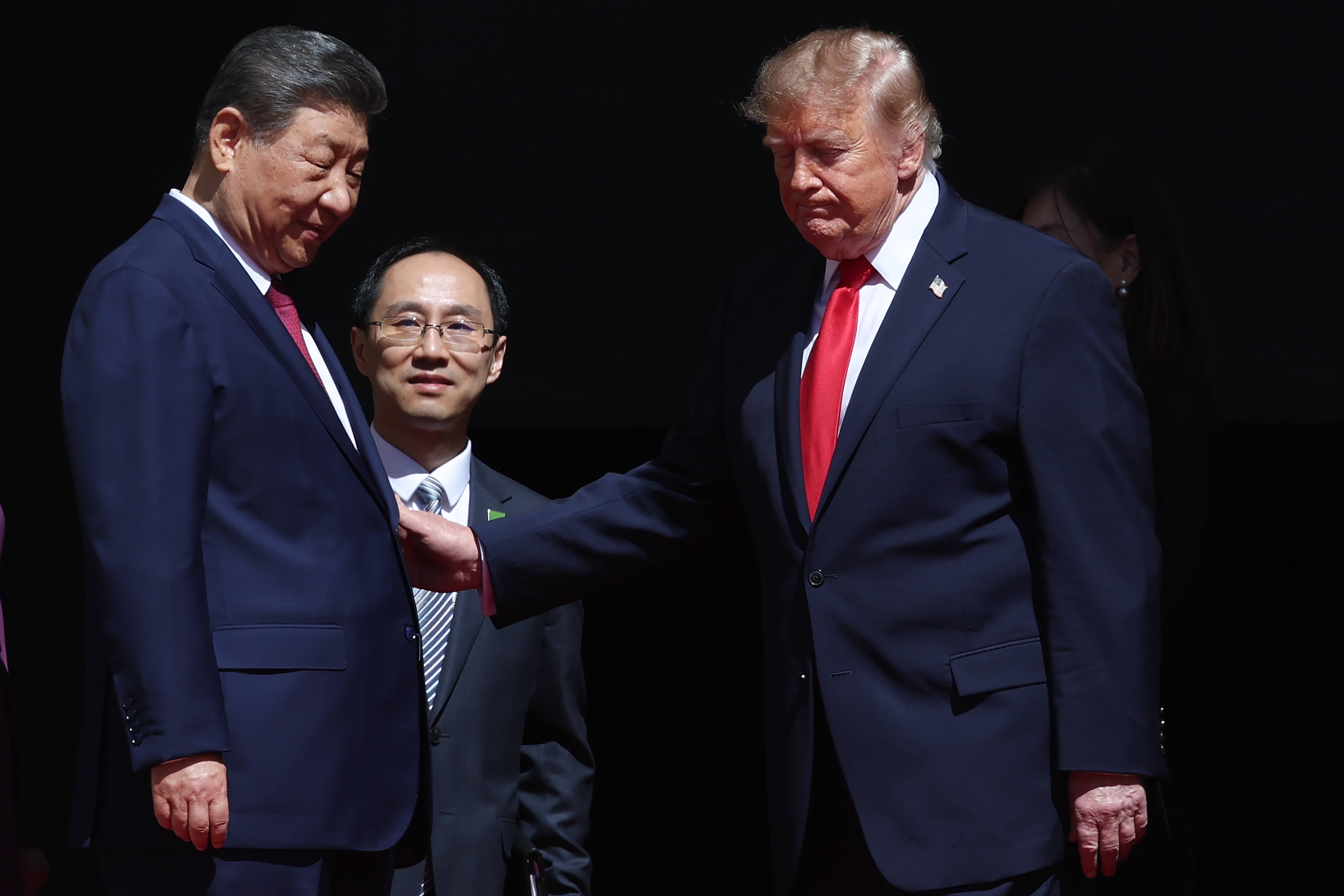
State visits between dominant global actors are rarely exercises in spontaneous diplomacy. They function as high-stakes calibration rituals where tangible security concessions, trade architectures, and economic thresholds are translated into public signaling. When political executives meet, the visible layers of statecraft—ceremonial guards, red carpets, and curated public gifts—are often misread by observers as superficial window dressing. In structural analysis, pageantry operates as a costly signaling mechanism. It represents an intentional investment of political capital and institutional resources designed to communicate domestic stability, mutual recognition, and strategic intent to internal and external audiences.
The introduction of biological assets, specifically the deployment of zoo-housed fauna such as giant pandas under long-term research and conservation frameworks, represents a specialized subset of soft power economics. Unlike arms sales or tariff adjustments, which carry immediate transactional friction and measurable zero-sum outcomes, biological diplomacy utilizes non-threatening, high-affinity instruments to de-escalate bilateral volatility.
The Cost Function of Symbolic Diplomacy
To understand why governments allocate administrative bandwidth to animal exchanges during periods of acute geopolitical friction, one must examine the cost function of diplomatic signaling. Diplomatic signals require credibility to alter opponent calculus. A purely verbal commitment carries near-zero cost of reversal, rendering it weak currency in great power competition.
Conversely, institutionalized biological loans operate on a multi-decade horizon. They involve complex veterinary logistics, bilateral research pacts, multi-million dollar habitat maintenance overheads, and public commitments that tie national prestige to animal welfare. When leadership groups authorize these programs during high-level summits, they are signaling a baseline floor for diplomatic engagement. It establishes that despite structural disagreements over intellectual property, supply chain security, or regional sovereignty, both states retain channels for managed coexistence.
[Bilateral Friction Points] ---> [High-Cost Signaling Mechanisms] ---> [Floor Maintenance for Dialogue]
  - Trade Deficits                - Presidential Summits               - Avoidance of Unchecked Escalation
  - Security Posture              - Long-Term Biological Loans         - Public Goodwill Preservation
Institutionalizing Soft Power
The mechanics of biological asset transfers have undergone a structural evolution over the past several decades. Early iterations relied on direct, unconditional gifting. This model presented operational vulnerabilities; gifts could be perceived as tributary gestures or could become politically toxic if bilateral relations deteriorated rapidly following the transfer.
Modern statecraft replaced unconditional gifting with structured, conditional long-term lease frameworks. These agreements embed strict parameters:
- Conservation Mandates: Operations are tied to joint scientific research, habitat preservation funding, and strict veterinary standards.
- Temporal Boundaries: Assets are deployed for defined operational windows, typically spanning a decade, with explicit provisions for offspring repatriation.
- Jurisdictional Hosting: Care is transferred to accredited domestic institutions, insulating the core asset from short-term administrative shifts while allowing host governments to harvest domestic public goodwill.
This institutional scaffolding transforms a simple cultural gesture into a bureaucratic treaty. It binds the host nation's scientific and zoological infrastructure into a cooperative network with the originating state, ensuring that even during periods of legislative hostility, operational channels remain active at the institutional tier.
The Domestic Audience Problem
State visits function simultaneously on two distinct chessboards: the international arena and the domestic political theater. Executive leadership teams must manage domestic constituencies that demand zero-sum toughness alongside economic actors who require stability.
Ceremonial pageantry and non-threatening cultural symbols provide an essential pressure valve. They offer media ecosystems tangible, visually engaging narratives that divert public attention away from intractable structural disputes. While trade negotiators and defense attachés battle over quantitative thresholds behind closed doors, the public presentation of shared cultural cooperation provides leadership with the political cover necessary to compromise on difficult policy files.
Strategic analysis requires stripping away the immediate emotional resonance of these symbols to map their functional utility. Biological assets do not alter military balances or resolve macroeconomic imbalances. Instead, they act as friction-reduction lubricants within the machinery of statecraft, preserving the minimum level of diplomatic elasticity required to prevent structural competition from accelerating into kinetic conflict.
Prioritize institutional frameworks over public optics when forecasting bilateral trajectories; watch the binding operational agreements rather than the ceremonial headlines.


