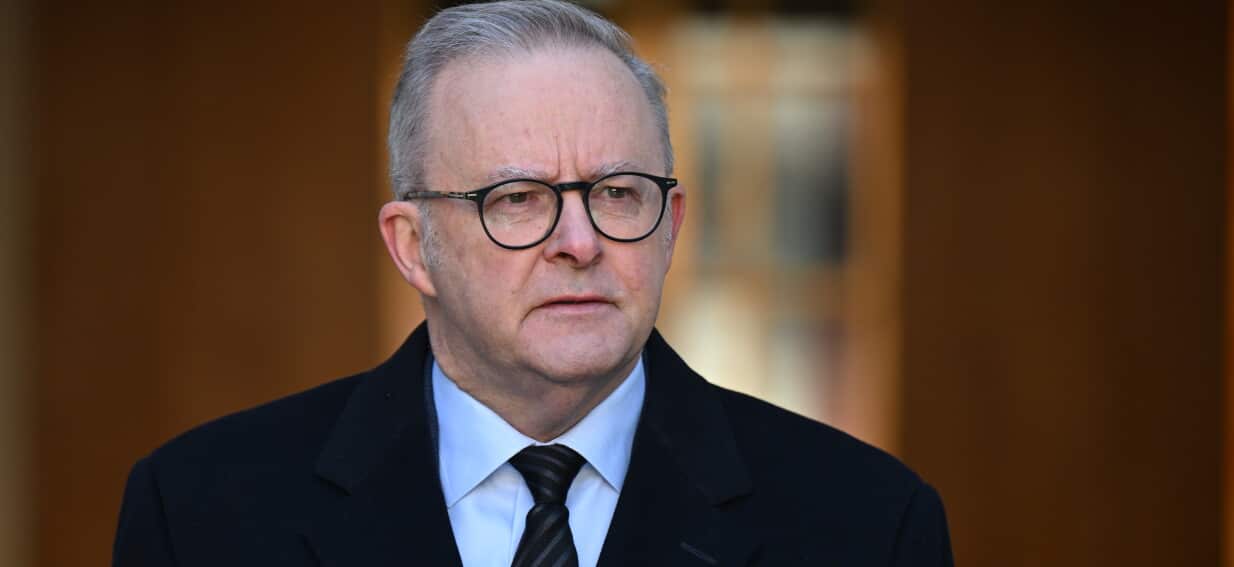
The air inside the Room was thick with the scent of expensive cologne, ozone from television monitors, and the faint, metallic tang of sweat. It was June 14. Outside, the Washington humidity clung to the marble monuments like wet wool. Inside, history was being written not with the scratching of fountain pens, but with the thud of four-ounce gloves against a canvas floor.
Donald J. Trump stood at the center of the chaos. He turned eighty years old today.
Most octogenarians celebrate with a quiet family dinner, perhaps a sheet cake and a chorus of grandkids. But this was a different kind of theater. To his right sat negotiators from Tehran, their faces unreadable, holding copies of a newly minted, highly controversial diplomatic accord. To his left, a twenty-four-foot chain-link octagon occupied the space where state dinners usually unfolded.
The juxtaposition was jarring. Surreal. Loud. It was a masterclass in the modern currency of attention, where geopolitical strategy and ultimate fighting championship bloodsport blurred into a single, dizzying image of American authority.
The Canvas and the Treaty
Behind the velvet ropes, the crowd surged. Corporate titans rubbed shoulders with cabinet secretaries. High-rolling fight promoters exchanged nods with career diplomats who looked deeply, profoundly uncomfortable. The contrast defines an era where politics is no longer just policy. It is performance art.
Consider the optics of the moment. On one side of the room, a pen stroke theoretically reshapes the balance of power in the Middle East. For years, the question of international relations has been treated like a game of high-stakes chess, played in whispers behind closed doors. Today, it was dragged into the glaring neon lights of a pay-per-view arena.
The crowd roared as two featherweights traded blows in the cage. The sound rattled the crystal chandeliers. Every strike seemed to punctuate the tension of the signed documents resting on a nearby mahogany table. It was a visceral reminder of what raw force looks like, an intentional metaphor for the administration's approach to global affairs. Treaties are not just agreements made in good faith; they are leverage secured through a willingness to step into the cage.
The Weight of Eighty Years
Age in leadership is a strange, delicate thing. It brings a vulnerability that no amount of bravado can entirely hide. Watching a man enter his ninth decade while surrounded by the peak physical youth of professional fighters creates a striking emotional dissonance. The lines on a leader's face tell a story of decades spent in the public eye, navigating bankruptcies, reality television, courtroom battles, and the ultimate pressures of the oval office.
The energy in the room was electric, but underneath the bravado sat an undeniable truth. Power is fleeting. The spectacle is an attempt to outrun time itself, to prove that eighty is just a number and that the grip on the cultural steering wheel remains as tight as ever.
Critics viewed the entire display as a circus, a degradation of the dignity traditionally afforded to the executive branch. They saw the cage fight as a distraction from the complex, agonizing details of foreign policy. Supporters, however, saw something entirely different. They saw a defiance of conventional rules, a validation of strength, and an authentic rejection of Washington's stuffy, predictable elite.
A New Lexicon of Diplomacy
The traditional rulebook of international relations suggests that agreements are forged through meticulous, quiet compromise. But the world has shifted. The modern public demands transparency, or at the very least, entertainment. By tying a major geopolitical announcement to a sport defined by survival and dominance, the narrative changes entirely.
It signals to adversaries and allies alike that the old ways of doing business are dead. The message is blunt: we are willing to fight, we are comfortable with conflict, and we view the world through the lens of a prize match.
The fighters in the cage left everything on the canvas. Bruised, bleeding, and exhausted, they embraced after the final horn—a display of mutual respect born from shared violence. It was a poignant moment that lingered over the entire evening. In the theater of power, conflict is inevitable, but the goal is always survival, a handshake at the end of the round, and the right to raise your hands in victory before the lights go down.