Thousands of exhausted residents are finally unlocking their front doors across central Spain after days of forced exile. They left behind an environment transformed into a ghost landscape of ash and charred metal. Yet, this cautious sigh of relief comes with an expiration date. Another brutal heatwave is climbing over the horizon, threatening to undo every victory emergency crews fought tooth and nail to secure.
If you think this is just a local weather blip, you're missing the bigger picture. Southern Europe is turning into an annual testing ground for extreme climate anomalies.
The Fragile Reality Behind Returning Home
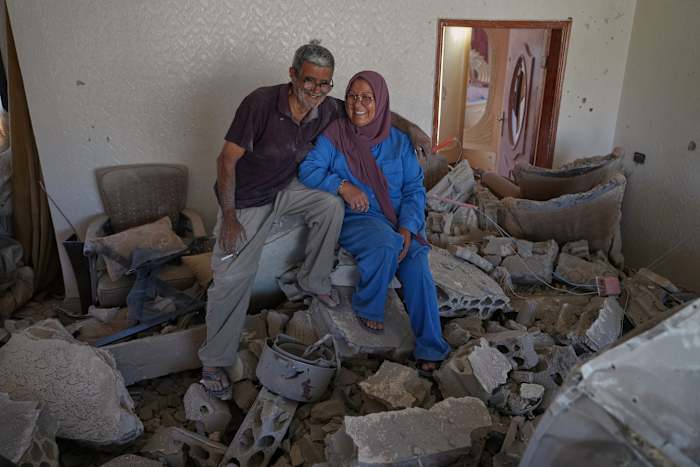
Spain's interior ministry recently lifted evacuation orders for over a dozen municipalities west of Madrid and in regions like Ávila and Valencia. Officials reported that roughly 24,000 displaced individuals could finally leave sports centers and temporary shelters to see what remained of their properties.
The homecoming is heartbreakingly uneven. Some families returned to find gardens miraculously untouched, while neighbors a few doors down discovered only melted aluminum car frames and collapsed roofs. Local mayors are calling the aftermath a war zone. The psychological toll of hearing that your village dodged a bullet—only to return and find fifty homes completely vaporized—is staggering.
Municipal crews are working around the clock to restore basic utilities, but the infrastructure is battered. Water pressure is low, electricity lines are patched together with temporary fixes, and the air still smells heavily of burnt pine and peat.
Why the Danger Is Far From Over
You cannot talk about recovery when the root fuel source is drier than a bone. State meteorological agencies have already signaled the arrival of a severe fourth heatwave, pushing temperatures past 40 degrees Celsius in multiple zones.
Forestry experts point out a grim cyclical reality. Heavy spring rains triggered aggressive plant growth across the Iberian Peninsula. Then, relentless summer baking turned that lush vegetation into tinderboxes.
When winds pick up during peak afternoon heat, fires don't just burn—they leap. Firefighting commanders describe nocturnal lulls as a "sleeping kitten" that morphs into a "mighty lion" the moment the sun heats the canopy. Ground crews are racing against the clock, carving out firebreaks and dampening hot spots before the atmospheric pressure drops and the winds turn erratic.
What Southern Europe Teaches Us About Future Summers
This crisis forces a hard look at emergency preparedness. Evacuation logistics handled tens of thousands of panicked citizens near Madrid, but the sheer speed of modern crown fires outpaces traditional planning. When a blaze travels faster than a brisk walk, evacuation alerts give terrifyingly narrow windows.
Governments are relying heavily on European Union mutual aid mechanisms, importing water-dropping planes and specialized forest teams from across the continent. But relying on neighborly fleet sharing is a band-aid solution.
If you live in or travel to wildfire-prone Mediterranean regions during peak summer months, basic preparedness isn't optional anymore. Keep an emergency go-bag packed by the door. Monitor local civil protection apps religiously instead of relying on word-of-mouth updates. Clear defensible space around rural properties, because fire crews cannot protect every single house when a front stretches for dozens of kilometers.
The smoke may be clearing over Madrid's western hills for now, but the underlying vulnerability remains entirely exposed.