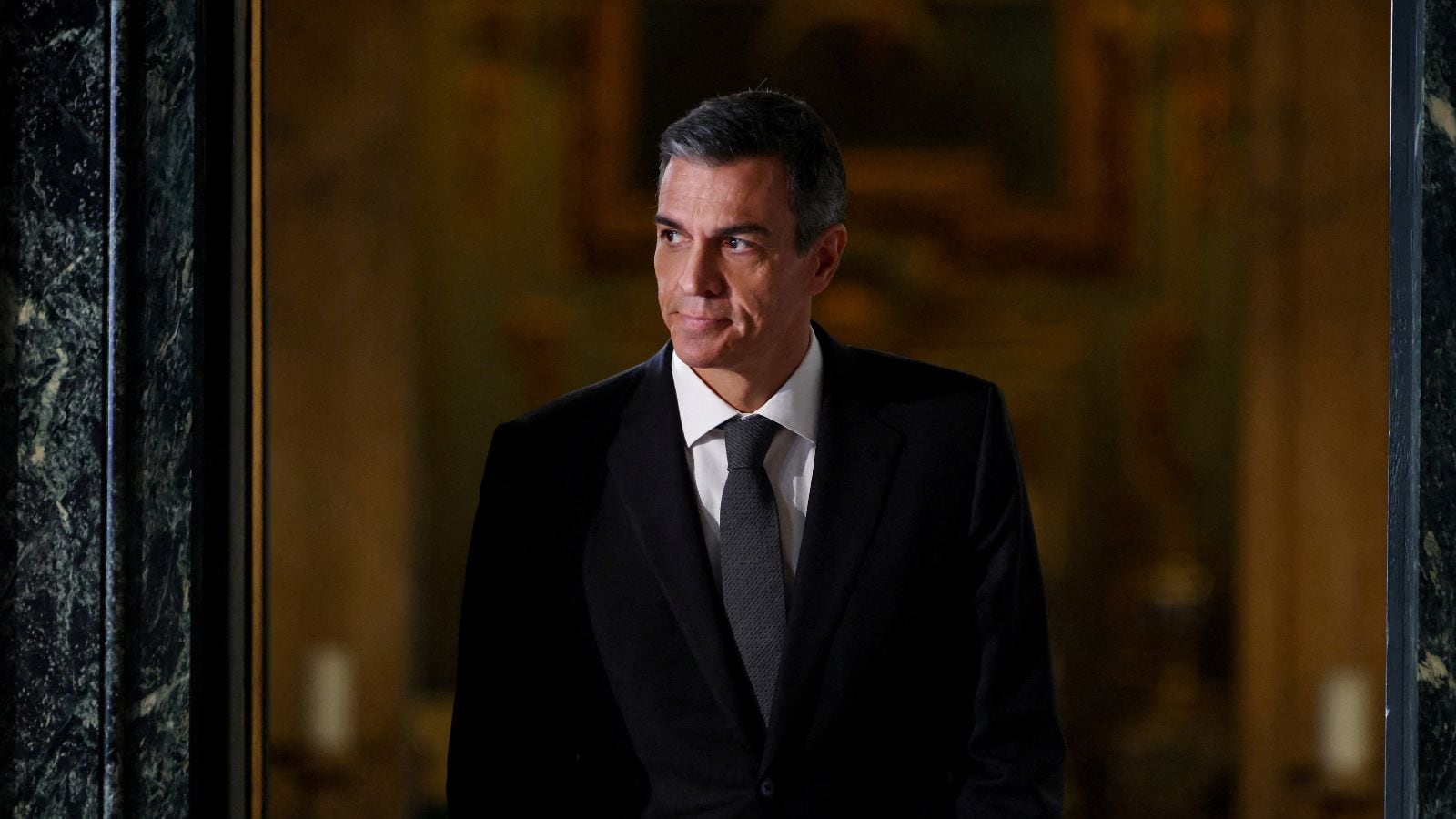
Rent checks consume entire paychecks. Properties vanish into tourist rentals overnight. Public fury boils over into the streets. When Spanish Prime Minister Pedro Sánchez faced a brutal legislative rejection of his emergency housing decrees, he didn't back down or try to negotiate behind closed doors. He threw the board away and called a snap national election for November 29.
It is a massive gamble. Polls show his party trailing, and the conservative opposition senses blood in the water. But Sánchez is betting that taking the housing crisis directly to the voters will break the gridlock holding Spain's political system hostage. For another perspective, consider: this related article.
The Breaking Point Behind the Ballot Box
You cannot understand this election without looking at the raw anger dominating Madrid, Barcelona, and cities across the country. Skyrocketing rents, rampant property speculation, and an explosion of short-term tourist apartments have pushed urban living out of reach for millions.
The pressure cooker blew open following the tragic death of Maricarmen Abascal, an 87-year-old Madrid resident who passed away shortly after being evicted from her home due to a steep rent hike. Her story became a rallying cry. It transformed abstract housing statistics into a visceral human tragedy. Similar coverage regarding this has been published by BBC News.
Tens of thousands of protesters flooded the streets. They organized Spain's first major general strike in over a decade, shutting down workplaces and demanding immediate government intervention. Citizens were tired of empty rhetoric from politicians while their monthly rent doubled.
Why the Legislative Battle Collapsed
Sánchez runs a minority coalition government that relies on a fragile patchwork of regional and minor parties to survive. Keeping everyone happy is impossible on a good day. On an issue as volatile as housing, it became a ticking time bomb.
The government tried to push through emergency decrees designed to cap rent increases, penalize vacant properties, and curb predatory buying by outside investment funds. Right-wing parties like the Partido Popular (PP) and Vox lined up against the measures, arguing that market-heavy controls would dry up the rental supply even further.
When the opposition successfully struck down the housing decrees in parliament, Sánchez faced a choice. He could limp along with a paralyzed legislative agenda, or he could force a showdown. He chose the showdown.
What Happens Next on November 29
Conservative leaders welcomed the early vote, framing it as a referendum on a tired administration. Opposition figures argue that years of socialist leadership have delivered nothing but soaring costs and economic stagnation.
Meanwhile, tenant unions and grassroots housing activists find themselves in a complex spot. They want immediate legislative protections, yet they know electoral politics can easily co-opt genuine social movements. They are pushing voters to treat the ballot box as an extension of the street protests.
If Sánchez pulls off an upset, he secures a fresh mandate to force his housing reforms through a cleaned-up legislature. If he loses, a conservative coalition backed by the far right will take the reins, steering housing policy in a sharply different direction.
Renters across Europe are watching closely. Spain's high-stakes political gamble could set a precedent for how governments handle the continent's deepening cost-of-living emergency.
How Spain housing crisis forced a snap election
This news report provides a clear breakdown of the eviction protests and political maneuvers that led to the snap election announcement.