The air inside a high-end defense manufacturing facility usually smells of ozone, sterile floor wax, and the metallic tang of precision engineering. It is an environment built on the premise of absolute control. Security badges beep with rhythmic certainty. The hum of the ventilation system provides a constant, low-frequency reassurance that everything is functioning exactly as intended.
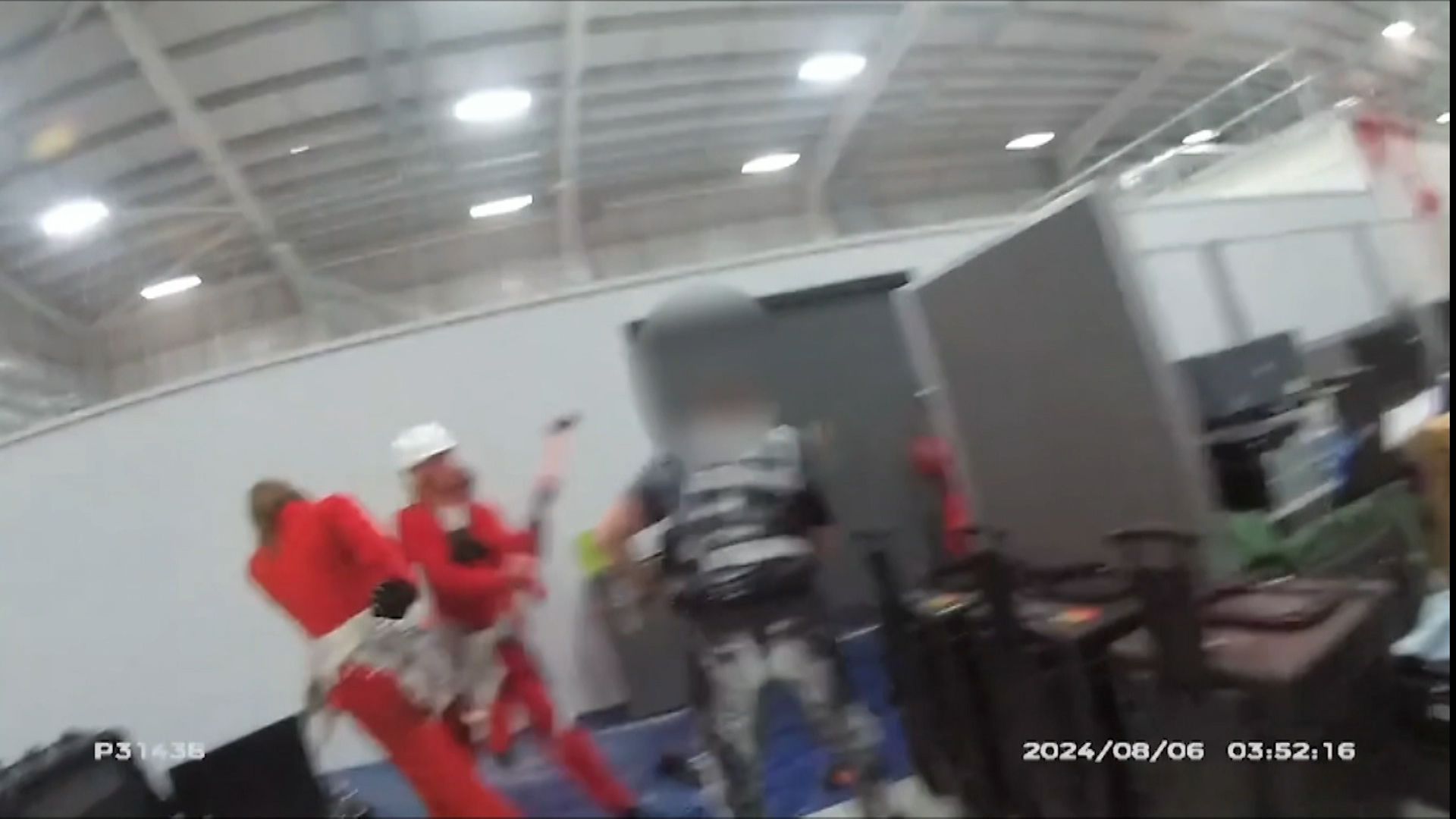
But on a Tuesday morning in late spring, that control evaporated. It was replaced by the chaotic, jagged sound of a sledgehammer meeting a window.
Four individuals—activists associated with the group Palestine Action—stood amidst the debris of a broken window at a Thales site. Thales, a French multinational giant, is a name most people only encounter on a stock ticker or a dry procurement report. However, for those standing on the glass-strewn floor, the company represented something much more visceral. They weren't there to steal secrets or vandalize for the sake of a thrill. They were there to stop a clock they believed was ticking toward a tragedy thousands of miles away.
The Weight of the Hammer
To understand why four people would risk their freedom to break into a fortified industrial site, you have to look past the police reports. You have to look at the internal calculus of a protester.
Imagine a person who wakes up every day convinced that the very ground they stand on is subsidized by violence. For these activists, the "facts" aren't just data points about defense contracts or export licenses. They are images of rubble in Gaza. They are the sounds of drones circling overhead. When the law speaks of "property damage," the activist hears "intervention." When the court speaks of "aggravated trespass," the activist hears "moral necessity."
The four individuals—Samuel Corner, Leona Kamio, Jordan Devlin, and Charlotte Head—didn't just wander into this situation. Their actions were the culmination of a specific, agonizing realization: the belief that traditional protest had failed. They had marched. They had signed petitions. They had written letters to MPs that were answered with polite, templated indifference.
So, they picked up the tools of destruction to attempt a different kind of creation—a world where the machines of war are forced to go silent, even if only for a few hours.
The Precision of the Law
The British legal system is a machine of a different sort. It is a system designed to strip away the "why" and focus exclusively on the "what."
During the trial at Reading Crown Court, the narrative wasn't about the geopolitics of the Middle East or the ethical gray zones of the arms trade. It was about a specific set of actions that took place in May 2022. The prosecution painted a picture of a calculated, violent incursion. They spoke of smoke bombs being set off, of staff being intimidated, and of the sheer cost of the repairs.
The defense attempted to frame the actions under the umbrella of "lawful excuse." This is the legal equivalent of breaking a window to save a child from a burning house. The activists argued that by damaging the Thales facility, they were preventing a much greater crime: the loss of life in Palestine. They claimed the components manufactured within those walls were destined for Elbit Systems, Israel's largest private arms company, and would eventually find their way into the engines of drones used in conflict zones.
But the law is often allergic to the "greater good" when that good is defined by those breaking the statutes.
Judge Kirsty Real presided over a courtroom where two realities collided. In one reality, four citizens were standing up against an industry of death. In the other, four defendants were being tried for criminal damage and burglary. The jury, tasked with navigating these two worlds, eventually sided with the letter of the law. They found all four guilty of conspiring to commit criminal damage.
The Human Cost of Conviction
When the verdict was read, the room didn't explode in a cinematic outburst. Instead, there was the heavy, suffocating silence that follows the closing of a door.
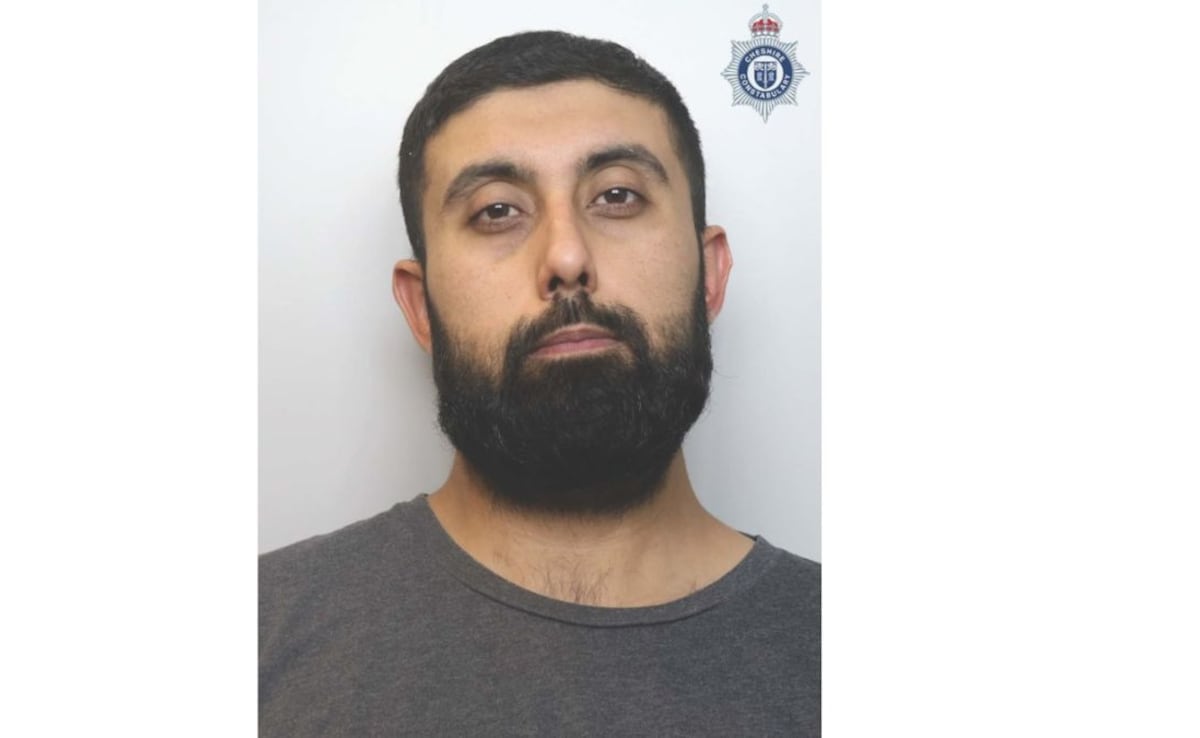
Samuel Corner, 23, was found guilty of two counts of skip-jumping—a technical term for his role in the physical breach—as well as the more serious charges of violent disorder and assault occasioning actual bodily harm. The court heard testimony about a security guard who was caught in the fray. This is where the narrative of the "peaceful protester" often hits a wall of cold, hard reality. When a movement chooses the path of direct action, the casualties aren't always the high-level executives or the faceless corporations. Sometimes, it’s the man working the 6:00 AM security shift, trying to earn enough to pay his mortgage, who finds himself in the middle of a struggle he never asked for.
The guard’s experience is the shadow side of the activist’s passion. While the protesters saw themselves as heroes in a global struggle for justice, the guard saw four masked individuals breaking into his workplace and threatening his safety.
This tension is the heartbeat of modern civil disobedience. Is it possible to fight for the humanity of people on the other side of the world while simultaneously disregarding the humanity of the person standing right in front of you?
The Invisible Stakes
The Thales case is a microcosm of a much larger shift in how we view corporate responsibility and individual agency. We live in an era of unprecedented connectivity. We can track the shipment of a drone component from a factory in the UK to a hangar in Tel Aviv with a few clicks. This transparency has birthed a new kind of "citizen of the world" who no longer accepts the distance between their doorstep and the front lines.
The four activists at Thales weren't just attacking a building; they were attacking the concept of "business as usual." They were betting their lives on the idea that if you can't stop a war at the top, you start at the bottom—at the assembly line, the shipping dock, and the office park.
Thales, for its part, maintains its position as a vital contributor to national and international security. To the corporate mind, these activists are a security threat, a logistical hurdle, and an insurance liability. They represent a chaotic element in a system that requires predictability to thrive.
But the "invisible stakes" involve the thousands of people who will never hear of Reading Crown Court. They are the families in Gaza who see these drones as a constant, buzzing omen of destruction. To them, the broken glass in a Berkshire office park isn't a crime; it’s a prayer.
The Looming Shadow of the Sentence
As the defendants await their sentencing, the conversation shifts from what they did to what will happen to them. Samuel Corner remains in custody. The others are out on bail, living in the strange limbo between a guilty verdict and a prison cell.
Their supporters see them as martyrs—the "Thales Four," symbols of a growing movement that refuses to look away. Their detractors see them as vandals who have finally faced the consequences of their arrogance.
The truth, as it usually does, sits somewhere in the uncomfortable middle. These are young people who felt the weight of the world’s suffering so acutely that they were willing to shatter their own futures to make a point. They are also individuals who caused fear and injury to workers who were simply doing their jobs.
There is no easy catharsis here. There is no neat ending where everyone realizes they were on the same side all along. There is only the lingering image of a sledgehammer, a pile of glass, and the terrifyingly thin line between a criminal and a crusader.
As the sun sets over the industrial parks of the UK, the factories continue their hum. The security guards check their monitors. The activists plan their next move. And somewhere, the glass is being swept away, leaving the floor as smooth and sterile as if nothing had ever happened. But the scratches on the surface remain, a permanent record of the day the world outside forced its way in.