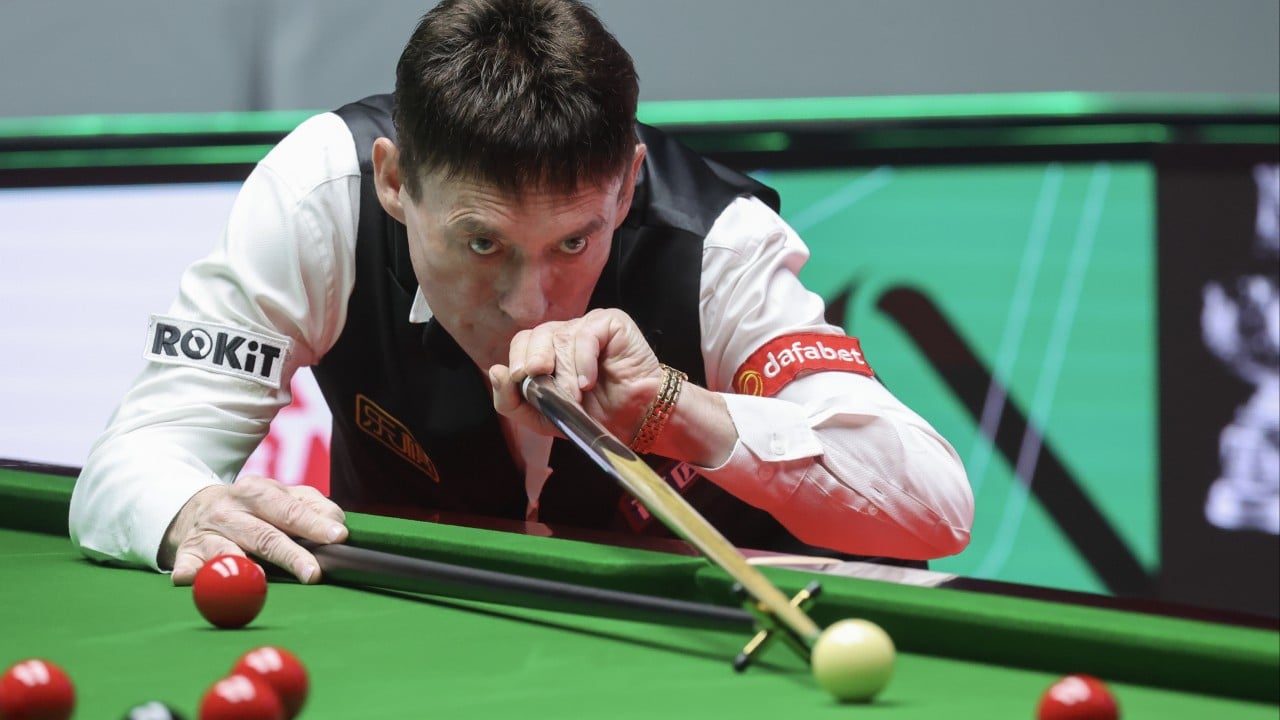
Every pundit in sports media is currently eating up the official talking points. When top-tier cue sports talent relocates or lines up exhibition events in Hong Kong, the narrative handed down by immigration officials is treated as gospel. The press release reads like a tax accountant's fever dream: low tax rates, favorable residency schemes, and a strategic geographical hub.
It is a lazy, superficial consensus. And it misses the entire point of what is actually happening. If you liked this article, you should read: this related article.
I have spent the better last decade watching high-net-worth talent management play out across Asian financial corridors. When elite athletes pivot their geographic bases, tax optimization is rarely the primary engine. It is the friction reducer, sure. But nobody uproots their life, trades their home training conditions, and navigates a foreign bureaucratic apparatus solely to save a few percentage points on overseas earnings.
The immigration chief wants you to think Hong Kong is just an attractive balance sheet. They are selling a tax bracket. They are hiding a far more lucrative, aggressive commercial realignment. For another perspective on this story, see the latest update from Bleacher Report.
The Financial Engineering Behind the Cue Rack
Let us look past the standard institutional spin. Snooker is not a mainstream sport in the Western sense; it is a fragmented global rights property with massive pockets of hyper-engaged liquidity in East Asia.
When a player relocates or anchors themselves to Hong Kong, they are buying direct access to the most lucrative sponsorship ecosystem on the planet for cue sports. European tournaments offer tradition, prestige, and historic venues draped in velvet. Hong Kong offers something far better. It offers modern conglomerates willing to write seven-figure checks for brand association without demanding the historic pedigree of the Crucible.
Let us define terms clearly. Tax efficiency is a defensive maneuver. Commercial market positioning is an offensive weapon.
If a player moves purely for the statutory fifteen percent maximum earnings tax rate, the math rarely justifies the disruption of a professional sports career. Training facilities matter. Travel logistics matter. Mental health and social circles matter. The actual catalyst for this migration is the total monetization of regional clout. Hong Kong functions as the bridgehead into mainland Chinese commercial networks, high-net-worth exhibition circuits, and private-equity-backed sporting ventures that western sports agents barely comprehend.
Imagine a scenario where a top-sixteen player generates three hundred thousand pounds annually in tournament prize money in the UK, but quietly pulls in one point two million pounds in regional sponsorships, private club exhibitions, and brand endorsements anchored out of an Asian corporate base.
The tax rate is a footnote. The real story is the arbitrage.
Dismantling the Bureaucratic Smoke Screen
The immigration department loves talking about talent attraction schemes because it frames government policy as a magnetic success. It turns a commercial migration into a political win.
People ask: Are snooker players moving because of the Quality Migrant Admission Scheme or similar residency pathways?
The brutally honest answer is that paperwork is secondary. Visas are merely the tollbooth. Nobody stops at a tollbooth unless the destination holds actual gold. The bureaucratic pathway in Hong Kong is smooth, yes, but athletes do not choose a city based on how fast they process an entry permit. They choose it based on where the capital is flowing.
The real driver is the structural decay of the traditional UK-centric snooker tour model. For decades, players were expected to grind out endless months in small English towns for stagnant prize pools, beholden to antiquated promoter contracts and limited broadcast reach. The modern professional has woken up. They realize that geographic mobility is the only way to break the promoter chokehold.
By establishing a base in Hong Kong, these athletes bypass traditional Western media gatekeepers. They plug directly into digital-first streaming markets across Asia where cue sports pull massive demographic numbers that make British television ratings look like a rounding error.
The Contrarian Playbook for Modern Athletes
If you want to understand where sports business is heading, stop listening to regulatory bodies explain why people are moving to their jurisdictions. Look at where the private capital goes after the press conference ends.
The players making this move are executing a three-step playbook:
- Geographic Arbitrage: They establish tax residency in a low-friction jurisdiction not just to save money, but to legally isolate their international commercial rights from domestic promotional monopolies.
- Direct-to-Consumer Asian Scaling: They leverage Hong Kong as a frictionless operating base to build independent academies, cue-sports lounges, and digital content channels tailored to Asian consumer habits.
- Exhibition Circuit Independence: They trade the grueling, low-margin official tour schedule for high-fee, private-invite events across the Greater Bay Area where purses dwarf standard ranking events.
Admitting the downsides of this approach is essential, because no strategic pivot comes without scars. Moving to Hong Kong introduces massive cost-of-living realities, intense cultural adjustment, and the physical fatigue of long-haul travel back to European events. I have watched players try this transition, fail to build local commercial networks, and end up stranded with expensive real estate and zero local brand pull. It is a high-variance bet.
The immigration chief wants you to believe it is all about the ledger. It is about the leverage.
The next time a sports star packs their cue case and heads east, do not look at the tax code. Look at who is funding the table.


