The Ash Beneath the Balance Sheet
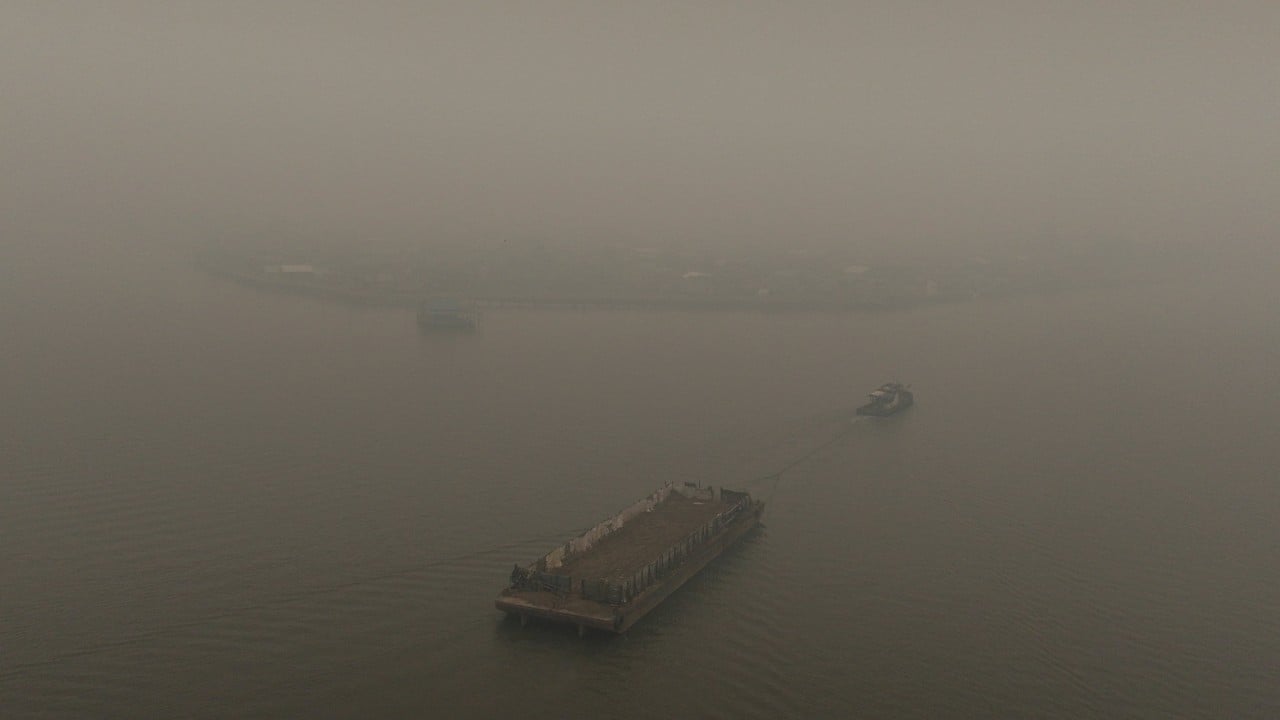
When a forest burns, the visible tragedy is the wall of orange flame devouring canopy and underbrush, followed by the choking haze that blankets Southeast Asia. But beneath the smoke lies a quieter, more devastating financial reckoning. Indonesia is staking its economic future on becoming a superpower in the global carbon market, aiming to monetize millions of hectares of tropical rainforests and peatlands. That ambition is currently colliding with an explosive reality.
More than 202,000 hectares of land burned across the archipelago during the first half of the year, pushing carbon emissions from fires to heights not seen in a decade. This escalation does more than strain local emergency services and hospital networks; it directly shreds the core asset class that corporations and foreign governments rely on to offset their greenhouse gas emissions. When ecosystems designated as carbon sinks flip into massive emission sources, the foundational math of the carbon market collapses. Buyers who thought they purchased permanent climate mitigation are discovering that their investments have gone up in literal smoke.
For an economy attempting to balance rapid industrial growth with stringent international climate pledges, this vulnerability threatens billions of dollars in prospective green revenue. It exposes structural flaws in how carbon credits are issued, insured, and audited. The crisis is forcing a brutal reassessment of whether tropical forestry projects can ever offer the permanence that corporate balance sheets demand.
Anatomy of a Smoldering Asset
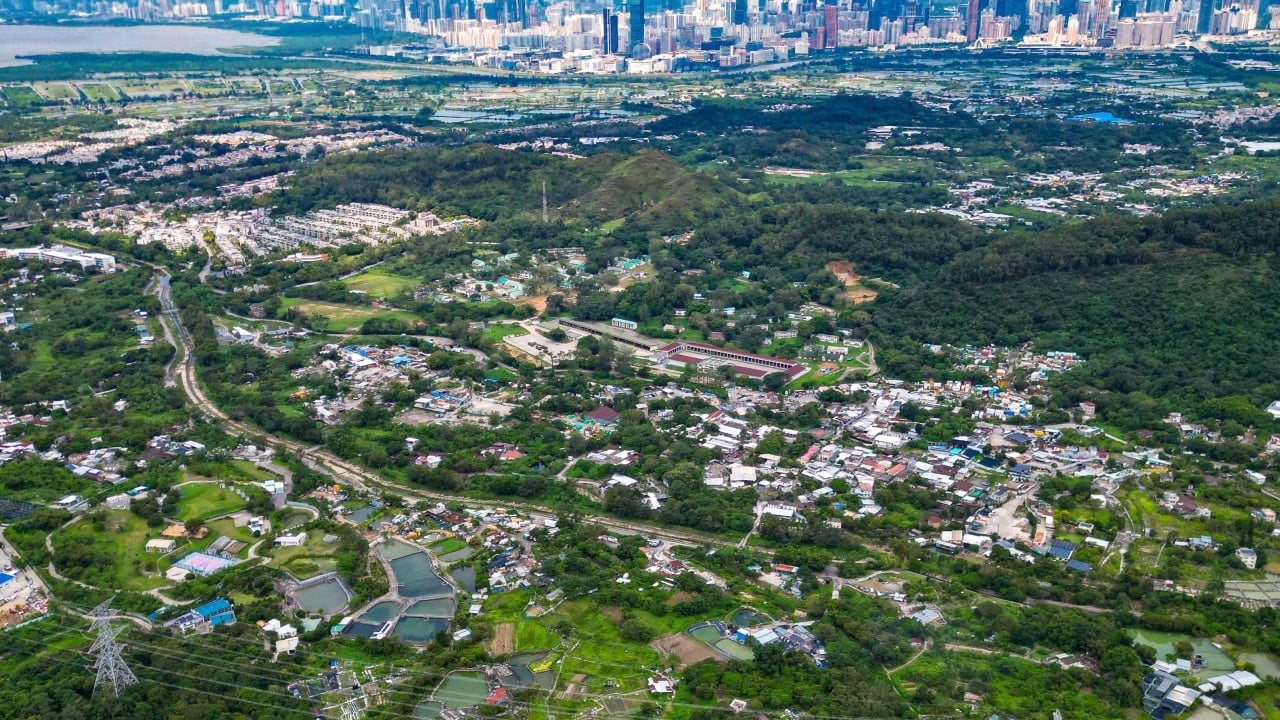
To understand why Indonesian wildfires strike at the heart of the national carbon economy, one must look below the surface soil. Tropical peatlands are among the most dense carbon reservoirs on Earth. Over millennia, layers of dead organic matter accumulated in waterlogged conditions, locking away carbon concentrations up to twenty times higher per hectare than standard mineral dirt.
In their natural, swampy state, these soils are fireproof. However, decades of commercial drainage for palm oil plantations, pulpwood concessions, and poorly planned agricultural canals have systematically lowered the water table across vast stretches of territory. Drainage dries out the organic layers, turning millions of hectares into a subsurface tinderbox.
When ignition occurs, driven by dry spells or agricultural clearing, the fire behaves unlike typical forest blazes. It burrows underground, smoldeirng through peat deposits for weeks or months. This releases ancient carbon stores that took thousands of years to accumulate.
The Mechanics of Credited Destruction
Carbon offset projects, such as the prominent Katingan Mentaya project in Central Kalimantan, operate on the premise that protecting specific tracts of forest stops emissions that would have otherwise occurred. Developers calculate baseline deforestation risks, measure carbon stocks, and issue credits sold to multinational corporations seeking compliance or voluntary offsets.
When wildfires breach these protected boundaries, the accounting logic fractures. Under standard carbon crediting rules, emissions resulting from a natural reversal—such as a fire fueled by drought—must be accounted for. Crediting agencies require projects to contribute a percentage of their issued credits into a shared buffer pool. These pooled credits act as an insurance policy against unexpected disasters.
Yet the scale of recent fire seasons places unprecedented strain on these safety reserves. If widespread fires destroy more carbon than the buffer pool holds, the deficit falls back on the project developers and corporate buyers. For a corporation that bought credits to neutralize its factory emissions, a retroactive invalidation means its net-zero claims are legally and scientifically compromised. This risk profile introduces extreme volatility into what was once marketed as a stable asset class.
The Economic Toll Beyond the Carbon Market
The financial damage extends far beyond canceled carbon contracts. Wildfires inflict severe, immediate shocks on domestic economic output, mirroring the devastation of the historic 2015 season, which cost Indonesia an estimated $28 billion.
Productivity and Supply Chain Paralysis
Thick toxic haze forces the closure of schools, airports, and commercial ports across Sumatra and Kalimantan. Regional commerce slows to a crawl as millions of citizens suffer from acute respiratory illnesses. The healthcare costs alone place a heavy burden on municipal budgets and national health insurance systems.
Agricultural yields suffer direct hits. Smallholder farmers and large plantation operators alike face crop damage, soil degradation, and logistical bottlenecks. Furthermore, international scrutiny over land management practices risks triggering trade friction. Global supply chain audits scrutinize agricultural commodities originating from regions scarred by repeated fires, creating compliance hurdles for key export sectors.
Tourism, another vital revenue stream, experiences immediate cancellations whenever smoke shrouds national parks and cultural destinations. Visitors cancel trips, and local hospitality businesses absorb steep revenue losses during what should be peak operational windows.
The Credibility Crisis on the Global Stage
Indonesia arrived at international climate summits, including recent negotiations in Antalya, bearing a dual message. Jakarta highlights its success in reducing official deforestation rates over the past decade while simultaneously pitching dozens of forestry and energy carbon projects to foreign partners like Japan.
However, international buyers and oversight bodies view these pitches through an increasingly skeptical lens. Critics point out a fundamental accounting contradiction: every ton of forest carbon credit sold and authorized for export to another country must be deducted from Indonesia’s own national climate targets. When fires release massive volumes of greenhouse gases into the atmosphere, the national emissions inventory swells, shrinking the margin available for export.
Selling credits while the national emissions gap widens undermines international trust. Independent verifiers and buyers demand rigorous Monitoring, Reporting, and Verification (MRV) frameworks. Without transparent tracking of fire-related emissions, foreign markets worry about double counting and illusory climate gains. If a carbon credit represents an emission reduction that was subsequently erased by an underground peat fire, the entire market mechanism loses its regulatory validity.
Rebuilding Without Safety Nets
Fixing this financial and ecological bottleneck requires moving past superficial offset accounting and confronting underlying systemic vulnerabilities. Restoring degraded peatlands requires more than political declarations; it demands massive capital investment in reflooding canals, re-establishing native vegetation, and maintaining high water tables year-round.
Enforcement agencies face mounting pressure to penalize illegal land-clearing practices that use fire as a cheap tool for agricultural conversion. Yet enforcement alone cannot combat the pressures of extended droughts driven by cyclical climate patterns.
For investors and project developers, the era of treating forest carbon as a risk-free financial instrument is over. Pricing models must now bake in the probability of catastrophic reversals. If insurance mechanisms and buffer pools fail to match the physical reality of recurring fire seasons, capital will flee to more stable, engineered carbon removal technologies. Indonesia holds the natural capital to dominate the green economy, but until it secures its forests against the flames, its economic ambitions will continue to burn away in the smoke.