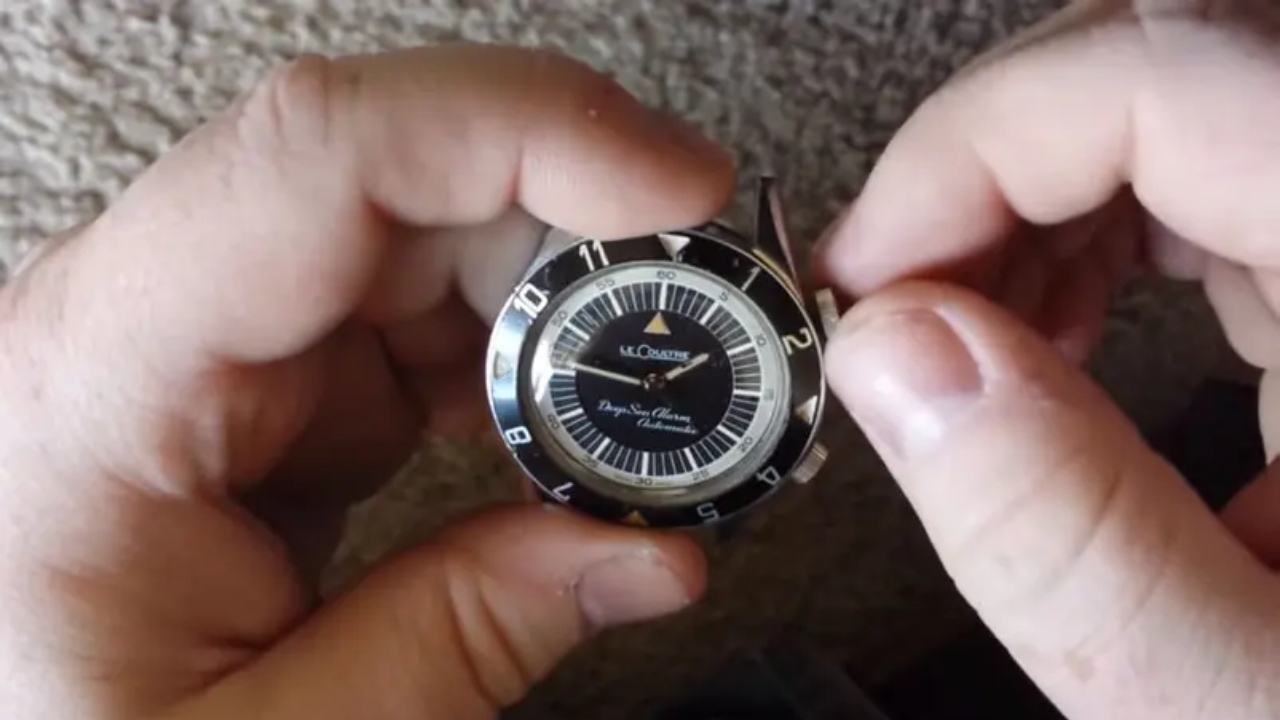
Every few years, the internet loses its collective mind over a garage sale miracle. A guy walks into a Goodwill, drops pocket change on a beat-up timepiece, gets it authenticated by some high-end auction house, and cashes out for thirty-five grand. The headlines write themselves. People love the lottery ticket narrative because it validates every impulsive purchase they have ever made. It whispers that wealth is just a lucky roll of the rusty metal dial away.
It is a complete fairy tale.
I have spent decades watching retail speculators, estate sale vultures, and amateur horologists burn capital chasing ghosts in dusty display cases. That six-dollar watch story is not a masterclass in investing. It is a statistical anomaly dressed up as a financial strategy. If you buy a lottery ticket and win, you do not become a financial genius; you become a survivor of extreme variance.
The Survivor Bias Trap
When the media reports on a thrift store score, they suffer from a massive case of survivorship bias. They show you the one guy who hit the jackpot on a vintage chronograph buried beneath plastic forks. They omit the ten thousand people who bought rusted junk, spent hundreds on failed maintenance, and ended up throwing away brass-plated garbage that wouldn't tell time if you shook it violently.
The lazy consensus in the vintage market is that value is hidden everywhere, waiting for a sharp eye to unearth it. That is nonsense. The market for vintage goods is hyper-efficient at the margins that matter. Professional pickers scour estate sales before dawn. Pawnshops run serial numbers before items ever hit the glass. If a watch is genuinely worth thousands of dollars, the odds of it slipping past every single professional eye for six bucks approach zero.
When it does happen, it is rarely due to superior knowledge. It is sheer, unadulterated luck combined with institutional ignorance on the part of a specific seller. Relying on luck as an asset allocation model is a great way to go broke.
The Liquidity Delusion
Let us talk about the thirty-five thousand dollar payout. People see that number and assume liquid wealth. They think of cash hitting a bank account ready to be deployed into productive assets.
The reality of secondary market liquidity is brutal. A watch is only worth what a motivated buyer with cash in hand will pay for it on a specific Tuesday afternoon. To realize that thirty-five grand, our lucky thrift store hero had to pay auction house buyer premiums, seller commissions, and authentication fees, not to mention capital gains taxes. By the time the dust settles, a huge chunk of that headline figure has evaporated into the ether of intermediary fees.
Liquidity in niche collectibles is an illusion. Try unloading an obscure, vintage, third-tier Swiss mechanical watch during a macroeconomic liquidity crunch. You will discover very quickly that antique steel and tritium do not pay rent. You are holding an illiquid asset subject to the whims of microscopic collector trends. One shift in vintage fashion, and your prized find is worth whatever melting scrap value dictates.
The Expertise Myth
Amateurs love to believe they can outsmart the experts by reading a few internet forums and buying a loupe. They think spotting a rare dial variant makes them an elite trader.
Real expertise in horology, or any antique market for that matter, is born from losing money on thousands of fakes, frankenwatches, and water-damaged movements. I have seen collectors blow small fortunes on redialed trash because they fell in love with a story rather than the physical reality of the movement.
A watch is a machine. Its value derives from engineering, manufacturing pedigree, historical significance, and mechanical condition. When you buy a six-dollar thrift store find, you are usually buying a neglected movement packed with dried oil, worn-out jewels, and micro-rust. A proper overhaul by a certified watchmaker can easily run upwards of a thousand dollars. Factor in the cost of parts, service delays, and the high probability that the piece has replacement components, and your margin shrinks rapidly.
Stop Collecting Junk as an Investment Strategy
If you buy a watch because you love the design, the history on your wrist, and the mechanical engineering, go for it. Enjoy the hobby. Wear the thing.
If you are buying cheap curiosities hoping to strike gold, you are playing a negative-sum game against professional dealers and algorithmic scrapers. You are paying a tuition fee to the universe disguised as a bargain hunt.
Stop treating thrift store bins like venture capital funds. Real wealth is built through compounding productive assets, systematic investing, and actual enterprise, not by waiting for a garage sale owner to misprice an heirloom.
Keep your six dollars. Put it in an index fund. You will sleep better.



