Everyone loves a good public flogging. When a court hands down a fine to a clout-chasing teenager caught on video committing a hygiene foul for internet points, the digital mob rejoices. The lazy consensus writes itself: swift justice, a deterrent against digital stupidity, and proof that the rule of law still works in a clean, orderly society.
Except it is completely backwards.
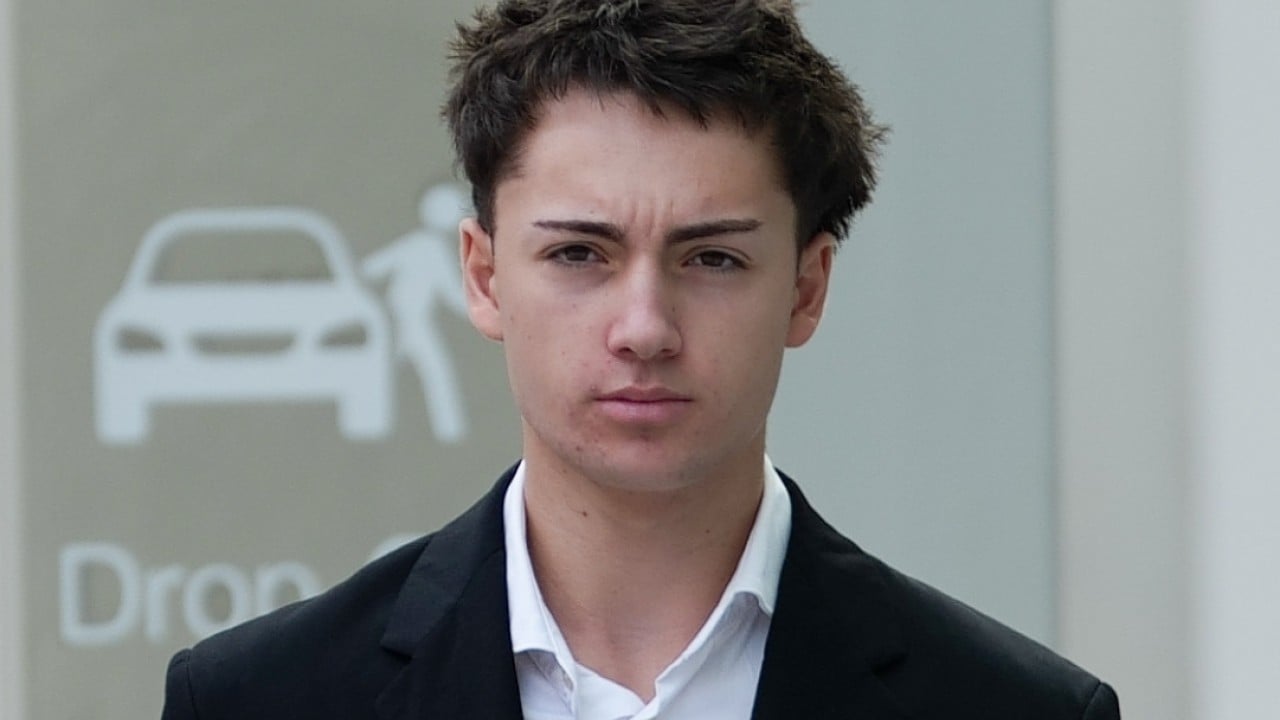
Let us look at the case of the French teenager in Singapore fined a meager US$465 for a viral straw-licking prank. The media framing treats this as a triumph of municipal discipline. I see an expensive, counterproductive misallocation of state machinery that fundamentally misunderstands how attention economies actually operate.
I have spent the last fifteen years watching institutions panic over internet stunts. I have seen corporate boards empty treasury reserves trying to scrub bad PR, and I have watched legal systems treat teenage idiocy as a national security threat. The Singaporean judiciary is usually sharper than this. By dragging this through the courts and slapping a pocket-change fine on a tourist, they did not deter bad behavior. They just subsidized it.
Let us dismantle the core premise keeping legal analysts warm at night: that punitive fines stop clout.
The Economics Of Cheap Infamy
The primary delusion here is elasticity. Traditional deterrence assumes that if you raise the cost of an illegal act, the frequency of that act drops. If you fine someone for jaywalking, jaywalking decreases. Simple math.
That model shatters the second an audience enters the equation.
A teenager licking a straw in a convenience store or a restaurant is not engaging in a rational economic calculation about criminal penalties. They are calculating CPM, engagement rates, and algorithmic velocity. To a kid chasing digital validation, a US$465 fine is not a deterrent. It is an entry fee. It is a marketing expense for a viral campaign.
Imagine a scenario where a foreign vlogger lands in a notoriously strict country known for caning and heavy fines. They need a stunt. They commit a minor, non-violent nuisance offense on camera. The local authorities arrest them, hold a high-profile court case, and levy a fine.
What happens the next morning?
The creator’s subscriber count triples. Their comment section explodes with defenders and detractors. Media outlets around the world run syndicated articles featuring their face, their handle, and a link to their social channels. The fine is paid off within forty-eight hours through creator fund payouts or crowdfunding from edgelord fans.
The state played right into the funnel. They became the distribution network for a nuisance.
The Fallacy Of Proportional Deterrence
The legal defense of this ruling usually relies on the sanctity of public trust and hygiene standards, especially in a dense urban environment like Singapore. The argument goes that strict enforcement protects the collective commons from bad actors.
This is where the theory falls apart upon contact with reality.
If the goal is public safety and hygiene, a fine of US$465 is a joke. It does not mitigate the germ vector. It does not clean the straw bin. It does not compensate the establishment for lost inventory or brand damage. It is a symbolic tax on bad manners.
Symbols are cheap. They make bureaucrats feel proactive while changing zero systemic outcomes. If Singapore genuinely wanted to protect its food and beverage ecosystem from viral pranksters, financial penalties on broke tourists are the least effective tool in the arsenal.
The real fix is radical irrelevance.
When platforms and legal systems stop feeding the beast with mainstream media validation and courtroom drama, the oxygen leaves the room. Teenagers do not lick straws in quiet rooms with the lights off. They do it for an audience. When the state treats a prank like a federal conspiracy, it grants the prankster the exact status they craved: the outlaw martyr fighting the system.
Why We Love The Quick Fix
Why do otherwise intelligent observers applaud these rulings? Because complexity is exhausting.
Dealing with the modern attention economy requires understanding decentralized distribution, algorithmic incentives, and cultural nihilism. It requires admitting that traditional state power has very little leverage over a kid with a smartphone who is willing to look foolish for views.
Writing a quick news item about a fine handed down by a judge is comforting. It wraps a messy, unfixable cultural rot into a neat little narrative: crime happened, state acted, justice served.
It is a comforting bedtime story for people who refuse to look at the scoreboard.
The scoreboard shows that viral prank culture has grown exponentially over the last decade, despite harsher penalties, public naming and shaming, and moral outrage from legacy commentators. Every time a court makes an example of someone, three more creators take notes on how to structure their next stunt to maximize regulatory friction without crossing the threshold into actual prison time. They optimize for the fine.
The Unspoken Trade-Off
My contrarian take comes with its own flaws, and I will be the first to admit them. Advocating for institutional silence or administrative ignoring of public nuisances feels deeply unsatisfying. It feels like surrender. It feels like letting the barbarians win.
If authorities ignore minor stunts, public spaces could theoretically degrade into a free-for-all where every influencer with a tripod treats local businesses as their personal playground. That is the genuine downside of my approach. Tolerance of minor infractions can metastasize into generalized lawlessness if left unchecked.
However, the current alternative is worse. The current alternative is weaponizing the high courts of a sovereign nation to act as a PR agency for TikTokers.
We are trading systemic deterrence for short-term emotional catharsis. Every time a judge bangs a gavel on a viral prankster, the algorithm rewards the prankster with a promotion. You cannot legislate away an economic incentive with a misdemeanor fine.
Stop treating internet stupidity as a crime wave requiring the full weight of the judiciary. Treat it for what it is: a desperate bid for attention by people who have nothing else to offer.
Starve them of the courtroom spotlight. Delete the coverage. Let the video get two hundred views and die in obscurity. That is the only penalty that actually hurts.