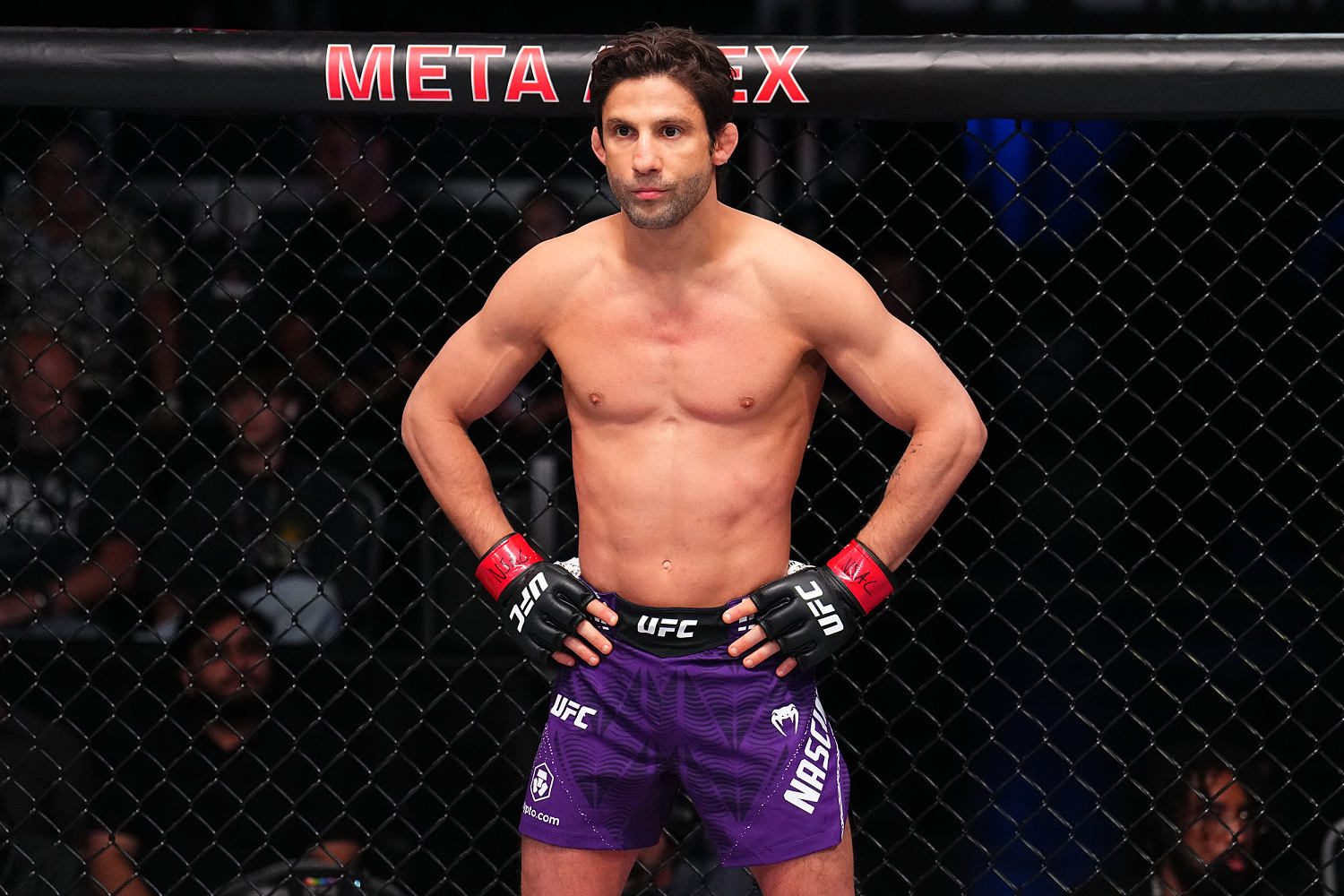
The combat sports community woke up to a devastating and bewildering reality when news broke that UFC fighter Allan Nascimento died at the age of 34 following an apparent heart attack in his sleep. For fans and analysts who watched him compete inside the Octagon, the shock was immediate. How does a professional athlete, someone conditioned to peak physical performance and subjected to rigorous athletic medical clearances, suffer a fatal cardiac event in the quiet hours of a routine night?
This loss leaves a profound void in the flyweight division and forces a hard, uncomfortable look at the hidden physical toll exacted by modern mixed martial arts. Elite competition demands extraordinary measures. Athletes push their cardiovascular and metabolic systems to absolute extremes, repeatedly cycling through brutal weight cuts, intense training camps, and the physical trauma inherent to combat sports. When a tragedy like this strikes a young competitor, it strips away the glamorous veneer of pay-per-view events and reveals the precarious tightrope these athletes walk.
The Weight Cutting Mechanism and Cardiovascular Strain
To understand the mechanics behind sudden cardiac events in combat sports, one must look closely at the process of weight cutting. The sport operates on a strict divisional weight class system. Fighters routinely walk around significantly heavier than the limit required on weigh-in day.
To bridge this gap, athletes resort to acute dehydration and severe caloric restriction in the final days leading up to a fight. They manipulate water, sodium, and carbohydrate intake to shed upwards of ten to twenty pounds of water weight in less than forty-eight hours.
This process thickens the blood, placing an immense, unnatural burden on the cardiovascular system. The heart must pump sludge-like blood through constricted vascular pathways. Electrolyte imbalances, particularly involving potassium and magnesium, can trigger dangerous cardiac arrhythmias. Even though Nascimento was not actively cutting weight at the exact moment of his passing, the cumulative vascular and myocardial stress of a career spent cycling through extreme weight fluctuations leaves lasting physiological scars.
Myocardial fibrosis, or the scarring of heart tissue, is an insidious condition that can develop over years of athletic overexertion and severe dehydration cycles. Routine pre-fight medical evaluations often rely on standard blood panels and basic electrocardiograms. These baseline tests frequently fail to catch micro-structural changes in the heart muscle until it is too late.
The Invisible Price of Elite Training Camps
The human body has a finite capacity to absorb punishment. A typical training camp for a UFC athlete spans eight to ten weeks of sustained physical violence and exhaustion. Fighters spar hard, wrestle through injuries, and accumulate repetitive sub-concussive and concussive impacts.
The chronic systemic inflammation resulting from this relentless schedule affects more than just joints and bones. It creates an environment of persistent oxidative stress. The autonomic nervous system, which regulates heart rate and blood pressure, becomes chronically dysregulated.
When an athlete finally rests, the body attempts to repair the accumulated damage. Sometimes, the autonomic switch fails to properly regulate cardiac rhythms during deep sleep. Sleep apnea, which is surprisingly prevalent among athletes with thick neck musculature and heavy upper bodies developed through wrestling and grappling, also plays a silent role. Unmanaged sleep apnea causes repeated nocturnal drops in blood oxygen levels, triggering adrenaline surges that spike blood pressure and strain the heart while the person is entirely unconscious.
The Shortcomings of Current Athletic Commission Protocols
Athletic commissions and promotion medical teams shoulder the responsibility of fighter safety, yet the current medical screening framework remains reactive rather than proactive. Standard licensing procedures typically require basic blood work, an eye exam, and a standard resting electrocardiogram.
These measures check a box for legal liability, but they lack the depth required to catch latent cardiovascular anomalies in high-performance athletes. Advanced screening tools such as echocardiograms, cardiac magnetic resonance imaging, and comprehensive coronary artery calcium scoring are rarely mandated due to cost and logistical hurdles.
Without deep diagnostic profiling, athletes with minor, asymptomatic heart conditions slip right through the cracks. They are cleared to fight, train, and push their bodies past sensible limits because they look and feel healthy on the surface. The athletic ecosystem treats the human body as an infinitely durable machine rather than a biological organism with strict physical boundaries.
Changing the Culture of Silence in Combat Sports
Fighters are, by nature and necessity, extraordinarily tough. They are conditioned to ignore pain, dismiss physical warnings, and push through discomfort. This psychological armor, which makes them elite competitors, also makes them dangerously vulnerable to medical oversight.
There is an implicit fear among athletes that reporting strange heart palpitations, chronic chest tightness, or unusual fatigue during training will result in lost income, canceled fights, or a revoked license. This culture of silence forces fighters to self-diagnose and normalize symptoms that should trigger immediate medical intervention.
Protecting fighters requires dismantling this stigma. Promotion leadership, coaching staffs, and management teams must foster an environment where health disclosures do not jeopardize a fighter's livelihood. Independent medical advocacy groups could bridge this gap by providing confidential health assessments and psychological support without ties to promotional booking schedules.
Allan Nascimento's death at 34 is not just an isolated tragedy. It is a symptom of an industry that demands superhuman outputs from human physiology without always providing the infrastructure to monitor the long-term cost. As the sport of mixed martial arts continues to grow in scale and financial value, the physical safety of its athletes must evolve beyond basic compliance. Honor for those who step into the cage requires confronting these uncomfortable truths, updating medical standards, and ensuring that no other fighter pays the ultimate price behind closed doors in the dead of night.