The coffee cup is still warm on the table, or it was, before the glass shattered into a thousand jagged diamonds across the linoleum. Down in southern Lebanon, mornings arrive with a heavy, deceptive stillness. The mist clings to the olive groves, and the air smells of dust and damp earth. Then the sound splits the world in two. It is not a thunderclap. It is sharper, heavier, metal tearing through the troposphere, carrying an invisible mandate of destruction.
Four lives ended in a fraction of a second.
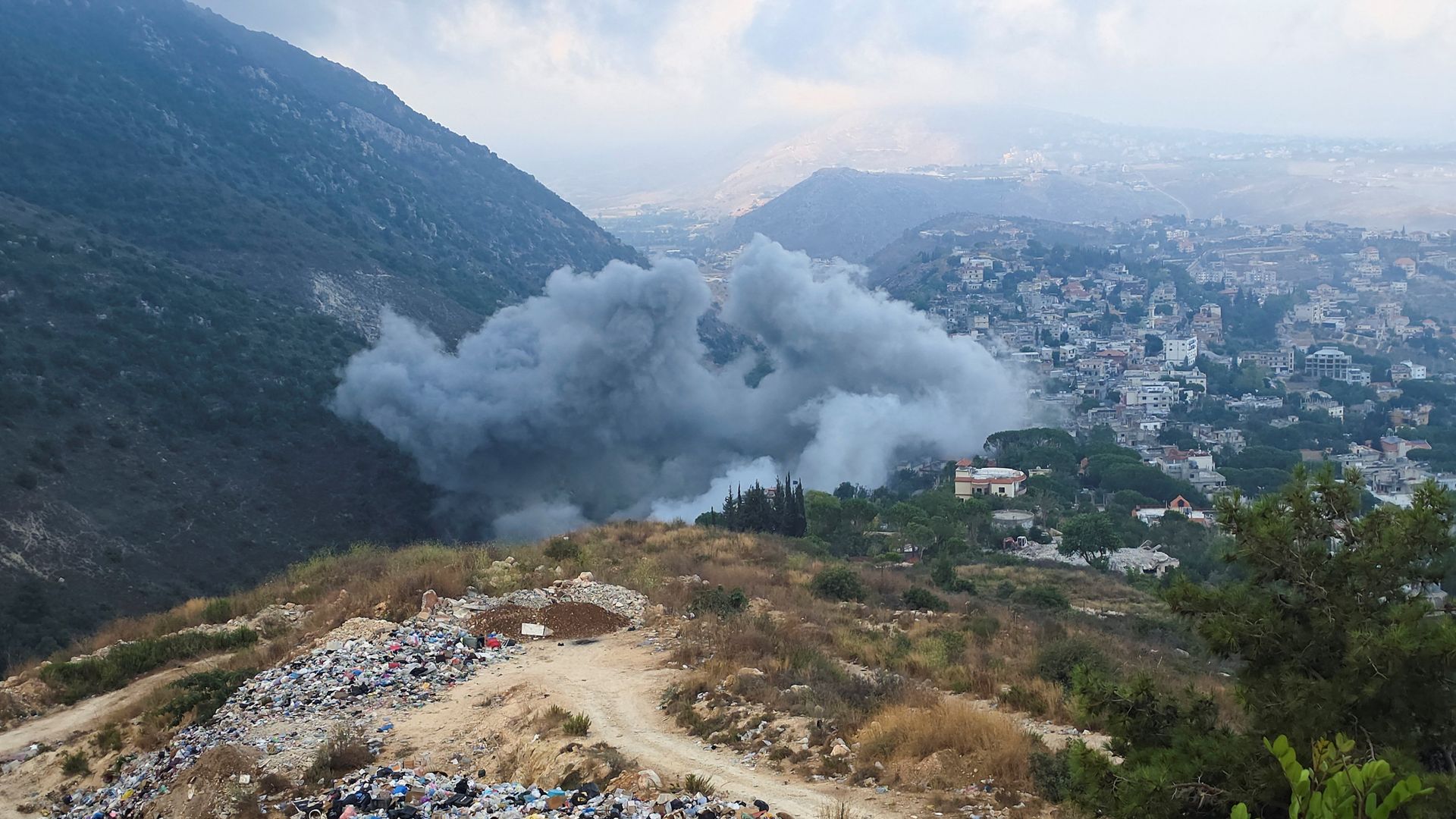
Reports from the region confirm that Israeli strikes hit targets in southern Lebanon, claiming four lives and leaving behind smoking craters where homes and ordinary routines once stood. Dry statistics on a screen. A ticker tape scrolling past while people half a world away pour another cup of tea. But behind every digit in that grim tally lies a shattered universe—a kitchen table left empty, a pair of shoes by the door that no one will ever tie again, a voice silenced mid-sentence.
Consider what happens next in these border villages.
The immediate aftermath is a cacophony of sirens, shouting neighbors, and the desperate scramble of first responders pulling debris away with bare hands. Dust cakes their eyelashes and turns their sweat into mud. They are looking for signs of life in spaces that were meant for living, not dying. A child’s red backpack half-buried under concrete. A photograph frame with the glass cracked right across a smiling face. These are the details that the strategic briefs omit. Military analysts talk about trajectories, payload capacities, and deterrence thresholds. They speak of southern Lebanon as a theater of operations, a chessboard where pawns are sacrificed for strategic positioning.
To the people who wake up beneath that flight path every single day, it is not a theater. It is home.
I remember the quality of light just before an impact—that strange, amber stillness where even the birds go quiet, sensing the pressure drop long before human ears can process the incoming threat. It is a terrifying sensory memory. Your stomach drops. Your hands shake, not out of cowardice, but from the visceral, biological realization that your body is remarkably fragile. We spent generations building stone houses with thick walls, hoping they would be enough to keep the outside world at bay. Concrete and rebar. Ancestral olive trees rooted deep in the limestone. None of it prepares you for the sheer indifference of modern ordnance.
The geopolitical calculus behind these strikes is endlessly debated in air-conditioned rooms in distant capitals. Retaliation. Cross-border fire. Escalation dominance. The vocabulary is clinical, designed to distance the speaker from the consequence. Yet, every single strike reshapes the human topography of the Levant. Families pack what they can fit into the trunk of a battered sedan and head north, joining an endless caravan of headlights winding through the dark. They become refugees in their own country, staying with relatives in crowded apartments or sleeping in school gymnasiums, listening to the radio for news of whether their village still exists.
Nothing stays intact.
The loss of four lives in a single day is a tragedy, but it is also part of a grinding attrition that wears down the human spirit until endurance feels like a cruel joke. How much uncertainty can a community absorb before something fundamentally breaks inside its collective psyche? The children growing up in these border zones know the whistle of incoming fire better than they know the names of constellations. They draw pictures of drones in the margins of their notebooks. That is the true, unquantifiable cost of this ongoing violence—the quiet theft of a normal childhood, replaced by a hyper-vigilant survival instinct that stays with a person long after they manage to cross a border or find safety.
We look for meaning in the wreckage. We demand explanations from leaders who speak in boilerplate phrases about security and defense, as if those words could ever resurrect the dead or rebuild a shattered roof. But the answers never match the magnitude of the grief.
The dust settles over the olive groves. The smoke thins into the pale Mediterranean sky. Down in the valley, someone is already sweeping up the glass, folding a blanket, and trying to figure out how to survive the coming night.