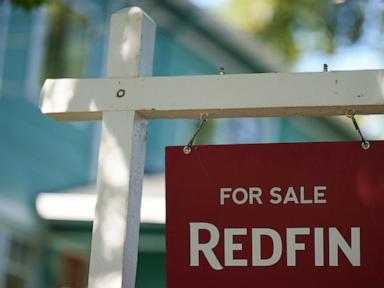
The financial press is currently celebrating a collective sigh of relief. Headlines are shouting from the rooftops that the average US long-term mortgage rate has dipped to 6.48%, retreating from its highest level in nine months. Mainstream analysts are giddy, treating this minuscule drop like a gift from the heavens that will miraculously save the frozen housing market.
They are dead wrong.
Celebrating a drop to 6.48% is like cheering because the thermometer in hell dropped from 100 degrees to 98. It is a meaningless blip that changes absolutely nothing about the underlying rot in housing affordability.
Worse, this obsession with micro-fluctuations in the 30-year fixed rate is a massive distraction. By focusing entirely on whether Freddie Mac’s weekly survey ticks up or down by twenty basis points, buyers and sellers are missing the real macro shifts happening right beneath their feet.
The media wants you to believe that the "lazy consensus" is true: lower rates mean the market is healing, buyers should jump back in, and normalcy is returning. Let's dismantle that illusion right now.
The Illusion of Affordability
Let's do some basic math that the talking heads seem to ignore.
Suppose you are looking at a $400,000 home with a 20% down payment, meaning you need a $320,000 mortgage.
- At a 7% interest rate, your monthly principal and interest payment is roughly $2,129.
- At this newly celebrated 6.48% rate, that same payment drops to about $2,018.
You are saving $111 a month.
In exchange for that extra hundred bucks in your pocket, you are entering a market where inventory remains painfully tight because millions of existing homeowners are locked into sub-3% rates from the pandemic era. They aren't moving for a 6.48% rate. Therefore, any slight dip in rates simply triggers a rush of desperate buyers back into the market, driving asset prices even higher.
You save a fraction on interest, only to pay tens of thousands more on the purchase price. It is a losing trade.
During my years advising institutional real estate funds, I watched rookie investors blow millions of dollars by timing entry points based on short-term rate dips. They thought they were being clever. Meanwhile, the veteran players ignored the weekly noise entirely. They focused on structural inventory shortages and free cash flow.
If you are waiting on the sidelines for rates to hit 6% so you can finally afford a home, you are asking the wrong question entirely. The question shouldn't be "When will rates drop?" The question must be "Why am I trying to buy an overvalued asset in an illiquid market using maximum leverage?"
Dismantling the Flawed Premises of the Housing Market
Look at the standard questions cluttering your search feeds. The premises behind them are completely broken.
Will home prices drop if mortgage rates stay above 6%?
The conventional wisdom says high rates destroy demand, which forces prices down. That is Econ 101 textbook theory, and it fails in the real world. Prices aren't dropping because supply is artificially choked. The "lock-in effect" is a powerful psychological and financial anchor. When someone has a 2.75% mortgage, moving to a new house with a 6.48% mortgage means doubling their interest expense for the exact same standard of living. Until unemployment spikes brutally and forces foreclosures, supply will remain strangled, keeping prices stubbornly high regardless of these minor rate retreats.
Is it better to rent or buy when rates are at 6.48%?
The absolute answer for most metropolitan areas right now is to rent and invest the difference. The financial industry has spent decades brainwashing the public into believing that renting is "throwing money away" while buying is "building equity."
Let's look at the unrecoverable costs of homeownership at 6.48%. In the first five years of a 30-year mortgage at these rates, more than 80% of your monthly payment goes directly to interest. Add in property taxes, homeowner's insurance (which is currently skyrocketing across the country), maintenance, and HOA fees. None of that builds equity. It is gone forever, just like rent. When you map out the opportunity cost of tying up a massive down payment in an illiquid asset versus compounding that cash in liquid equities, ownership right now looks less like an investment and more like an expensive lifestyle choice.
The Real Yield Curve Reality
To understand why a 6.48% mortgage rate is a trap, we have to look at the plumbing of the financial system. Mortgage rates do not move because the Federal Reserve cuts its benchmark rate; they track the yield on the 10-year US Treasury bond.
Historically, the spread between the 10-year Treasury yield and the 30-year fixed mortgage rate is about 150 to 180 basis points. Recently, that spread has been wildly elevated, sometimes hovering near 300 basis points.
Why? Because banks are terrified of prepayment risk and volatility.
Standard Historical Spread:
10-Year Treasury Yield + 1.5% to 1.8% = Mortgage Rate

Current Volatility Spread:
10-Year Treasury Yield + 2.5% to 3.0% = Mortgage Rate
When a bank issues you a mortgage at 6.48%, they know there is a high probability you will try to refinance the moment rates drop significantly. To protect themselves against that risk, they charge you a premium upfront via a wider spread. You are paying a penalty built into your interest rate specifically because the market knows you want to escape that rate eventually.
Furthermore, relying on a future refinance is a dangerous gamble. "Marry the house, date the rate" is a predatory marketing slogan invented by mortgage brokers desperate to hit their quarterly volume targets. If home prices dip even slightly over the next two years, you could easily find yourself underwater on your loan. You cannot refinance a property if you owe more than it is worth, leaving you permanently stuck with the high rate you thought you were just "dating."
The Counter-Intuitive Playbook for the Modern Market
If you want to actually build wealth instead of funding a bank's balance sheet, you need to abandon the traditional home-buying playbook. It is obsolete. Here is the unconventional strategy that actually works in a high-rate environment.
1. Weaponize High Cash Yields
While mortgage rates are hovering around 6.5%, short-term Treasury bills and high-yield savings accounts are still offering solid returns. Instead of dumping $80,000 of liquid cash into a down payment to secure a massive debt obligation, keep that capital liquid. Let it compound safely while earning yield. You maintain total optionality, zero maintenance stress, and the ability to move instantly if an actual market correction occurs.
2. Force Equity Through Asymmetry
If you absolutely must buy real estate, stop looking at turnkey suburban homes. At 6.48%, you cannot afford to pay a premium for someone else's renovation. You must find asymmetric opportunities where you can force equity. This means looking for properties with structural, aesthetic, or zoning flaws that scare off traditional buyers. You buy the asset at a deep discount, use cash to fix the flaws, and create value that completely outpaces the drag of your interest rate.
3. Demand Seller Financing
Forget the traditional banking apparatus entirely. There are millions of older homeowners who own their properties outright and are facing massive capital gains taxes if they sell traditionally. Approach these sellers directly or through sophisticated agents to structure a seller-financed installment sale. You can often negotiate an interest rate well below the market average of 6.48%, while the seller gets a steady stream of income without the immediate tax hit of a lump-sum sale. It is a win-win that bypasses Wall Street completely.
The Downside to Going Against the Grain
Let’s be entirely transparent. Taking this contrarian stance requires thick skin and a high tolerance for FOMO (Fear Of Missing Out).
If you choose to rent, hoard cash, and wait out this distorted market, your friends and family will likely judge you. They will show off their new suburban backyards while you are dealing with a landlord. If the federal government steps in with massive, artificial buyer subsidies, home prices could stay irrational for much longer than anyone expects, meaning you will have to watch from the sidelines while others experience paper gains.
But paper gains do not buy groceries, and they do not survive real economic downturns.
The current celebration over a 6.48% mortgage rate is proof of how desperate the mainstream media is to manufacture a narrative of recovery. Do not fall for it. A minor retreat from a nine-month high is not a green light to take on hundreds of thousands of dollars in high-interest debt. It is a warning sign that the market is stuck in a volatile, stagnant equilibrium. Stop watching the weekly rate trackers, stop listening to brokers who only get paid when you sign on the dotted line, and stop treating a liability like an investment.