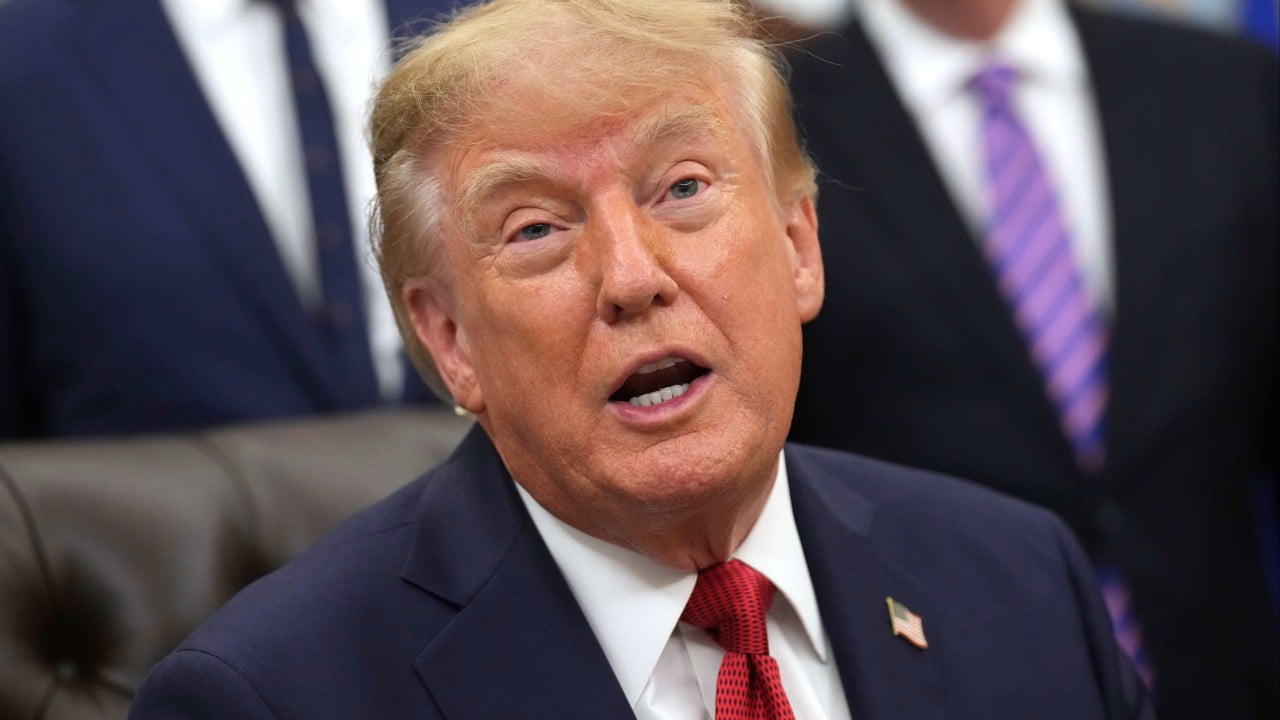
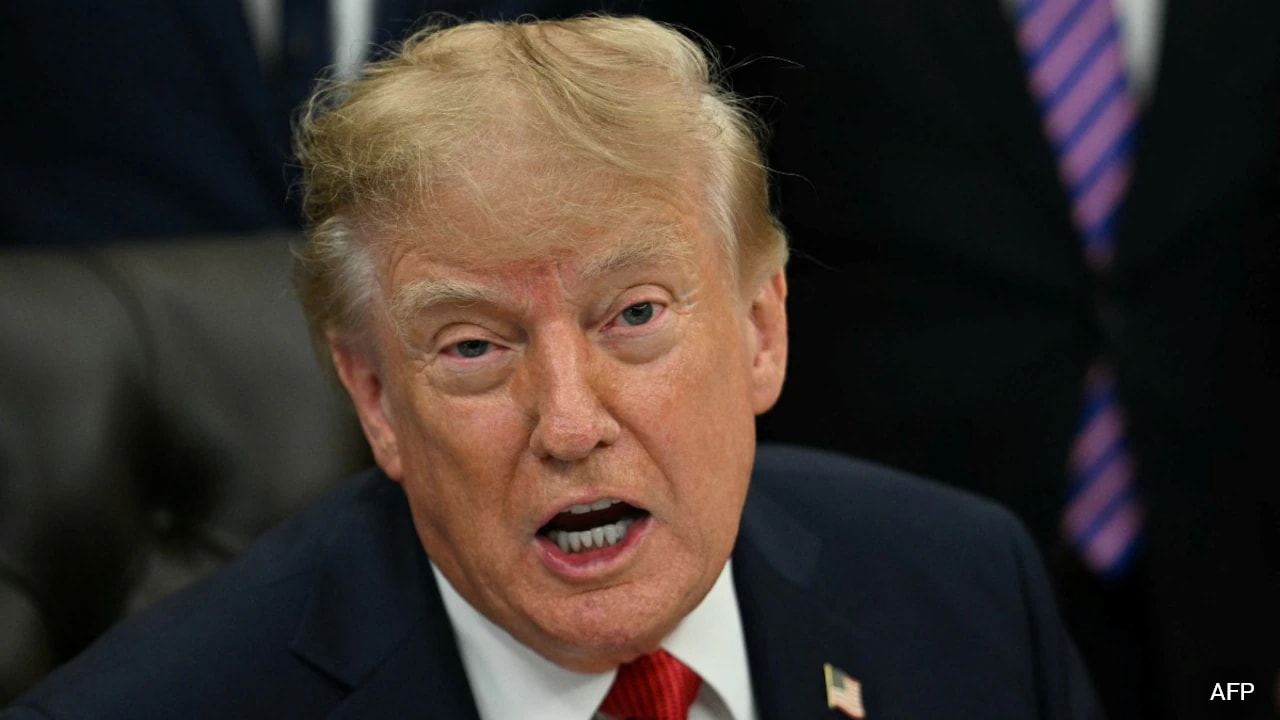
Every major financial desk and cable news network popped champagne when Claudia Sheinbaum announced she reached an understanding with Donald Trump. Headlines across the globe breathed a collective sigh of relief. The narrative took root instantly: cooler heads prevailed, North American trade is secure, and the manufacturing boom across Mexico has a clear runway.
It is a comforting fantasy. And it is entirely wrong. Meanwhile, you can read similar developments here: Structural Mechanics of Retail Brokerage Expansion A Financial Architecture Analysis.
When politicians swap pleasantries and declare mutual victories, sophisticated operators check their inventory and audit their supply chains. I have spent two decades watching executives lose billions because they mistook diplomatic pageantry for structural reality. A press release from Mexico City or a post on a social media feed does not rewrite the laws of international trade economics, nor does it suspend the protectionist gravity pulling Washington apart from its largest trading partner.
The consensus view suggests that diplomacy shields commerce. The brutal truth is that commerce is currently driving off a cliff while the drivers wave at each other through the windshield. To explore the full picture, we recommend the recent report by The Wall Street Journal.
The Nearshoring Mirage And The Power Grid Wall
For the last three years, corporate boardrooms have treated Mexico as the universal fix for fractured supply chains. If you cannot produce in Shenzhen, build it in Monterrey or Tijuana. Factories sprouted across northern states like weeds after rain. Consultants sold projections of endless industrial growth, whispering magic words about proximity and labor arbitrage.
Here is what the cheerleaders conveniently omit from their pitch decks. You cannot run a precision manufacturing facility without reliable electricity. You cannot scale automotive assembly lines when the local electrical grid operates on duct tape and prayer.
Mexico faces a severe power generation deficit. State utility monopolies have choked private renewable energy investment, leaving industrial parks starved for steady wattage. When factories experience rolling blackouts, assembly lines halt, tooling breaks, and defect rates skyrocket. Proximity to the United States matters very little if your stamping presses sit idle for six hours every afternoon because the transformer down the street melted.
Security logistics add another tax that corporate spreadsheets bury under vague line items. Extortion, highway cargo theft, and cartel tax collection on federal transit routes are not minor operational inconveniences. They are systemic costs baked into every container rolling north. When executives calculate labor savings in Mexico, they routinely forget to factor in armored transport escorts, private security details, and insurance premiums that would make a New York City risk officer sweat.
The Chinese Backdoor Trap
Washington politicians care about one metric above all others in cross-border trade. They care about China.
For months, US lawmakers from both parties have watched Chinese manufacturing conglomerates plant flags deep inside Mexican industrial zones. These operations import semi-finished components from Asia, slap a minor assembly label on them in a Mexican warehouse, and ship them across the Rio Grande duty-free under trade pact preferences.
Do not expect the Trump administration to tolerate this loophole for a single second.
The rules of origin embedded within modern trade agreements are not guidelines; they are tripwires. When the White House demands stricter regional value content percentages for automobiles, electronics, and heavy machinery, Mexican assembly plants will find themselves trapped between two impossible choices. Source components locally from domestic supply chains that do not exist yet, or pay punitive tariffs that erase profit margins entirely.
Sheinbaum can negotiate until her staff collapses from exhaustion, but she cannot manufacture an advanced semiconductor supply chain or a domestic aluminum smelting industry out of thin air. The structural dependency on Asian raw materials remains absolute. When Washington targets transshipment, Mexican export volumes will take a direct hit, regardless of how friendly the phone calls between capitals appear on television.
The 2026 USMCA Executioner Block
Look past the immediate headlines and look at the actual calendar. The trilateral trade pact governing North America faces its mandatory joint review.
This review is not a routine bureaucratic check-in. It is an executioner block designed to expose every raw nerve in the tripartite relationship. Every six years, each signatory nation holds the absolute power to tank the agreement or demand radical concessions under threat of total withdrawal.
Think about the political alignment across the region during this review cycle. Washington operates under an administration that views trade deficits as a personal insult and multilateral pacts as institutional weakness. Ottawa faces intense domestic political pressure over immigration and border enforcement. Mexico City navigates constitutional overhauls that have rattled foreign investor confidence regarding judicial independence and regulatory predictability.
In this environment, trade agreements are fragile truces, not permanent treaties. Assuming that a preliminary agreement signed today guarantees stability through the decade ignores the fundamental volatility of modern geopolitical trade warfare. Companies that treat the USMCA as a permanent insurance policy are driving blindfolded toward a concrete wall.
How To Profit From The Chaos While Competitors Sleep
Most market participants respond to trade friction with paralysis. They wait for clarity. They wait for the next summit. They wait for politicians to hand them a clean operating manual.
Waiting is financial suicide.
If you manage supply chains or capital allocation in North America right now, your playbook requires an immediate rewrite. Abandon the assumption that cross-border logistics will remain frictionless. Prepare for sudden tariff shocks on components carrying indirect Asian provenance. Audit your tier-two and tier-three suppliers today to trace raw material origins down to the molecule, because customs enforcement agencies are sharpening their audit teeth.
Diversify your energy dependencies. If your Mexican operations rely solely on the public grid, install dedicated industrial backup generation immediately. Treat security redundancy not as an overhead burden, but as a core operational necessity.
The companies winning this decade are not the ones cheering for diplomatic breakthroughs. They are the ones building internal resilience against inevitable structural shocks.
Diplomacy is theater. Supply chains are war. Prepare accordingly.