You see some wild things on Facebook Marketplace. Used couches with suspicious stains, outdated electronics, and sometimes, outright illegal contraband. A Florida man learned the hard way that trying to flip protected wildlife parts online is one of the quickest ways to get a knock on your door from federal law enforcement.
The man tried to list what he claimed was a rare turtle shell on the social platform. He probably thought he was just making a quick buck off a cool oddity. Instead, he ended up in the crosshairs of state and federal wildlife officers. It's a classic case of supreme internet cluelessness met with the absolute hammer of wildlife protection laws.
Here is what went down, why the law treats this with extreme seriousness, and why you should never try to sell animal parts online.
The Marketplace Listing That Blew Up in a Seller's Face
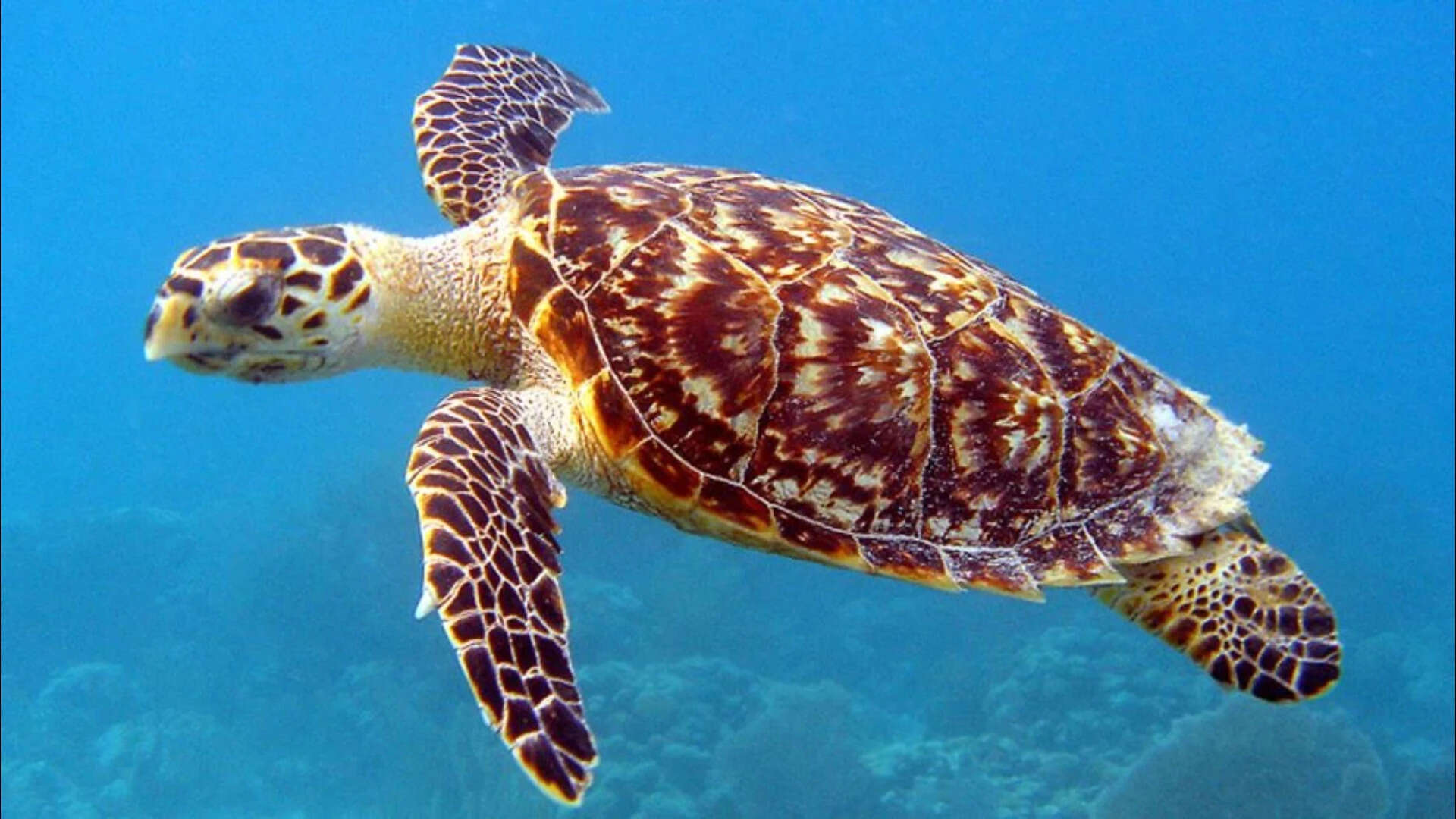
The listing seemed simple enough. A user uploaded photos of a large, polished sea turtle shell, hoping to find a collector willing to pay top dollar. For those who do not know, green sea turtles and loggerheads are iconic species in Florida waters. They are also heavily protected.
Florida Fish and Wildlife Conservation Commission (FWC) investigators monitor online platforms. They do it constantly. Undercover officers regularly browse local buy-and-sell groups, Craigslist, and Facebook Marketplace looking for exactly this kind of illegal trade. When they spotted the listing, they did not just leave a comment asking if the item was still available. They set up a sting.
Undercover investigators contacted the seller, posing as interested buyers. They arranged a meeting to inspect the shell and hand over the cash. Once the seller showed up and presented the protected sea turtle shell, the trap snapped shut.
Officers seized the shell immediately. The seller faced serious charges. People often assume that if they found an item on a beach or inherited it from a relative, they have a right to sell it. They do not. The law does not care about your ignorance of wildlife regulations.
The Absolute Power of the Endangered Species Act and Lacey Act
To understand why this is a massive deal, you have to look at the legal framework protecting these animals. We are not talking about a minor slap-on-the-wrist citation. Selling sea turtle parts violates both state laws and major federal statutes.
The Endangered Species Act (ESA) makes it completely illegal to import, export, take, possess, sell, or transport endangered or threatened species. All species of sea turtles found in US waters are listed as either endangered or threatened.
Then you have the Lacey Act. This is the oldest federal wildlife protection law in the United States, and it packs a massive punch. It prohibits trade in wildlife, fish, and plants that have been illegally taken, possessed, transported, or sold. Once you cross state lines or use an interstate commerce platform like Facebook to sell these items, you are playing in federal territory.
The True Cost of a Wildlife Conviction
If you get caught violating these laws, the penalties will ruin your life. We are talking about:
- Fines that can easily reach $50,000 or more per violation.
- Up to a year in federal prison for misdemeanor violations, and much longer for felony trafficking.
- A permanent criminal record that will follow you every time you apply for a job or try to rent an apartment.
When you weigh a few hundred bucks of quick cash against federal prison time, the math simply does not work out.
The Myth of the Grandfather Clause
A common excuse wildlife officers hear is, "My grandfather found this on the beach in the 1960s, so it is legal."
This is almost always flat-out wrong. While some antique items containing wildlife parts can legally exist under very narrow, highly documented exemptions, selling them is a completely different story. To legally sell any antique item containing parts of an endangered species, you need airtight documentation proving the item's age, origin, and legal entry into the market before the protective laws were enacted.
Without official permits and documented provenance, that shell sitting in your attic is a legal radioactive hazard. The moment you offer it for sale, you have committed a crime.
Why Sea Turtle Shells are So Strictly Protected
Some people wonder why the government cares so much about a piece of bone and keratin. The reason is simple. Sea turtle populations have been absolutely devastated over the past century.
These animals face threats at every stage of their lives. Raccoons and birds dig up their nests on beaches. Artificial lights confuse hatchlings, sending them crawling toward busy roads instead of the ocean. Boat propellers strike adult turtles, and commercial fishing nets drown them.
On top of all that, the black market demand for tortoise shell jewelry, ornaments, and decor items drives poaching. By completely banning the sale and trade of these parts, governments aim to destroy the economic incentive for poachers. If there is no market, there is no reason to kill the turtles.
When someone tries to sell a shell on Facebook, they are keeping that illegal market alive. It does not matter if the turtle died of natural causes fifty years ago. Allowing a legal market for "found" shells creates an easy loophole for poachers to launder freshly poached shells as antiques. The law blocks this by banning almost all sales across the board.
What to Do If You Find or Inherit Protected Wildlife Parts
If you find yourself in possession of a sea turtle shell, whale bone, or ivory item that you inherited, you have a few choices. None of them involve posting it online for quick cash.
First, you can keep it as a personal heirloom, provided you do not attempt to sell or transport it across state lines. Possession can still be tricky depending on local state laws, so check with your local wildlife agency first.
Second, you can donate it to a museum, educational institution, or scientific organization. These groups can often legally obtain permits to possess these items for public education.
Third, you can surrender it to state wildlife officials or the US Fish and Wildlife Service. They will ensure it is disposed of properly or used for educational purposes to train officers and teach the public about conservation.
If you ever see someone listing protected wildlife parts on Facebook Marketplace, eBay, or Craigslist, do not engage with the seller. Report the listing to the platform immediately, and then make a quick call to your state wildlife tip line. You might just help shut down an illegal trade ring before more animals are harmed. Keep your hands off the merchandise and keep your listings legal.