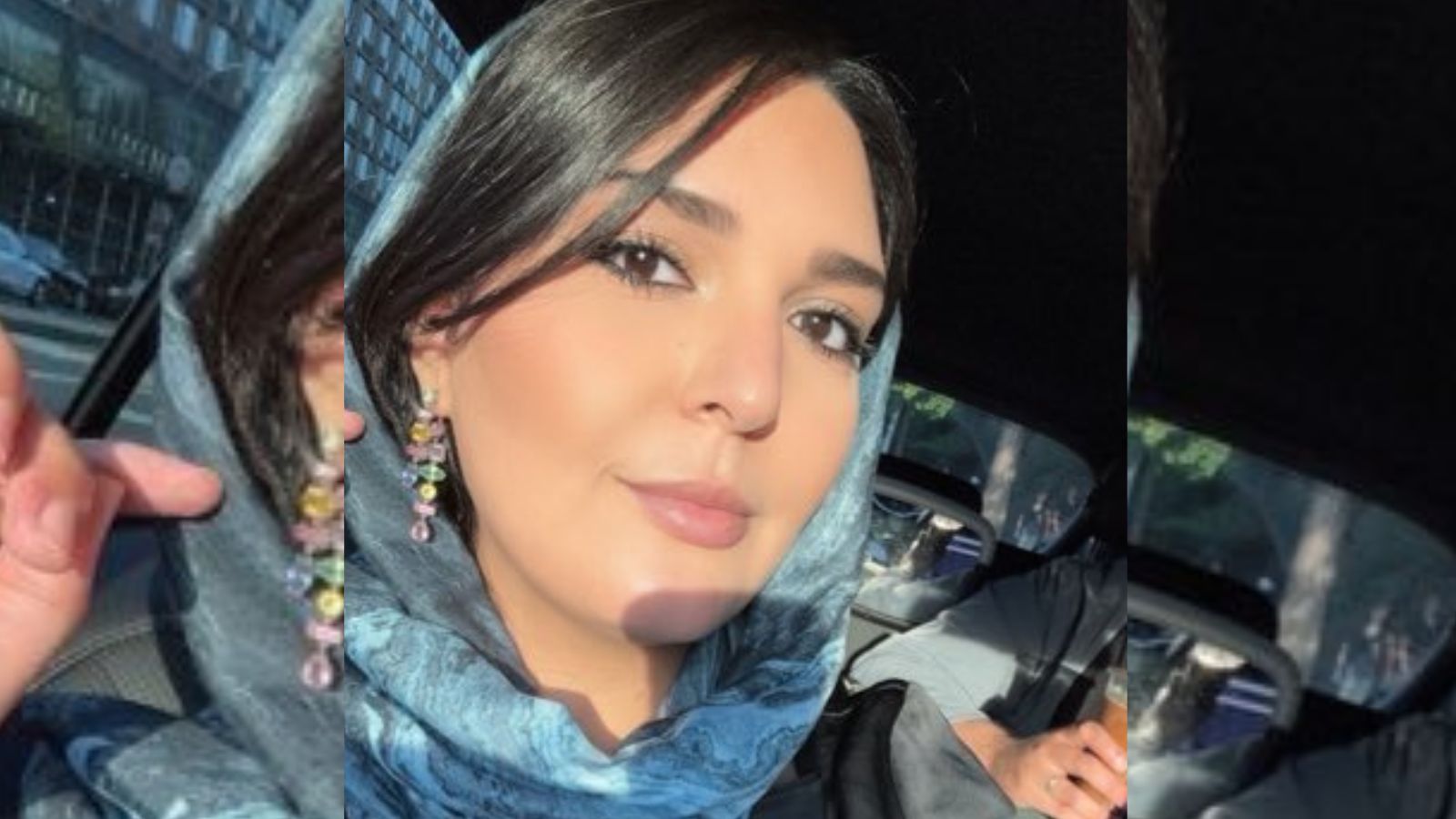
Federal agents recently disrupted a sophisticated assassination plot targeting Nerdeen Kiswani, a prominent Palestinian-American activist and law professor. The FBI intervention confirms that the threat level against high-profile dissenters has moved from online harassment to physical liquidation. This was not a random act of a lone individual fueled by internet rhetoric. It was a calculated, multi-stage conspiracy involving surveillance, tactical planning, and the procurement of weapons.
The target, Kiswani, is the founder of Within Our Lifetime (WOL), a grassroots organization that has become a lightning rod for controversy in New York City and beyond. Her rhetoric has earned her a massive following and a collection of powerful enemies. While the public is used to seeing her at the center of heated protests, the reality behind the scenes has shifted into something far more lethal. The FBI’s move to preempt this attack highlights a terrifying trend where domestic political friction is being met with the kind of violence typically reserved for active war zones.
The Anatomy of a Modern Hit
Law enforcement sources indicate that the plot against Kiswani involved more than just a vague desire to cause harm. Investigators found evidence of "casing"—the systematic observation of a target’s daily routine to identify vulnerabilities. This included tracking her movements between her home, her university office, and public speaking engagements.
The conspirators didn't just want her gone. They wanted to send a message.
Unlike the amateurish threats often seen on social media, this operation showed signs of tradecraft. The suspects utilized encrypted communication channels to discuss logistics, seeking to bypass the standard digital dragnet used by federal agencies. They scouted locations where security was light and exits were numerous. This level of preparation suggests a shift in the profile of modern political extremists. We are no longer dealing solely with "lone wolves" who snap; we are seeing the emergence of organized cells that treat political assassination as a logistical problem to be solved.
The Breakdown of State Protection
A central question haunts this investigation. How did a domestic threat escalate to the point of an "imminent" assassination before the authorities felt compelled to move? For months, Kiswani and her legal team had reported escalating threats, including doxxing and explicit calls for her death. In many instances, these reports were met with bureaucratic indifference or categorized as protected speech.
This delay exposes a massive gap in how the United States handles political violence. When a threat comes from a foreign entity, the response is swift and overwhelming. When the threat is homegrown and directed at a polarizing figure, the waters get muddy. The FBI’s decision to finally step in suggests that the evidence became so undeniable—likely involving the actual purchase of firearms or explosives—that they could no longer afford to wait.
It is a failure of the system that a citizen must reach the literal doorstep of death before the machinery of the state grinds into gear. The "incitement" standard in American law is notoriously high, which often leaves targets in a gray zone where they are legally unprotected until a physical attempt is made.
Foreign Influence and Domestic Proxies
While the FBI has not yet released the full unredacted files on the suspects' affiliations, veteran intelligence analysts are looking closely at the possibility of foreign "clean skin" operations. This is a tactic where foreign intelligence services or well-funded international groups use local residents with no criminal records to carry out hits. It provides plausible deniability.
The geopolitics surrounding the Gaza conflict have turned American streets into a secondary theater of war. Kiswani isn't just an activist in the eyes of her detractors; she is a symbol of a movement that threatens specific international interests. If the investigation reveals that the plotters had links to external funding or guidance, it would represent a massive escalation in how foreign conflicts are litigated on US soil.
Even without a direct foreign link, the radicalization pipeline is working at peak efficiency. The suspects likely moved through an ecosystem of "stochastic terrorism," where constant, high-volume demonization of a target eventually inspires a specific person to take action. The shooters don't need a direct order when the cultural atmosphere provides the permission.
The Weaponization of Doxxing
Before the guns come out, the data is leaked. The plot against Kiswani was paved by years of aggressive doxxing. Her home address, her husband’s workplace, and her travel schedules were frequently circulated in private Telegram groups and on specialized websites designed to "monitor" activists.
This is the new front line. Information is the primary weapon.
By the time the FBI made their arrests, the heavy lifting of intelligence gathering had already been done by "digital volunteers." These are individuals who believe they are doing a public service by stripping away the privacy of political figures they despise. They provide the map, the schedule, and the motivation. The person who pulls the trigger is just the final link in a very long chain of complicity.
Tactical Shifts in Urban Security
The Kiswani case is forcing a total rethink of how high-profile activists and academics manage their personal safety. Standard "bodyguard" protocols are often insufficient against a motivated cell using surveillance tech.
- Pattern Variance: Activists are being advised to never take the same route twice, a tactic usually reserved for diplomats in high-risk zones.
- Digital Hygiene: Total encryption of all personal devices and the removal of all home-delivery associations.
- Counter-Surveillance: Hiring private firms to sweep for GPS trackers on vehicles and "bugs" in workspaces.
The cost of being a public voice in 2026 is becoming prohibitively expensive. Only those with significant funding can afford the shield necessary to survive. This creates a filtered democracy where the only voices that remain are those backed by wealthy institutions or those willing to live in a state of constant, paralyzing fear.
The Legal Aftermath and the Precedent
The prosecution of these suspects will be a landmark case for the Department of Justice. If the government pursues "Terrorism Enhancements" during sentencing, it sends a clear signal that political hits will be treated differently than standard homicides. However, if the charges are kept to basic conspiracy or weapons violations, it confirms to future attackers that the risk-reward ratio is in their favor.
The legal system is currently ill-equipped to handle the nuances of modern radicalization. Our laws are built for a world where people joined groups, signed rosters, and met in basements. Today’s conspirators meet in the comments section and coordinate via disappearing messages.
Wait for the discovery phase of the trial. The documents produced there will likely show a trail of missed warnings and a law enforcement apparatus that is struggling to keep pace with the speed of digital hate.
The FBI foiled this specific plot, but the factory that produced the plotters is still running at full capacity. Kiswani remains in the crosshairs, and she is far from the only one. The transition from shouting at rallies to cleaning a rifle in a suburban garage is happening faster than we care to admit.
Secure your digital footprint and watch your six.