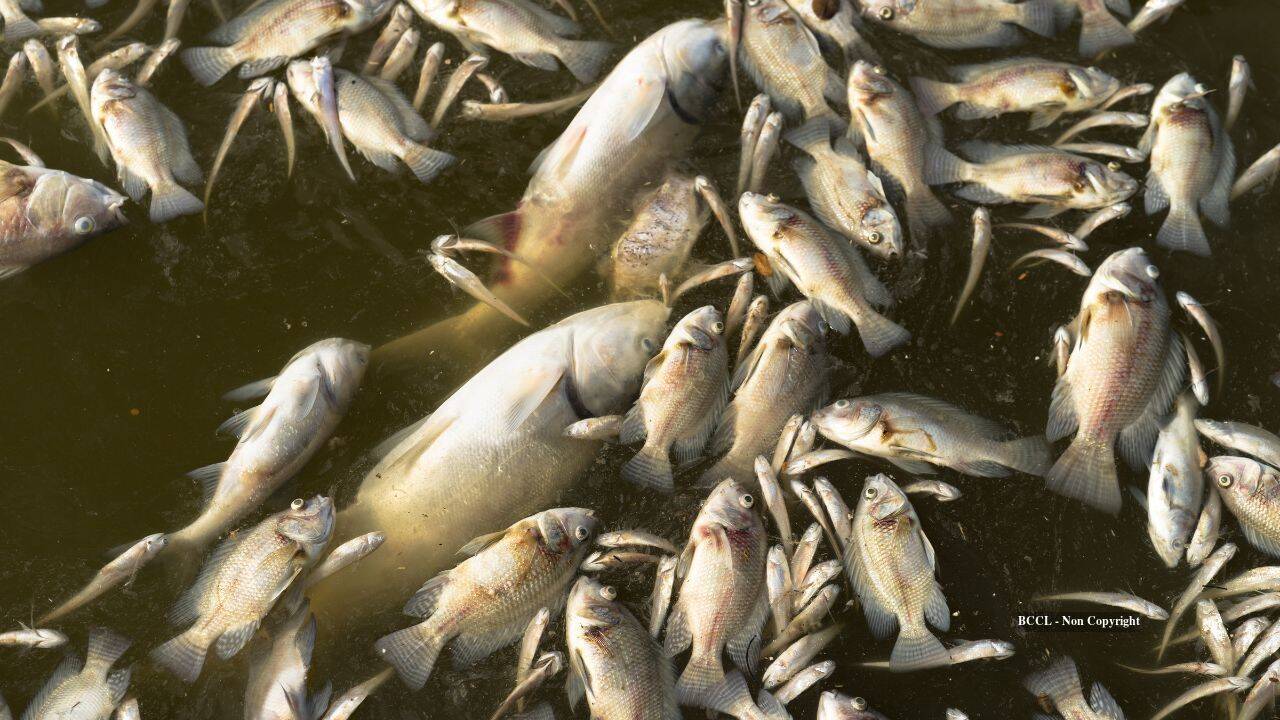
Headlines love a clean villain. When a claim surfaces linking public infrastructure projects to environmental disasters, it spreads faster than wildfire. A rumor took root across Pacific Northwest news feeds suggesting that the Seattle light rail expansion somehow caused the deaths of two thousand fish in Lake Washington five months after a station opening. It makes for an evocative narrative. Heavy transit machinery, subterranean tunneling, and urban expansion colliding with pristine local ecology.
The story collapses under basic scrutiny.
Sound Transit operations do not discharge stormwater directly into Lake Washington from the alignment in question, nor is there a hydrological pathway connecting the operational rail corridors to the specific mortality event cited in the sensationalized reports. Infrastructure critics often conflate municipal storm drain overflows with mass transit construction, creating a phantom link between public investments and natural fluctuations in aquatic life.
Understanding how urban stormwater systems, regional transit development, and local aquatic ecosystems actually interact requires moving past the initial panic. Civil engineering projects in the Puget Sound region operate under some of the strictest environmental oversight in North America. State and federal permits require years of baseline data, continuous monitoring, and redundant fail-safes designed to protect salmonids and resident fish populations.
When thousands of fish wash up or turn up dead in Pacific Northwest waters, the culprit is rarely a high-profile light rail line. More often, the investigation points toward invisible stressors. Sudden thermal spikes in shallow water, localized oxygen depletion events, agricultural runoff miles upstream, or naturally occurring algal blooms choke out aquatic life long before a train ever rolls down the track.
The Anatomy of a Transit Panic
Large-scale civil engineering projects alter urban landscapes permanently. Citizens notice the concrete, the elevated guideways, and the massive boring machines carving through sedimentary layers beneath city streets. That visibility makes transit expansion an easy target for any environmental grievance, real or imagined.
When planners map out light rail extensions, the environmental impact statements routinely span thousands of pages. Every square foot of impervious surface added by a station plaza or a park-and-ride facility must be mitigated through advanced retention vaults and bioswales. These systems capture heavy metals, brake dust, and petroleum residues before they ever reach natural water bodies.
The timeline cited in the original claim also defies basic cause-and-effect logic. A lag time of five months between a station opening and a massive fish mortality event implies a delayed hydrological reaction that simply does not exist in fluid mechanics. If a toxic discharge occurs from a fixed asset, the environmental fallout manifests within hours or days, not months. Water moves too quickly through the Lake Washington watershed for a localized structural leak to remain dormant for nearly half a year before suddenly wiping out aquatic populations.
Investigators tracking real ecological declines in the region look elsewhere. Urban density brings non-point source pollution. Every time it rains after a dry spell, the cumulative rubber wear from millions of automobile tires washes off asphalt surfaces. This debris releases toxic compounds like 6PPD-quinone into stormwater systems, causing immediate mortality in coho salmon and other sensitive species. The light rail system actually aims to reduce this exact category of pollution by pulling single-occupancy vehicles off regional highways, yet it frequently bears the rhetorical blame for the very environmental degradation it was engineered to mitigate.
Following the Regulatory Trail
Accountability in regional infrastructure is heavily bureaucratized. Agencies like the Washington State Department of Transportation, the Washington Department of Fish and Wildlife, and the Department of Ecology maintain overlapping jurisdictions over any construction touching local watersheds.
Construction permits mandate real-time turbidity monitoring. If runoff exceeds strict nephelometric turbidity units during heavy winter storms, work stops immediately. Contractors face severe financial penalties and potential stop-work orders for minor siltation infractions. The idea that a transit authority could quietly discharge enough lethal effluent into a major urban lake to kill thousands of fish without triggering automated alarms and regulatory citations ignores how closely these projects are monitored by both state regulators and litigious environmental advocacy groups.
Public skepticism toward major transit authorities is earned. Cost overruns, delayed station openings, and engineering hurdles frustrate taxpayers who watch billions of dollars vanish into tunneling projects. Those frustrations frequently bleed into environmental debates. When a community loses trust in an agency's competence regarding budgets and scheduling, that distrust easily transfers to claims about environmental stewardship.
Conflating administrative mismanagement with ecological catastrophe creates bad policy and distracts from actual conservation priorities. Fixing Lake Washington requires addressing aging municipal sewer infrastructure, managing stormwater runoff from sprawling suburban developments, and restoring natural shoreline buffers. Chasing phantom transit liabilities wastes investigative energy that should be directed toward real environmental threats.
Real ecological recovery demands rigorous data collection and an unwillingness to accept convenient scapegoats. The next time a dramatic headline connects a public works project to an environmental disaster, look past the emotional hook and examine the flow rate, the drainage maps, and the biological indicators. The truth is rarely found in the loudest accusations.