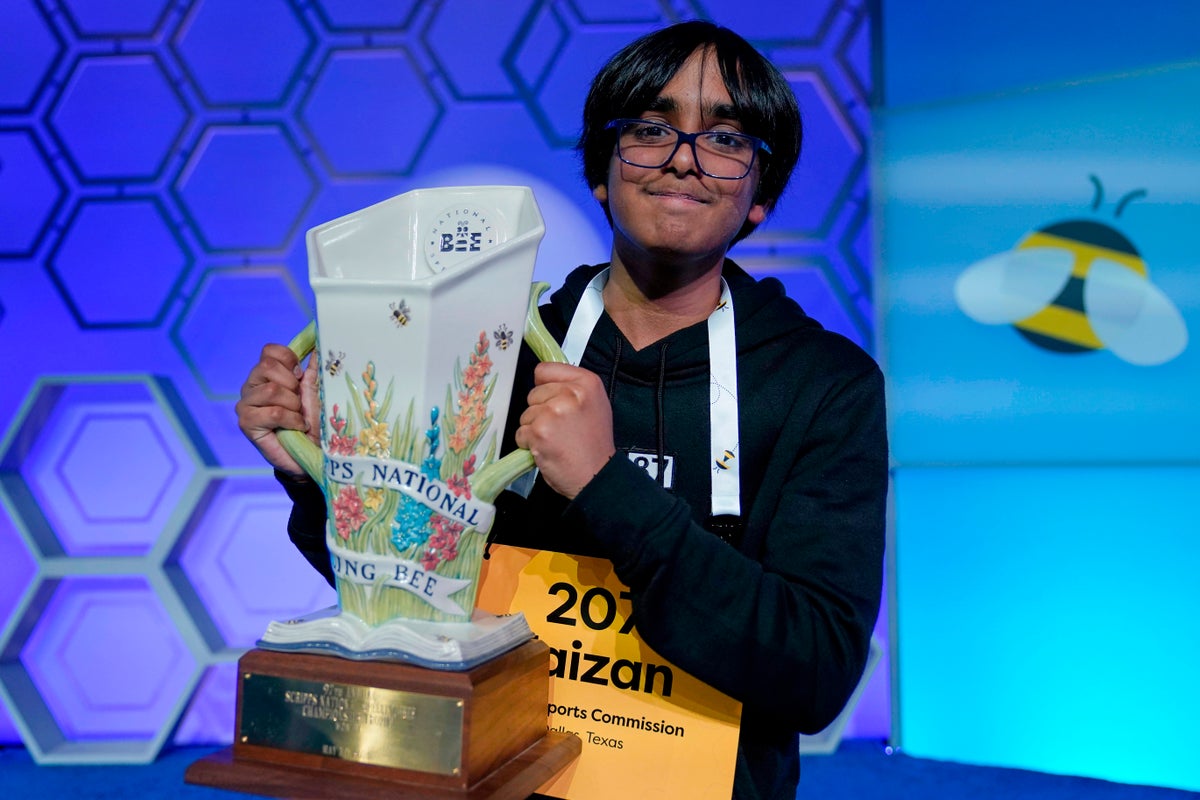
The Scripps National Spelling Bee isn't just a quiet room full of kids in pleated khakis anymore. If you haven't tuned in lately, you’re missing what has essentially become the Super Bowl of linguistic stamina. This year, the competition is leaning even harder into its identity as a high-pressure sport, trading the dusty academic atmosphere for flashy graphics, celebrity energy, and a presentation style that feels more like an NFL Sunday than a classroom quiz.
Scripps just announced that Terry Crews will host the 2026 National Spelling Bee. It's a loud, bold choice. Crews, known for his infectious energy on America’s Got Talent and his history as a professional athlete, represents the final nail in the coffin for the "nerdy" stereotype that used to define this event. He’s there to bring the hype. He’s there to make sure the world treats these kids like the elite competitors they actually are. If you found value in this article, you should check out: this related article.
Why the National Spelling Bee is adopting a sports broadcast style
Critics might argue that adding a celebrity host and ESPN-style "color commentary" cheapens the intellectual nature of the Bee. They’re wrong. For years, the Bee struggled to find a balance between honoring the tradition of spelling and keeping a modern audience engaged for three hours. By adopting a sports-style TV revamp, the organizers are finally acknowledging the reality of the situation. These kids train like Olympians. They study for ten hours a day. They have coaches. They have "stats."
The new format includes "Words to Watch" tickers, live probability meters showing the likelihood of a speller getting a word right, and deep-dive athlete profiles. When you see a 12-year-old sweat over the word psammophile, you don't just want to know how it’s spelled. You want to know their journey. You want to see the instant replay of their facial expressions when they realize they know the root origin. For another angle on this story, see the recent update from Rolling Stone.
Terry Crews and the shift toward mainstream entertainment
Selecting Terry Crews as the face of the 2026 Bee is a strategic move to pull in viewers who wouldn't normally care about etymology. Crews brings a specific brand of "supportive hype man" energy. He understands the pressure of performing under bright lights. His job isn't just to read words—the official pronouncer still handles that—but to bridge the gap between the audience and the intense emotional stakes on stage.
This isn't the first time the Bee has experimented with celebrity involvement, but it’s the most aggressive shift toward "spectacle" we've seen. In previous years, the broadcast felt like a polite documentary. Now, it’s being produced with the same frantic, high-octane energy as a reality competition final. ION and Scripps are betting that the drama of a "sudden death" spell-off is just as compelling as a buzzer-beater shot in basketball.
The technical side of the TV revamp
The 2026 broadcast features several technical upgrades designed to mimic professional sports coverage:
- The Speller Heart Rate Monitor: Selective use of wearable tech to show the audience exactly how fast a competitor's heart is racing during the 45-second clock.
- Root Analysis Graphics: Real-time pop-ups that break down Greek and Latin roots as the speller asks for them, educating the viewer without slowing down the pace.
- The Red Zone: A visual indicator on the stage that highlights when a speller is down to their final 10 seconds of deliberation.
These features don't just look cool. They provide context. Most people watching at home can't spell the words being thrown around, so the "sports" data gives them a way to track who is winning and why.
The rise of the professional spelling coach
As the broadcast becomes more professional, so does the preparation. We’ve moved far beyond kids reading the dictionary in their bedrooms. The modern Spelling Bee circuit is a multi-million dollar industry. Elite coaches like Grace Walters or Scott Remer charge significant hourly rates to prepare students for the Scripps stage.
Many of these coaches are former champions themselves. They use proprietary software to track word frequency and "blind spots" in a student's knowledge. It’s an arms race. The TV revamp reflects this reality. When you see a kid get a word right, you’re seeing the result of a rigorous, data-driven training program. The sports-style coverage finally gives credit to the sheer amount of work happening behind the scenes.
Is the pressure too much for kids
There’s always a conversation about whether we’re putting too much pressure on middle schoolers by treating them like pro athletes. It’s a fair point. Seeing a kid break down in tears on national television is tough. But if you talk to the spellers, most of them love it. They want the recognition. They want the trophy. They want the $50,000 top prize and the respect that comes with being the best in the world at something.
The "sports-style" makeover actually helps protect the kids in a weird way. It frames the loss as a "tough game" rather than a personal intellectual failure. It builds a community. The spellers often stay friends for years, forming a tight-knit circle of people who understand what it’s like to live and breathe the Merriam-Webster Unabridged Dictionary.
How to watch the 2026 National Spelling Bee
The competition is no longer tucked away on a niche cable channel. You can find it streaming across multiple platforms, with the finals traditionally airing on ION and Bounce. If you’re planning to watch, don't expect a quiet evening. Expect pyrotechnics, expect dramatic music, and expect Terry Crews to bring a level of intensity that the spelling world has never seen before.
Get ready to see the "spell-off" format in full effect if the clock runs out. This tie-breaker is the ultimate sports moment—90 seconds of rapid-fire spelling that determines the champion. It's fast, it’s stressful, and it’s incredible television.
If you want to keep up with the brackets, follow the official Scripps social media accounts early in the week. They post the "Power Rankings" of the top 10 spellers based on their performance in the preliminary rounds. Pick a favorite, learn their backstory, and prepare for a level of competition that makes the NBA playoffs look like a walk in the park. The words are getting harder, the lights are getting brighter, and the Bee is officially a primetime powerhouse.