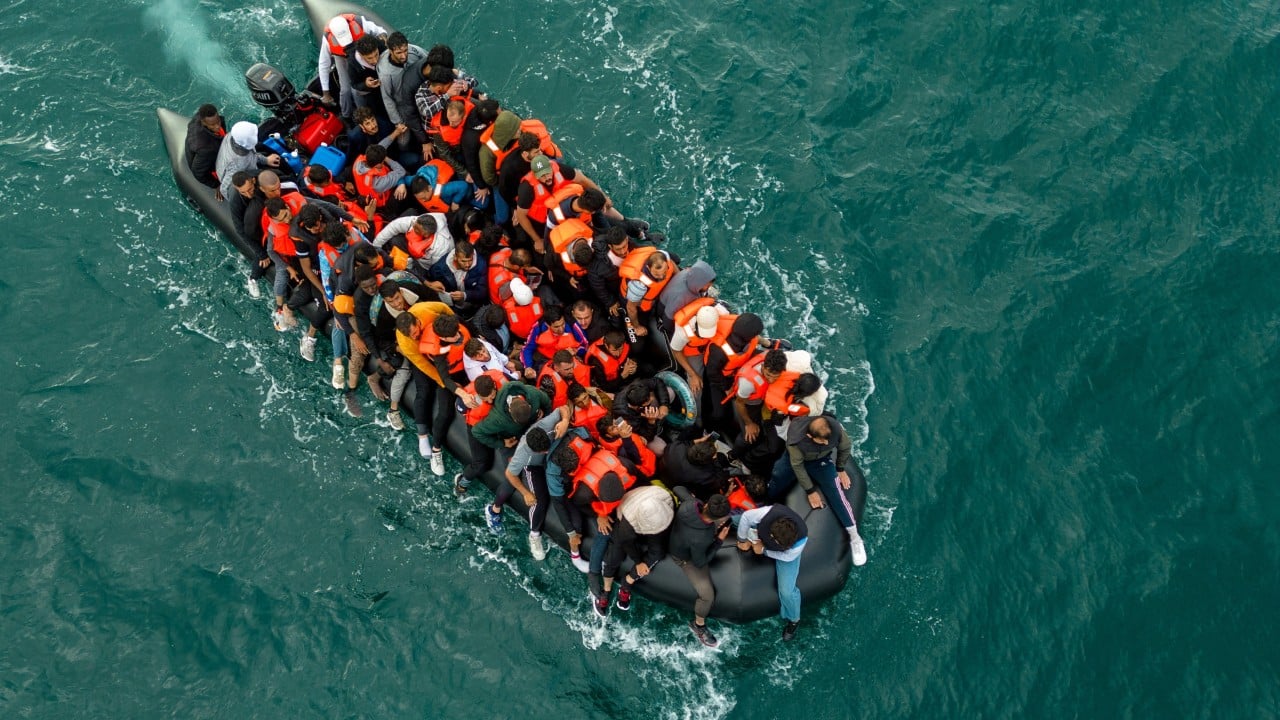
The headlines hit hard. Paris and London quietly walked away from a multi-million-pound agreement designed to halt small boat crossings across the English Channel. If you've been following European immigration policy, you know this isn't just another diplomatic hiccup. It represents the collapse of a very specific strategy that cost taxpayers hundreds of millions while failing to stop the rubber dinghies launching from French beaches.
Let's cut through the official press releases. The UK-France agreement, which saw London pump tens of millions of euros into French policing and coastal surveillance, relied on a transactional model. The deal basically amounted to Britain paying France to patrol its own northern coastline. Critics on both sides called it extortion. Supporters called it practical cooperation. Either way, the numbers never added up. Crossings kept climbing despite boosted beach patrols and high-tech drone surveillance.
When politicians scrap a pact like this, they rarely admit failure. They blame the other side. Whitehall points fingers across the Channel, claiming French authorities aren't detaining enough migrants or intercepting enough boats before they hit international waters. Paris fires back, arguing that British labor markets, informal economies, and lax enforcement make the UK an irresistible destination for desperate people. Both arguments carry weight, but neither solves the core structural reality.
The Economics of the Channel Crossings
You can't understand the breakdown of this bilateral pact without looking at the criminal networks operating behind the scenes. Smuggling syndicates don't care about treaties or diplomatic spats. They treat law enforcement as a minor overhead cost.
A standard engine and a cheap inflatable raft cost human traffickers a fraction of what they charge a desperate passenger. When police seize one boat, the gangs simply pivot to a different stretch of coastline near Calais or Dunkirk. Increasing beach patrols without addressing the supply chain of cheap maritime equipment is like trying to empty an ocean with a teaspoon.
Money changed hands under the scrapped agreement, but enforcement remained uneven. French gendarmes face immense physical and logistical challenges patrolling thousands of miles of rugged northern coastline. Trying to stop a dawn launch on a foggy beach with limited personnel proves nearly impossible. Police forces reported exhaustion, clashes with aggressive smugglers, and burnout long before governments pulled the plug on the funding framework.
Why the Bilateral Model Hit a Wall
Bilateral deals between neighboring states often suffer from shifting political priorities. In the UK, changing prime ministers and home secretaries meant immigration strategy swung wildly every twelve to twenty-four months. A policy championed by one administration gets quietly abandoned or aggressively rebranded by the next.
France deals with its own intense domestic pressures. Local communities along the northern coast bear the brunt of the camp setups, police deployments, and social friction. Mayors in Calais and surrounding towns have spent years demanding structural solutions rather than temporary cash injections from across the Channel. When local fatigue meets national budget constraints, international agreements start to fray.
Trust erodes quickly when neither side sees results. British voters wanted empty beaches. French officials wanted less chaos in their northern towns. When neither goal materialized, the political incentive to maintain the partnership evaporated.
What Happens Next on the Water
Scrapping the framework forces both capitals back to the drawing board. You'll hear plenty of tough talk about new laws, electronic surveillance, and stricter border checks. But physical geography remains stubborn. The English Channel is one of the busiest shipping lanes in the world, stretching over twenty miles at its narrowest point.
Stopping small boats at sea involves complex maritime law and safety obligations. International maritime conventions require vessels to rescue people in distress. Smugglers know this rule and exploit it ruthlessly, often sabotaging their own unseaworthy vessels once they reach international waters to force a rescue by the Coast Guard.
Policymakers face a brutal choice. They can double down on even harsher deterrents inside their borders, or they can completely rethink how asylum claims are processed before people ever reach the northern French coast. Neither path is politically painless.
The Human Cost Behind the Politics
Behind every policy debate and diplomatic standoff lie human beings caught in a grinding administrative machine. People fleeing conflict zones in East Africa, the Middle East, and parts of South Asia often spend years in limbo before even reaching Europe. They invest their life savings into the hands of ruthless operators who promise a safe journey to family members waiting across the water.
When governments break off cooperation deals, the immediate impact falls on the ground level. Smugglers raise their prices to offset increased risk, packing more people into more dangerous vessels. The risk of tragedy in the freezing water goes up.
Fixing this crisis requires looking past short-term election cycles and soundbites. Real solutions demand cooperation that goes beyond cash-for-patrols arrangements. Until leaders confront the root causes pushing people onto those beaches and the economic magnets drawing them north, new acronyms and replacement treaties will achieve the exact same result as the last one.