School is supposed to be a safe place. That's the baseline assumption every parent makes when dropping their kids off in the morning. But tragedies shatter that illusion in seconds. When news breaks about an elementary school shooting in Oregon, the collective shock hits deep. Lives change forever in an instant.
Let's look at the harsh reality. Violence in educational spaces isn't a random anomaly anymore; it's a persistent crisis. Communities are left picking up the pieces while politicians debate solutions that never seem to arrive fast enough.
The Immediate Aftermath of Tragedy
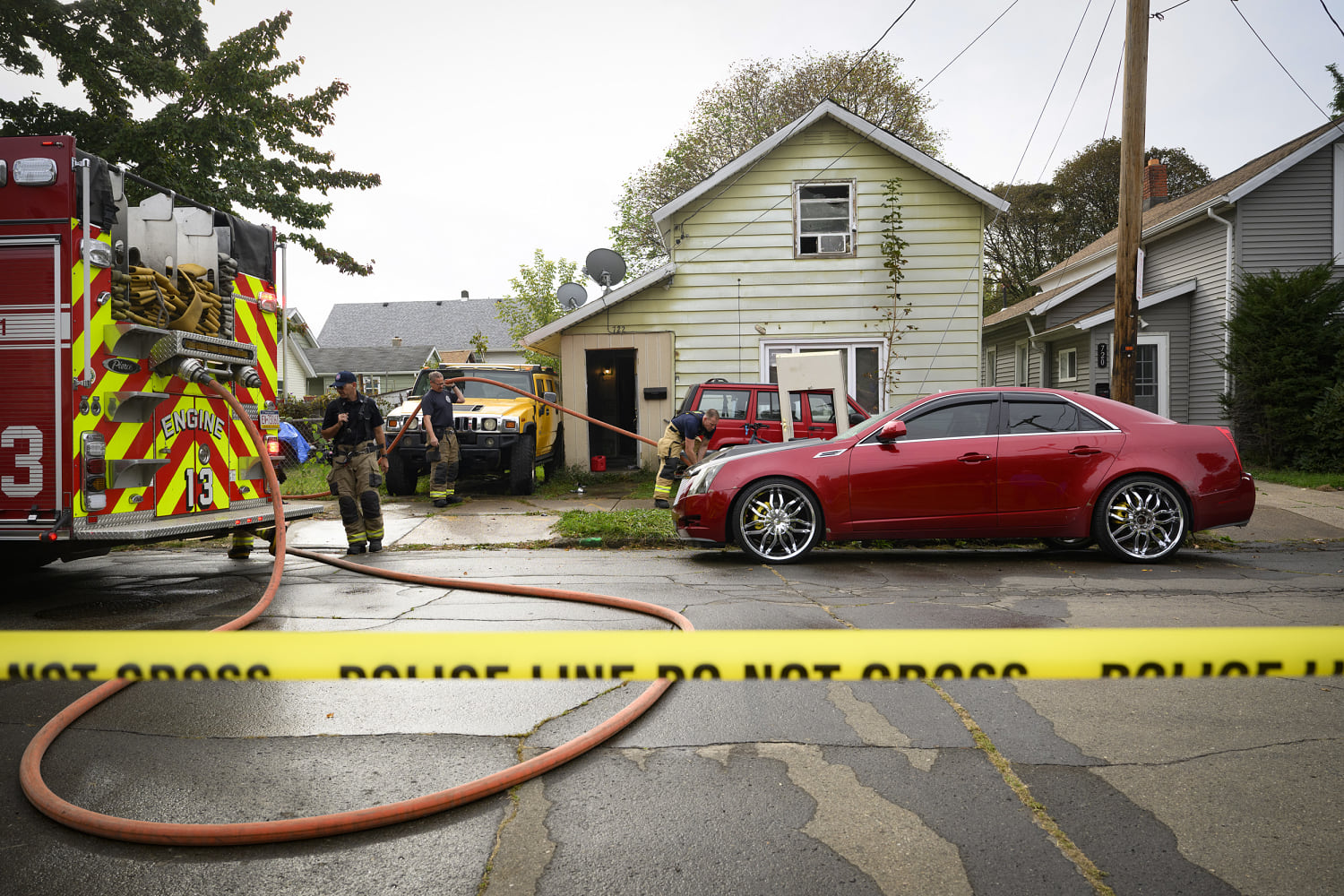
When multiple lives are lost—including young children and staff members—the shockwave spreads instantly. Local emergency services flood the scene. Hospitals go on high alert. Parents rush toward the school barricades with sheer panic in their eyes.
This isn't just a local news story. It's a national trauma.
- First responders face unimaginable horrors.
- Teachers make split-second decisions to protect students.
- Families wait hours for reunification news that might break their hearts.
The chaos of those first few hours demands absolute precision from reporters and officials. Misinformation spreads fast on social media. Rumors outpace facts. That's why verifying details matters so much before drawing conclusions.
Why School Security Remains a Fractured System
Security measures vary wildly across the country. Some districts invest heavily in metal detectors, secure entry points, and resource officers. Others operate with outdated doors that don't even lock properly from the inside.
Money plays a huge role. Wealthy suburban districts can afford advanced security tech. Underfunded rural or urban schools often scrape by with bare minimum resources. Safety shouldn't depend on zip codes. Yet, it frequently does.
Hardening schools creates a prison-like atmosphere. Kids shouldn't feel like they're walking into a fortress just to learn math and reading. Balancing security with a welcoming learning environment remains a massive challenge for administrators.
The Mental Health Crisis Nobody Wants to Address
Guns are the instrument, but broken minds pull the triggers. We keep dodging the uncomfortable conversations surrounding mental health support for youth. School counselors are overwhelmed. Student-to-counselor ratios are dangerously high in most states.
Signs of severe distress often get missed or ignored until it's too late. Bullied kids, isolated teens, and individuals dealing with severe trauma slip through the cracks of a fractured healthcare system.
If we want to stop these shootings, throwing more cops at schools isn't enough. We need aggressive early intervention programs. Teachers need better training to spot warning signs. Mental health professionals need to be embedded in every district, not treated as an optional luxury.
Where Communities Go From Here
Mourning is necessary, but grief alone doesn't fix broken policies. Communities touched by violence face a long, painful road to recovery. Memorials go up. Candles burn out. Eventually, the TV cameras leave.
The real work happens long after the spotlight fades. It happens in city council meetings, school board elections, and legislative halls. Real change requires sustained pressure from citizens who refuse to accept violence as normal.
Demand transparency from local leaders about your kids' school safety plans. Push for sensible investments in mental health infrastructure. Pay attention to the policies being debated in your state legislature.
Safety isn't guaranteed by hope. It requires active vigilance, honest conversations, and a willingness to fund solutions that actually protect the next generation.