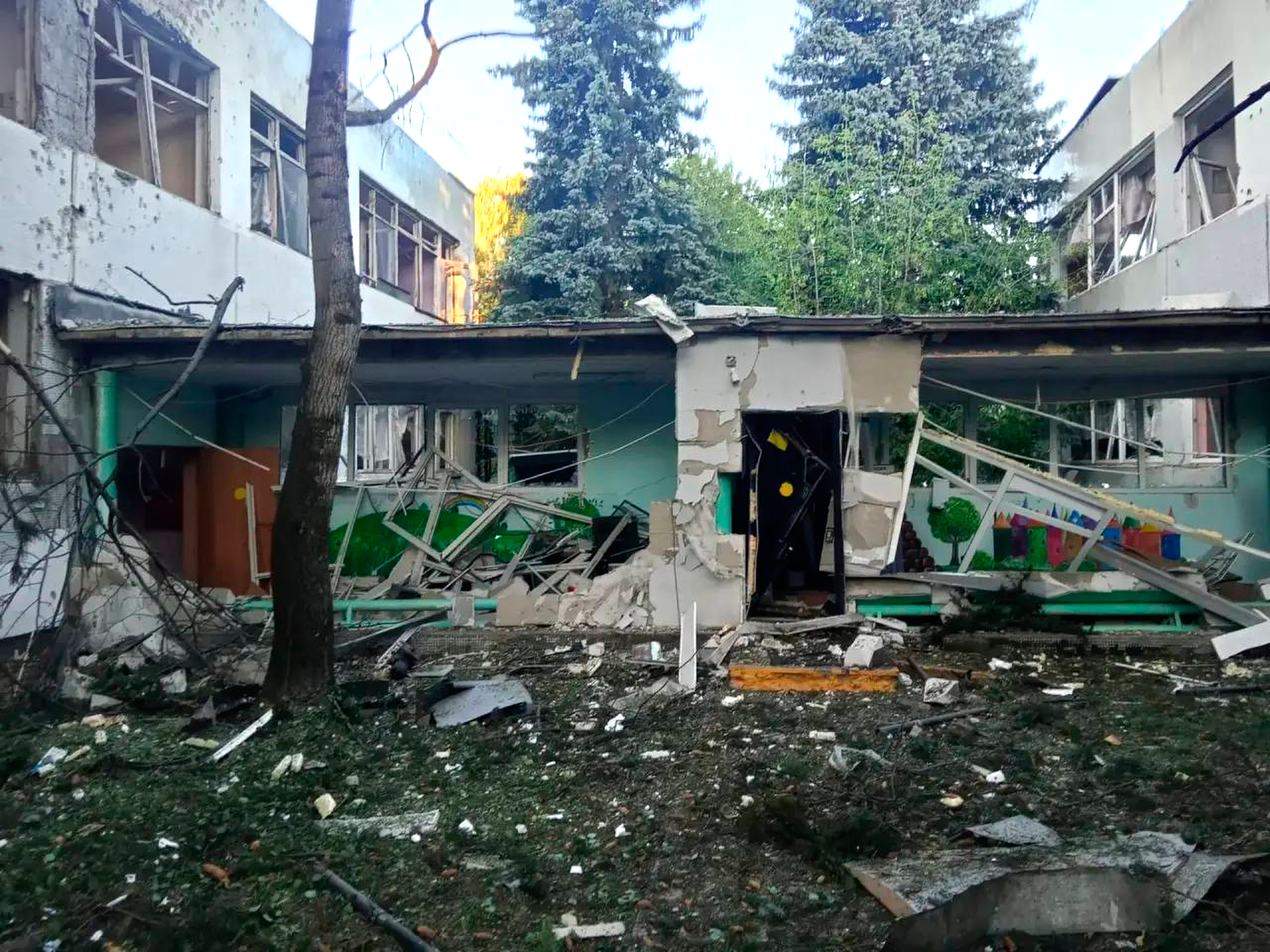
A massive coordinated Ukrainian drone strike across multiple Russian regions has left eight people dead and more than 60 wounded, marking a sharp escalation in Kyiv’s asymmetric air campaign. This specific operation represents a calculated shift from symbolic border harassment to high-consequence infrastructure disruption. While Russian air defense systems engaged targets across several oblasts, the sheer volume of the wave overwhelmed local defenses, striking civilian and industrial nodes alike. The strike underscores a grim reality: Ukraine has successfully industrialized its long-range strike capabilities, altering the strategic calculus for Moscow.
For months, the narrative surrounding the air war focused heavily on Russia’s relentless missile bombardment of Ukrainian cities. That dynamic is now fundamentally broken. Kyiv is no longer content to play defense.
The Mechanics of Overwhelming Russian Air Defenses
To understand how dozens of drones penetrated deeply into sovereign Russian airspace, one must look at the math of modern air defense. Russia possesses some of the most sophisticated anti-aircraft systems in the world, including the S-400 and Pantsir complexes. However, these systems are designed to counter high-velocity missiles and military aircraft, not swarms of low-flying, low-radar-cross-section composite drones.
Ukrainian engineers have modified cheap, commercial technology into effective weapons of war. They fly low, utilizing terrain masking to avoid detection until it is too late. By launching from multiple vectors simultaneously, Kyiv forces Russian commanders to make agonizing choices about where to allocate their radar resources and interceptor missiles. A million-dollar interceptor missile used to down a twenty-thousand-dollar drone is a losing economic proposition for Moscow over the long term.
Furthermore, Western electronic warfare intelligence has quietly helped Ukraine map out blind spots in Russia’s radar coverage. The vastness of the Russian landmass, once its greatest defensive asset, has become a vulnerability. There are simply too many square miles to protect every electrical substation, oil refinery, and military depot.
Economic Warfare Masked as Military Retaliation
While the human toll dominates the immediate headlines, the long-term target of these operations is invariably economic. Ukraine is systematically targeting Russia's industrial heartland. By hitting energy infrastructure, Kyiv inflicts a cascading series of problems on the Kremlin’s war machine.
Consider the operational impact of a single struck refinery or power hub.
- Refinery Downtime: Repairing sophisticated distillation columns requires specialized components, many of which are under Western sanctions, stalling domestic fuel production.
- Logistical Chokepoints: Rail networks powering military logistics rely heavily on stable electrical grids; localized blackouts halt troop and ammunition movements.
- Resource Diversion: Moscow is forced to pull front-line air defense units back from the Donbas to protect domestic factories, thinning their coverage where it matters most.
This is a war of attrition where the battlefield is the supply chain. If Ukraine can reliably degrade Russia's ability to refine oil and generate power, the economic cost of sustaining the invasion rises exponentially.
The Gray Zone of Civilian Casualties
The reported deaths and injuries within Russian borders present a severe diplomatic challenge for Ukraine. Kyiv maintains that it only targets military and dual-use industrial sites. Yet, when drones are shot down by electronic jamming or anti-aircraft fire, they inevitably crash into residential areas, causing civilian casualties.
This collateral damage tests the limits of Western backing. Washington and European capitals have long expressed anxiety over the conflict spilling directly into Russia proper, fearing an unpredictable escalation or the deployment of tactical nuclear weapons. Kyiv is betting that the strategic necessity of degrading Russian infrastructure outweighs the risk of diplomatic pushback.
The strategy carries immense risk. It risks unifying the Russian public behind a war effort that previously felt distant to many urban residents. When war comes to your doorstep, anger often replaces apathy.
The Domestic Politics of Long Range Strikes
Inside Ukraine, these strikes serve a vital psychological purpose. The domestic population has endured years of blackouts, missile sirens, and economic devastation. Seeing the war brought home to the aggressor boosts morale at a time when front-line territorial gains are slow and costly.
President Volodymyr Zelenskyy has repeatedly argued that the only way to force Moscow to the negotiating table is to make the conflict unsustainable for the average Russian citizen. As long as the war remained confined to Ukrainian soil, the Kremlin could maintain a facade of normalcy in Moscow and St. Petersburg. That facade is crumbling.
The international community now watches closely to see how Russia responds. Retaliatory missile strikes on Kyiv and Kharkiv are a certainty, but the structural damage to Russia's domestic security narrative cannot be easily repaired by a counter-barrage. Ukraine has proven it can strike deep, strike hard, and do so repeatedly. The air war is no longer a one-way street, and the strategic map of Eastern Europe has been permanently redrawn.