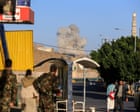
The skies over Sanaa lit up with massive explosions, and nobody should act surprised. When the Saudi-led coalition targeted strategic oil infrastructure on the outskirts of the Houthi-controlled Yemeni capital, it marked a violent turning point in an already brutal conflict. Months of escalating cross-border drone and missile attacks left Riyadh with very few diplomatic options.
If you think this is just another localized skirmish in a forgotten war, you're missing the bigger picture. This escalation hits global energy arteries and proves that the fragile regional containment strategies have completely broken down.
Breaking Down the Sanaa Energy Site Strikes
The military operation focused heavily on critical fuel storage and transit hubs, specifically hitting locations like the al-Sabaha central station linked to the Yemen Petroleum Company. Witnesses reported massive plumes of black smoke billowing over the western hills of Sanaa.
You have to look at the sequence of events to understand the timing. Days before the jets rolled in, Houthi military spokespeople warned airlines and international businesses to steer clear of Saudi airports and energy installations. They followed up those threats by launching ballistic projectiles and drones toward Riyadh and vital infrastructure zones.
The Saudi-led coalition intercepted several of these incoming threats, but falling debris and direct near-misses forced a harsh reaction. Striking oil depots right inside the enemy's political stronghold isn't just about destroying fuel—it's a brutal psychological message. Riyadh wants to shatter the illusion that Houthi leadership can fire missiles across the border with absolute impunity.
The Regional Fallout and Energy Security Fears
Energy markets hate uncertainty. Whenever strategic petroleum targets in the Middle East take direct hits, traders panic. Even though local officials in Sanaa claimed the targeted storage tanks were mostly empty prior to impact, the symbolic damage is already done.
Consider what happens next in the Red Sea shipping lanes. The Bab el-Mandeb strait remains one of the most vital maritime chokepoints on Earth. If the Houthis decide to choke off commercial oil tankers and cargo vessels in retaliation for these airstrikes, global supply chains will feel the shock immediately.
Diplomats are scrambling behind closed doors. Regional powers are urging extreme restraint, terrified that a full-scale air campaign will torch any remaining chances for a lasting political settlement in Yemen. Yet neither side is backing down. The Houthis continue to pledge a "painful response" inside Saudi territory, while Riyadh insists its national security lines have been crossed.
Keep a close eye on transit insurance rates for the Red Sea and watch how quickly international diplomatic pressure mounts on the coalition to halt further bombings before energy infrastructure becomes entirely untenable.
Why MBS Jets Rain Hellfire on Sanaa and Hodeidah
This video provides an on-the-ground look at the recent military escalation, showing the scale of the airstrikes rocking Sanaa and Hodeidah as the conflict intensifies.